Music, for many, is an ephemeral yet potent force that transcends mere sound. It stirs emotions, evokes memories, and most intriguingly, captivates individuals with autism in unique and profound ways. Among the myriad therapeutic approaches available, music therapy stands out as a particularly compelling avenue for supporting developmental progress in individuals on the autism spectrum. This fascination with rhythm, melody, and harmony is not just incidental or superficial—it taps into complex neurological and psychological substrates that hold promise for meaningful growth and connection.
The Enigmatic Allure of Music in Autism
One commonly observed phenomenon within the autism community is a deep-rooted affinity for music. Whether it is an intense focus on specific instruments, an ability to memorize complex songs, or spontaneous musical improvisation, many individuals with autism demonstrate an acute sensitivity and responsiveness to musical stimuli. This phenomenon is not merely anecdotal; it hints at a confluence of sensory processing, neural connectivity, and emotional resonance that music uniquely engenders.
The reasons behind this fascination are multifaceted. Neuroimaging studies suggest that music engages widespread neural networks, including those associated with emotion, memory, and language. For individuals with autism, who might experience challenges in communication and social interaction, music provides an alternative pathway. It bypasses typical language processing modalities, thereby allowing expression and engagement in a nonverbal, yet profoundly communicative manner.
Music Therapy: A Multisensory Conduit for Development
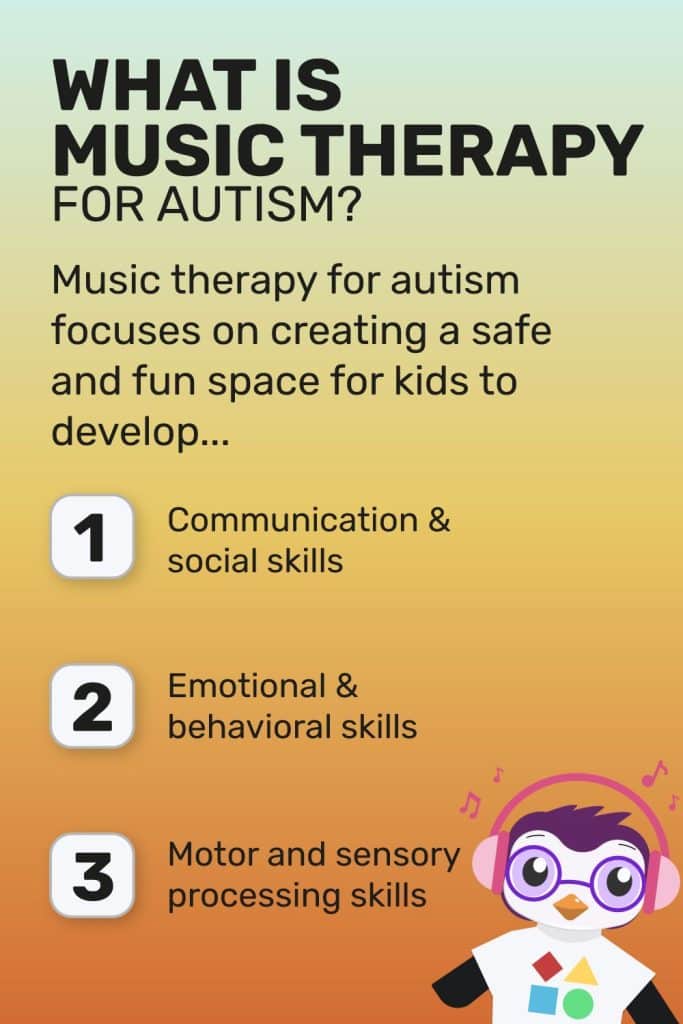
Music therapy harnesses the inherent allure of music to facilitate therapeutic goals tailored to the needs of individuals with autism. Unlike passive listening, this therapeutic discipline is active, intentional, and adaptive. Through guided participation—be it singing, playing an instrument, or rhythmic movement—participants experience a multisensory integration that stimulates auditory, motor, and cognitive domains simultaneously.
This synthesis is crucial. It encourages neuroplasticity, the brain’s ability to reorganize and form new neural connections. Music therapy thereby acts as a catalyst, enhancing skills that are often impaired in autism, such as attention regulation, sensory integration, and emotional processing. Furthermore, the repetitive and predictable nature of musical patterns provides a structured framework where individuals can practice communication and social cues with reduced anxiety.

Emotional and Social Engagement Through Musical Interaction
One of the profound impacts of music therapy lies in its ability to foster emotional connection and social reciprocity. Autism frequently presents barriers to interpreting facial expressions, understanding social norms, and engaging in reciprocal communication. Music, however, provides a nonverbal, emotionally rich context wherein these barriers are softened.
Participating in shared musical experiences facilitates joint attention—the foundational skill necessary for effective social interaction. When a therapist and participant synchronize rhythms or melodies, it creates a dynamic of turn-taking and mutual responsiveness. This musical dialogue can translate into improved conversational abilities and increased comfort in social settings. Over time, music therapy nurtures empathy and emotional awareness, both critical for meaningful relationships.
Enhancing Cognitive and Motor Skills Through Rhythm and Melody
Beyond emotional and social benefits, music therapy offers targeted cognitive and motor skill enhancements. The brain’s capacity to predict and anticipate rhythmic patterns can improve executive functioning, such as organizing, sequencing, and planning. These skills are fundamental in everyday tasks and academic learning.
Motor development, often slowed or atypical in autism, gains momentum through rhythmic entrainment—where movements become synchronized with external beats. This process supports coordination and fine motor control, critical for activities ranging from writing to self-care. Musical instruments serve as tangible tools that demand precise timing, grip, and hand-eye coordination, transforming therapy into an engaging and constructive exercise.

Language Development and Communication Facilitation
Language acquisition is often a formidable challenge for individuals on the autism spectrum. Music therapy offers a unique scaffold, leveraging melody and rhythm to enhance speech and language skills. The rhythmic elements of music support the development of phonological awareness—the ability to recognize and manipulate sounds—which is a precursor to reading and conversation.
Moreover, the predictable structure of songs and chants aids memory recall and sequencing of words. Singing can encourage articulation and expressive language in a low-pressure setting, mitigating the frustrations often experienced with verbal communication. Music’s mnemonic power thus becomes a vehicle for breaking through communication barriers, fostering both expressive and receptive language competencies.
Individualized Approaches: Tailoring Therapy to Unique Needs
Each person with autism presents a distinct constellation of strengths and challenges. Music therapy is inherently flexible, capable of being tailored to individual profiles. Whether the focus is sensory regulation, motor skills, language development, or emotional expression, interventions can be customized to meet precise therapeutic objectives.
Therapists utilize a range of approaches—from improvisational techniques to structured song-learning—selecting strategies that resonate most deeply with the individual. This bespoke quality maximizes engagement and promotes sustained progress, ensuring that therapy remains relevant, motivating, and effective.

Conclusion: Music as a Bridge to Potential
The persistent fascination with music observed in individuals with autism is no mere coincidence or trivial preference. It reflects an intrinsic, neurological, and emotional receptiveness that music therapy adeptly leverages to foster development across multiple domains. By embracing music as a medium of connection, communication, and cognitive stimulation, therapies transcend traditional limitations, opening pathways to meaningful growth.
As research and practice continue to evolve, the symbiotic relationship between music and the autistic experience reveals itself to be not only therapeutic but transformational. In the gentle cadence of melody and rhythm lies a powerful instrument—a bridge from isolation toward engagement, from silence toward voice, and from challenge toward realized potential.