In the intricate tapestry of human communication, visual supports emerge as a compelling thread, particularly within the realm of autism. Those who observe children and adults on the autism spectrum often note an almost magnetic attraction to images, symbols, and structured visual cues. This predilection, far from being a mere quirk, unfolds into a sophisticated mode of understanding and interaction that transcends verbal limitations. Exploring this phenomenon reveals not only the practical utility of visual supports but also their profound psychological and neurological underpinnings.
The Intrinsic Allure of Visual Supports in Autism
It is a common observation that individuals with autism are drawn to visual stimuli more intensely than to spoken language or abstract concepts. This affinity can be attributed to variations in neurological processing. Many on the spectrum experience challenges with auditory processing and language comprehension, making traditional communication modalities less accessible. Visual supports, therefore, act as bridges—conduits through which information is converted into concrete, unambiguous representations.
The fascination with visuals is not solely a functional adaptation. It also echoes deeper cognitive styles characterized by a preference for predictability, routine, and clarity. Structured visual aids such as schedules, icons, and instructional cues offer a semblance of order in a world that can often seem overwhelming or chaotic. The predictability inherent in visual systems reduces anxiety and offers a sense of control, which is essential in emotional regulation.

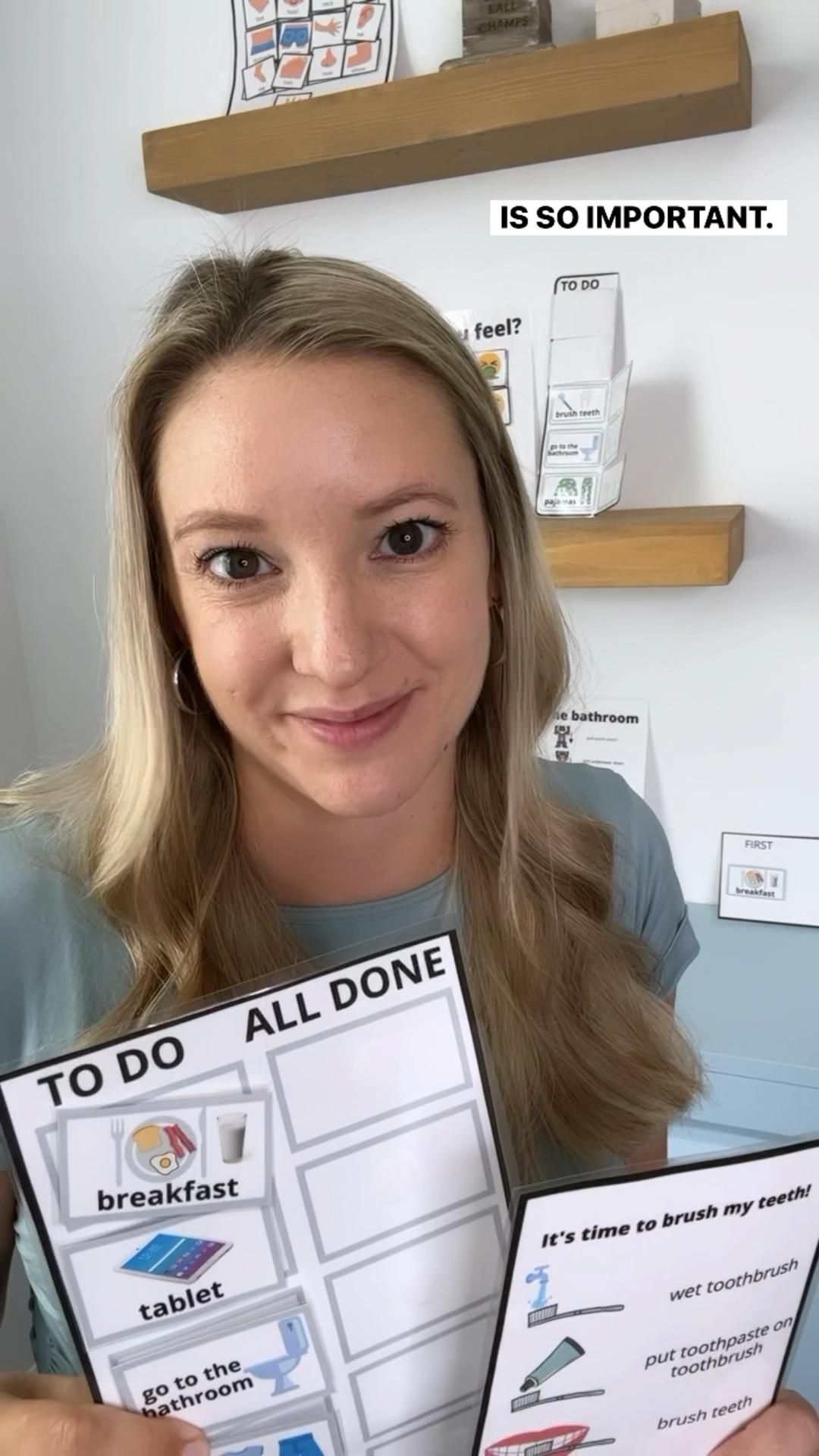
Structured visual schedules provide predictability and enhance communication.
Visual Supports as Catalysts for Communication
Communication difficulties are central challenges for many individuals with autism. The traditional reliance on verbal language can present barriers that visual supports help to dismantle. These tools serve as a visual lexicon, promoting expressive and receptive communication. Whether it is a picture exchange system, social stories, or graphic organizers, visual supports translate abstract communication concepts into accessible and concrete forms.
For instance, a visual schedule depicts the sequence of daily activities through pictures or symbols, allowing the individual to anticipate forthcoming events. This anticipation diminishes uncertainty and fosters independence. Similarly, social narratives illustrated with visuals elucidate social nuances and emotional responses that might otherwise elude understanding.

Applying visual supports in classroom settings optimizes learning and social engagement.
Neuropsychological Foundations Behind Visual Engagement
Delving deeper, one discovers that the neurological architecture in autism is uniquely attuned to visual information processing. Research suggests enhanced activity in regions responsible for visual perception, such as the occipital lobe, compared to language-centric areas like Broca’s and Wernicke’s regions. This neurodiversity manifests as a proclivity for interpreting detailed visual patterns over linguistic abstraction.
This heightened visual acuity is a double-edged sword: while it facilitates exceptional pattern recognition and memory for visual details, it may also contribute to difficulties in social communication where verbal subtleties and auditory cues predominate. Consequently, visual supports act not only as helpful tools but as essential adaptations that synchronize with the neurocognitive makeup of individuals on the spectrum.
Implementation Strategies for Effective Visual Supports
The efficacy of visual supports hinges on their thoughtful integration into the daily environments of individuals with autism. Customization is paramount. Visual tools must be tailored to the individual’s cognitive level, interests, and unique communication needs. Overloading with excessive detail can be counterproductive, as can using generic, ambiguous symbols.
Best practices recommend a collaborative approach involving caregivers, educators, and therapists. Consistency across contexts reinforces learning and promotes generalization of skills. Technology now offers versatile platforms for visual supports, from laminated cards to dynamic tablet applications, each serving to enhance engagement.
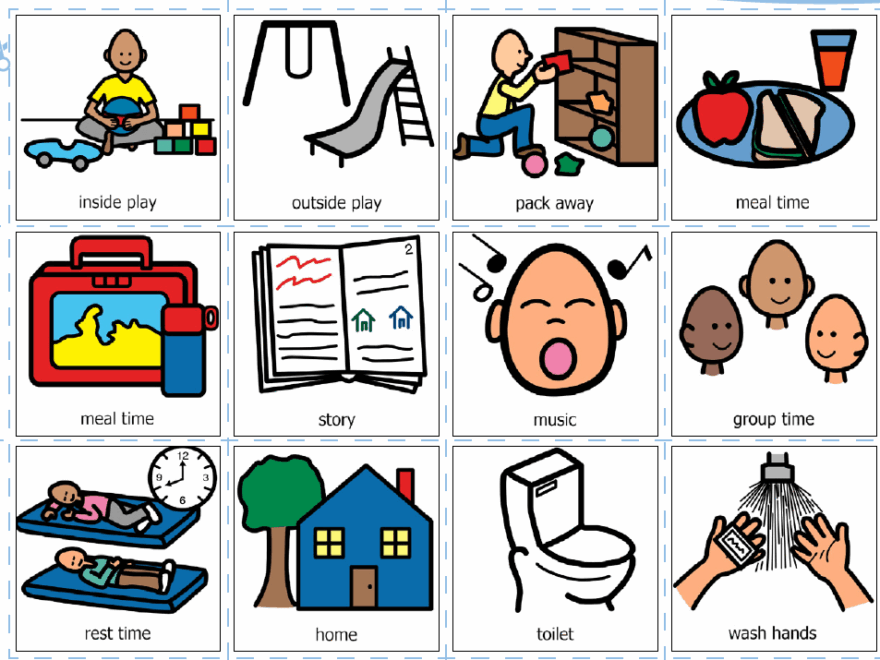
Resourceful visual aids empower communication and learning.
Beyond Communication: Visual Supports and Emotional Well-being
Visual supports extend their influence beyond mere information conveyance. They are integral to emotional regulation and behavioral management. By offering clarity and predictability, visual tools mitigate the stress of unexpected changes or complex social interactions. For many, this subtle scaffold reduces frustration, thereby decreasing the occurrence of challenging behaviors.
Moreover, visual communication fosters a sense of autonomy. When individuals understand what to expect and how to express themselves, they gain greater control over their environment. This empowerment is not trivial; it nurtures confidence and supports social inclusion, enhancing quality of life.
Conclusion: The Transformational Power of Visual Supports
Visual supports for autism do more than bridge communication gaps; they illuminate a pathway towards greater understanding, independence, and connection. Their magnetic allure is rooted in deep neurocognitive preferences and the universal human desire for clarity in communication. Through the thoughtful design and implementation of visual tools, the vibrant potential of individuals on the spectrum is unlocked, allowing them to engage with the world on their terms.
In embracing visual supports, society moves closer to fostering environments where neurodiversity is recognized and celebrated. This transformation invites us to appreciate the profound ways in which images and symbols transcend language barriers, revealing the nuanced, rich inner worlds of those we seek to understand and support.