Valentine’s Day often unfurls like a grand symphony, a cacophony of hearts, roses, and whispered affections synchronizing in a shared social dance. Yet, for individuals on the autism spectrum, this orchestrated celebration can resemble a labyrinthine puzzle, where every gesture and expectation is laden with subtle intricacies that elude straightforward interpretation. Navigating these complex social tapestries demands understanding, empathy, and strategies that honor the distinctive ways autistic individuals perceive and participate in the social world. This exploration delves into the nuances of Valentine’s Day through the prism of autism, unraveling the layers of social expectation and revealing the unique allure embedded in diverse expressions of connection.
The Constellation of Social Expectations: Understanding the Landscape
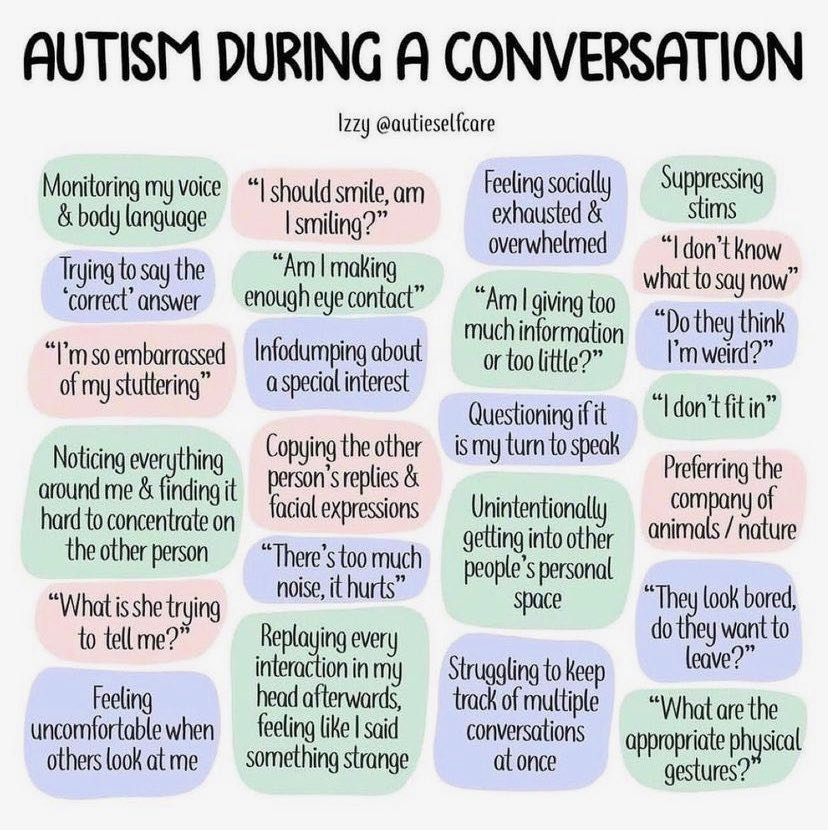
Valentine’s Day is steeped in an intricate constellation of social cues and conventions. From exchanging valentines to participating in communal festivities, it often demands a tacit mastery of unwritten rules — the kind that can feel like invisible currents beneath the surface of conversation and behavior. For many on the autism spectrum, these social codes do not come naturally; they resemble a foreign language, one defined not by explicit instruction but by insinuation and assumption. The pressure to conform to these expectations can provoke anxiety or alienation, as the very core of the holiday—expressing affection—becomes enshrouded in ambiguity rather than clarity.
Recognizing this discordance is essential. Autistic individuals may process social interactions differently, valuing directness over nuance and preferring authenticity to performative gestures. When society’s script for Valentine’s Day is built on symbolic acts like gifting flowers or reciting poetry, it risks eclipsing more genuine, personalized expressions of connection that resonate deeply with the autistic experience.
Decoding Emotional Expression: Beyond the Surface
Love and connection on Valentine’s Day often manifest in outward demonstrations — those red envelopes, heart-shaped confections, and public declarations. However, autistic people may convey affection through subtler or alternative means, challenging normative expectations. Their expressions might be quieter, rooted in shared interests, acts of service, or steadfast presence rather than grand romantic gestures.
Understanding these manifestations requires a paradigm shift. Rather than interpreting silence or avoidance as disengagement, it may instead indicate thoughtful sensory processing or social fatigue. Embracing diverse emotional languages enriches the holiday beyond stereotypical portrayals and acknowledges the profound ways autistic individuals cultivate intimacy and care.
Sensory Landscapes: Navigating Overwhelm in Celebrations
Valentine’s Day gatherings can inundate the senses. Crowds, bright decorations, and loud music often create an environment fraught with sensory overload for those on the autism spectrum. The very atmosphere designed to foster joy and togetherness can paradoxically trigger distress or withdrawal.
Creating sensory-friendly experiences is pivotal. Dimming lights, reducing noise levels, and allowing safe spaces for retreat can transform Valentine’s Day from a daunting maze into an accessible, inclusive occasion. Moreover, understanding these sensory needs invites a broader societal appreciation of how environments shape social engagement and emotional well-being.
Social Stories and Structured Guidance: Illuminating the Path
Structured narratives, often termed “social stories,” provide a valuable compass for autistic individuals navigating complex social terrains like Valentine’s Day. These carefully crafted narratives unfold expected behaviors, social norms, and potential scenarios in clear, accessible language. By demystifying the day’s activities, social stories reduce anxiety and empower autistic individuals to engage on their own terms.
Utilizing these tools enables families, educators, and caregivers to approach Valentine’s Day with intentionality and compassion. They foster anticipation rather than apprehension and transform uncertain social rituals into manageable, even enjoyable, experiences.

Celebrating Authentic Connections: Reimagining the Day
The true heart of Valentine’s Day lies in connection, yet connection is not monolithic. For autistic individuals, authentic interactions often transcend traditional cultural markers. Instead of candlelit dinners or bouquet exchanges, it might be a shared walk, a favorite activity enjoyed together, or the simple but profound act of being fully present.
Reimagining the holiday means valuing diverse expressions of love and companionship. It means creating spaces where neurodiversity is not a barrier but a beautiful variation of human experience. By championing authenticity over conformity, families and communities create an atmosphere where the spirit of Valentine’s Day — appreciation and affection — flourishes in forms that resonate genuinely with each individual.
Conclusion: Embracing the Mosaic of Affection
Valentine’s Day, when viewed through the kaleidoscopic lens of autism, reveals a mosaic of affection that defies uniformity. It is not a singular melody but a symphony of varied voices, rhythms, and harmonies. Recognizing and honoring the unique ways autistic individuals experience, express, and celebrate connection enriches the day’s meaning for everyone.
The challenge and opportunity lie in expanding our collective imagination — to embrace social expectations not as rigid edicts but as adaptable frameworks. In doing so, we pave a more inclusive path where every heart, regardless of its wiring, can engage in the dance of human connection with grace and joy.