In the vast mosaic of parenthood, those raising children with autism navigate a unique and often overwhelming terrain. The journey is imbued with profound love, fierce advocacy, and relentless energy. Yet, within the fervor to provide unwavering support, a fundamental truth is frequently overlooked: the imperative of self-care. This narrative seeks to unravel why self-care for autism parents transcends a mere luxury—it is an indispensable, non-negotiable pillar that sustains their endurance and enriches their capacity to nurture.
The Invisible Weight: Understanding the Complexity of Autism Parenting
Parenting, in any form, is demanding. Add to it the layered intricacies of autism, and the demands multiply exponentially. Beyond the conventional responsibilities lies a labyrinth of appointments, therapies, behavioral challenges, and societal misunderstandings. The chronic stress and emotional toll can be profound and often invisible to the outside world. This invisible weight can slowly erode resilience, making the practice of self-care not just beneficial but essential for sustained well-being.
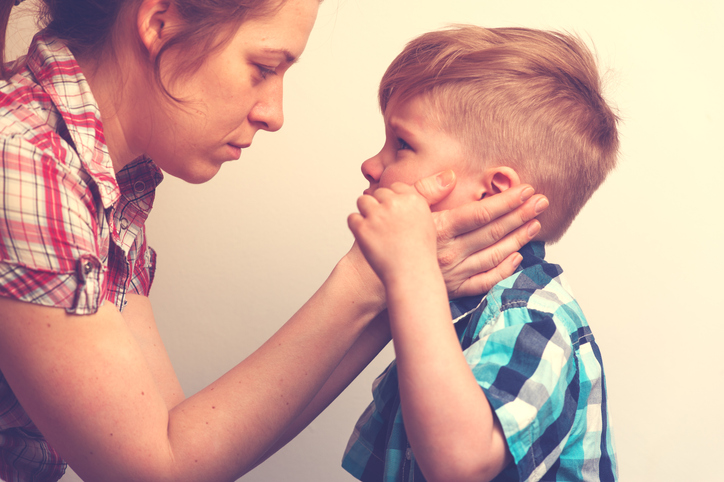
The relentless nature of this caregiving can create an all-consuming environment where the parent’s own identity and needs diminish into the background. Recognizing this reality is the first step toward recalibrating priorities and appreciating that self-care is a vital—not optional—component of effective parenting.
A Paradigm Shift: Rethinking Self-Care Beyond the Surface
Commonly misconstrued as indulgent or superficial, self-care demands a paradigm shift in perspective. It is less about fleeting pleasures and more about cultivating an enduring reservoir of physical, emotional, and mental vitality. Self-care for autism parents is an act of strategic preservation—a deliberate investment. It fortifies the caregiver’s ability to weather storms with clarity and compassion, profoundly impacting the child’s environment and growth trajectory.
When parents prioritize their wellness, they model resilience and self-respect, teaching invaluable lessons beyond words. This holistic approach encompasses mindfulness practices, sufficient rest, nutritional care, and purposeful moments of solitude—all contributing synergistically to a robust foundation for caregiving.
The Ripple Effect: How Self-Care Amplifies Family Health
Self-care is not isolated indulgence; it casts ripples throughout the family dynamic. Parents equipped with restored energy and emotional bandwidth can engage more fully, respond more patiently to behavioral challenges, and nurture more meaningful connections. This positive feedback loop fosters a harmonious atmosphere, encouraging the child’s emotional security and developmental progress.

Moreover, prioritizing self-care combats caregiver burnout, a prevalent risk in autism parenting. Burnout not only diminishes the quality of life for parents but can inadvertently affect the child’s care. Thus, self-care emerges as a communal imperative, safeguarding the emotional ecosystem of the family unit.
From Guilt to Empowerment: Overcoming Barriers to Self-Care
One of the most pervasive impediments to self-care is guilt. Parents often wrestle with the belief that dedicating time to themselves detracts from their child’s needs. This mindset, though understandable, is paradoxically counterproductive. Embracing self-care can evoke feelings of selfishness initially, but it is crucial to reframe it as an act of empowerment—where investing in one’s own health enhances one’s caregiving efficacy.
To overcome these barriers, parents might begin by identifying attainable goals—small, consistent steps that fit within demanding schedules. Engaging supportive networks, whether through community groups or professional outlets, further alleviates isolation and replenishes emotional reserves.
Practical Strategies: Implementing Sustainable Self-Care Habits
The foundation of effective self-care lies in realistic, manageable strategies tailored to individual circumstances. Establishing routines that incorporate physical activity, relaxation techniques, and social connection can yield profound benefits. Techniques such as deep breathing exercises, journaling, or even brief nature walks serve as accessible gateways to tranquility amidst chaos.
Equally important is carving out moments for personal joy—reading, creative pursuits, or quiet reflection—that renew the spirit. Collaborative caregiving, enlisting partners or trusted respite providers, is another critical strategy, ensuring parents have regular intervals to recharge without apprehension.
Technology and digital communities also offer innovative supports, providing both educational resources and empathetic peer connections. These tools democratize access to self-care guidance, transforming solitary struggles into shared journeys.
Conclusion: The Non-Negotiable Commitment to Self-Care
In reframing self-care as a non-negotiable aspect of autism parenting, a profound transformation occurs. It is not a peripheral luxury but the lifeblood sustaining every interaction, every progression, every adaptive response. The caregiver’s vitality intricately influences the entire family’s trajectory. Embracing this truth invites parents to transcend exhaustion and guilt, stepping instead into a domain of mindful stewardship over their own well-being.
Ultimately, self-care demands intentionality—a fierce, loving commitment to oneself that reverberates through the family fabric. It promises not only endurance but flourishing, forging a path where both parent and child thrive in tandem, emboldened by resilience, empathy, and unwavering strength.