For many families, the prospect of taking a child for a haircut is straightforward. Yet, when the child is autistic, this commonplace experience often morphs into a complex procedure laden with sensory, emotional, and cognitive challenges. Parents and caregivers frequently observe an intense fascination or aversion to the act of hair cutting—an observation that goes beyond mere preference or discomfort. This behavior hints at deeper undercurrents involving sensory integration, predictability, and trust. Understanding these elements is pivotal in preparing an autistic child for a haircut in a way that minimizes distress and nurtures positive associations.
The Sensory Landscape: Navigating Heightened Sensitivities
Autistic children commonly experience heightened or atypical sensory processing. The salon environment is a tapestry of overwhelming stimuli: the sharp snip of scissors, the low hum of hairdryers, flickering fluorescent lights, and the physical sensations of combs and clippers against the scalp. These elements—harmless to many—can appear as a barrage of unfamiliar invasions to a child who processes sensory input differently.
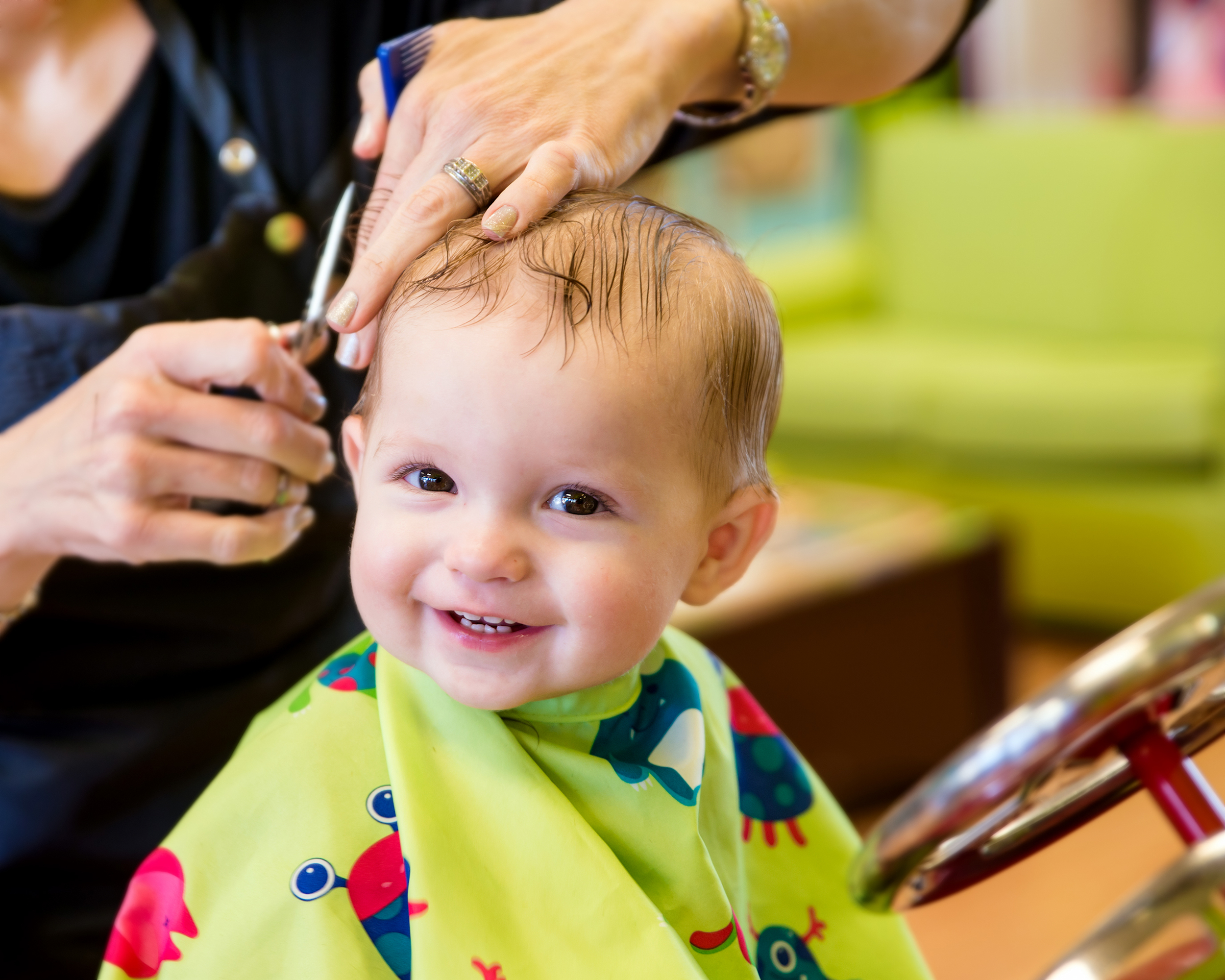
It’s essential to recognize that a child’s overwhelming response is not disobedience but a protective mechanism against sensory overload. Preemptively acquainting your child with the sensations—perhaps by using a soft brush or light touch on the scalp at home—helps mitigate shock. Visual schedules or social stories that delineate the sequence and sensations can dispel uncertainty, which often fuels anxiety. Predictability in sensory experience is a powerful counterbalance to the chaos their nervous system might otherwise perceive.
Establishing Trust Through Familiarity and Communication
The ritual of hair cutting involves a vulnerable position—physical proximity to a stranger wielding sharp tools—which can trigger distrust or fear in a child who may already feel out of control. The root of fascination or fixation often lies in an innate desire for predictability and control over one’s environment.

To cultivate trust, caregivers should strive for transparency and preparation. This includes introducing the hairstylist beforehand—via photos or short visits—to create a sense of familiarity. Observe the child’s preferred communication style and incorporate it into the preparation process, whether that be visual aids, simple language, or sign language. This not only empowers the child but also transforms an abstract concept into a comprehensible event. The deeper reason behind a child’s fixation on haircuts may reside in their need to exert control and foresee every phase of the process.
Strategic Environmental Modifications
Hair salons are rarely optimized for neurodiverse clients. Their bustling, unpredictable atmospheres can heighten anxiety and sensory discomfort. As a result, finding or creating a controlled, low-stimulation environment can be transformative.
Scheduling the appointment during quieter hours is recommended. Some salons now offer sensory-friendly services, including dimmed lighting, quieter tools, or private rooms. If an external salon isn’t an option, consider styling at home, under familiar lighting and with trusted hands. Tools that emit less noise, like manual scissors or quieter clippers, help accommodate sensory sensitivities.
Utilization of Behavioral Techniques
Applied Behavior Analysis (ABA) and similar structured approaches can be instrumental. These methodologies introduce the haircut in graduated steps—first familiarizing the child with the chair, then the sound of scissors, progressing only as comfort is regained. Positive reinforcement for compliance and gradual desensitization transforms a demanding experience into achievable milestones.

Visual reinforcement through stickers, favorite tokens, or verbal praise can be an immense motivator. Incorporating a preferred toy or comfort object during the haircut can provide a sense of security, anchoring the child amid unfamiliar stimuli.
Emotional and Psychological Implications of Haircuts
Beyond the sensory and behavioral realms, haircuts invoke emotional narratives tied to autonomy, appearance, and social interaction. For autistic children, whose grasp of social norms may differ, the focus might be less on cosmetic change and more on the uncomfortable disruption of their routines. The fascination observed in some cases speaks to the intricate relationship they have with routine—haircuts temporarily disrupt the known order, challenging their internal equilibrium.
Defining the haircut experience in terms of familiar routine, such as scheduling it at the same time or day, helps maintain continuity. Communicating what comes immediately afterward—be it a favorite activity or snack—creates forward-looking anticipation, further buffering the emotional challenge.
Collaborating with Professionals for Optimal Experience
Identifying hairstylists trained or experienced in working with autistic clients can dramatically improve the haircut experience. Such professionals typically exhibit patience, employ slow, deliberate movements, and offer clear explanations before each step. They adapt to the child’s pace, respecting boundaries rather than rushing to complete the task.
Caregivers should advocate for their child’s needs, providing concise information about sensory triggers and effective calming strategies. This ensures a partnership dedicated to reducing stress and promoting a respectful, positive interaction.
In sum, preparing an autistic child for a haircut demands thoughtful anticipation of sensory sensitivities, transparent communication to build trust, environment optimization, and a keen appreciation of the emotional dimensions. The observed fascination or anxiety is often a window into the child’s broader quest for predictability and safety amidst sensory and social complexity. With patient guidance and strategic preparation, this routine activity can evolve from a source of distress into an empowering milestone—fostering resilience, confidence, and a renewed connection between child and caregiver.