Autism Spectrum Disorder (ASD) is a complex neurodevelopmental condition that manifests through a wide range of behaviors and challenges. Selecting the most efficacious therapeutic approach for individuals with autism necessitates an understanding of the diverse modalities available. These therapies aim to improve communication, social skills, and adaptive behaviors while addressing sensory processing challenges unique to each individual.
Behavioral Therapies: Foundational Approaches to Skill Acquisition
Among the multitude of therapeutic interventions, behavioral therapies emerge as stalwart allies in the journey toward enhanced functionality and independence. Applied Behavior Analysis (ABA) remains the most extensively researched and widely implemented behavioral therapy for autism. ABA operates on the principle of reinforcing desirable behaviors and minimizing maladaptive ones through systematic observation and modification.
This therapy often involves discrete trial training, natural environment teaching, and verbal behavior interventions. Its structured nature facilitates measurable progress in communication, social interaction, and daily living skills. However, ABA’s intensity and methodology have been critiqued; thus, a tailored approach respecting the individual’s needs is paramount.

Developmental and Relationship-Based Therapies: Nurturing Emotional and Social Growth
Beyond behavioral strategies, developmental and relationship-based therapies emphasize emotional connection and social reciprocity. Therapies such as the Developmental, Individual-differences, Relationship-based model (DIR/Floortime) focus on meeting the child at their developmental level and fostering spontaneous communication through play and interaction.
These interventions prioritize the establishment of authentic relationships and support socioemotional development by encouraging caregivers and therapists to engage in meaningful exchanges with the autistic individual. The non-directive, fluid nature of these therapies contrasts the rigid framework of behavioral approaches, often appealing to families seeking a more naturalistic path.
Speech and Language Therapy: Bridging Communication Divides
Communication challenges are a hallmark of autism, rendering speech and language therapy indispensable in many treatment plans. These interventions span a spectrum from enhancing verbal language skills to alternative and augmentative communication (AAC) systems for non-verbal individuals.
Speech therapists employ techniques such as modeling, articulation exercises, and social communication training to increase expressive and receptive language abilities. AAC tools—including picture exchange communication systems (PECS) and speech-generating devices—empower those who struggle with spoken language to convey thoughts and emotions effectively, fostering autonomy and reducing frustration.

Occupational Therapy: Cultivating Independence Through Sensory Integration
Occupational therapy (OT) addresses the sensory processing challenges and functional skills essential for daily living. Many individuals with autism exhibit hyper- or hypo-sensitivity to sensory stimuli, which can impede their ability to engage with their environment effectively.
Through sensory integration therapy—a subset of OT—therapists work to modulate sensory input, helping individuals tolerate and respond appropriately to stimuli such as touch, sound, and movement. Additionally, OT focuses on enhancing fine motor skills, self-care abilities, and adaptive behaviors to promote greater independence in academic, home, and social settings.
Social Skills Training: Navigating the Social Landscape
Social deficits are often among the most poignant challenges faced by individuals on the spectrum. Social skills training programs are designed to equip individuals with the tools necessary for successful interpersonal interactions. These interventions may include role-playing, video modeling, and peer-mediated instruction.
By fostering skills such as initiating conversations, interpreting nonverbal cues, and understanding social norms, social skills training reduces isolation and facilitates meaningful relationships. Group sessions often provide a safe space for practicing and honing these essential abilities.
Complementary and Emerging Therapies: Expanding the Therapeutic Horizon
Alongside traditional therapies, a growing number of complementary and emerging interventions seek to address autism’s multifaceted nature. These include music therapy, animal-assisted therapy, and technology-driven tools like virtual reality.
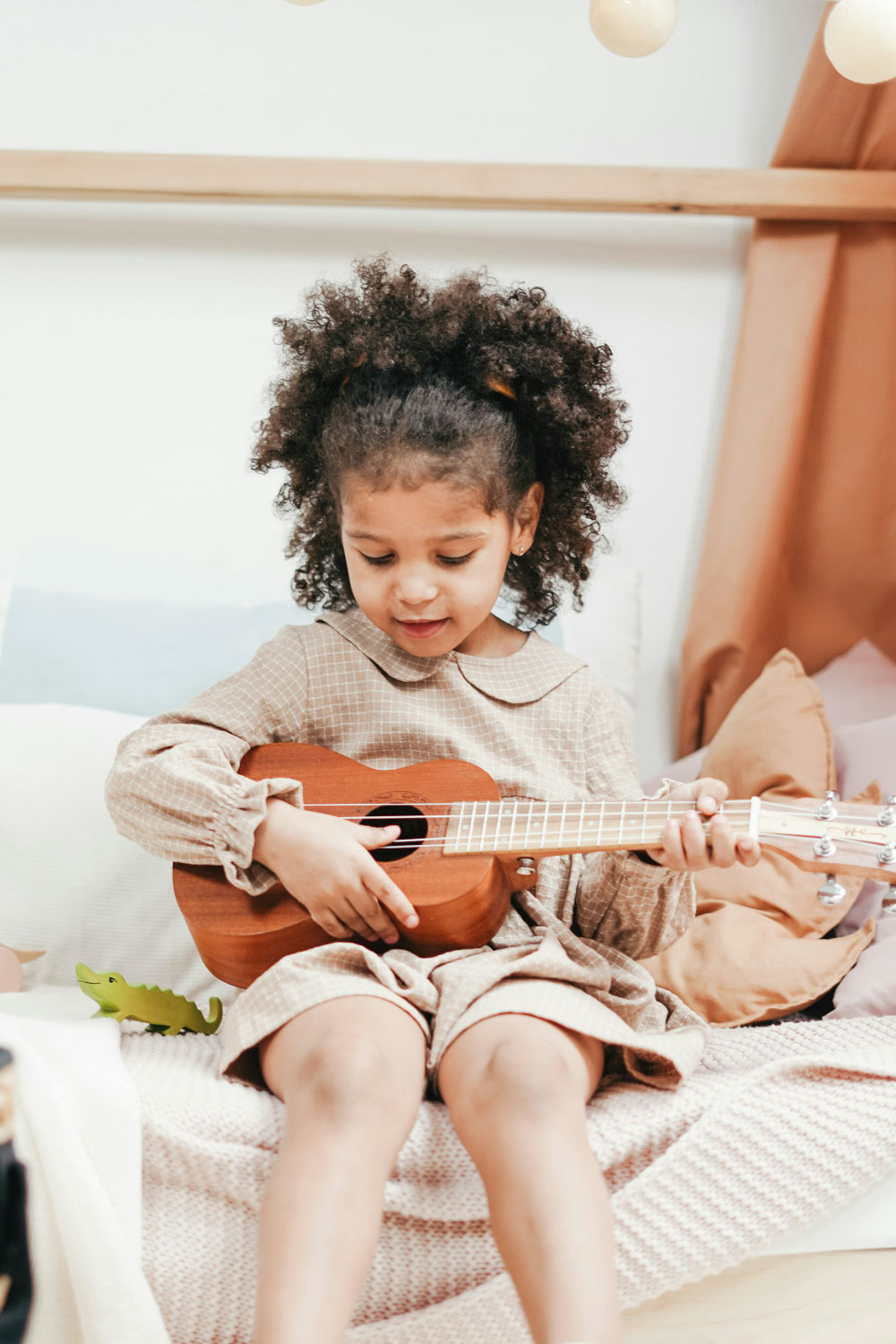
Music therapy utilizes rhythm and melodies to enhance communication, emotional expression, and motor skills. Meanwhile, animal-assisted therapy fosters empathy, reduces anxiety, and encourages social engagement through interaction with trained animals.
Virtual reality and other digital innovations provide controlled environments where individuals can practice social scenarios or sensory challenges with reduced stress. While promising, these approaches often require further empirical validation but represent exciting frontiers in autism therapy.
Personalized and Multidisciplinary Treatment Plans: The Gold Standard
Given the heterogeneity inherent in autism spectrum disorder, no single therapy can be crowned the universal remedy. The most efficacious approach is invariably individualized, blending multiple therapies tailored to the person’s strengths, challenges, and goals.
Multidisciplinary teams comprising behavioral therapists, speech-language pathologists, occupational therapists, psychologists, and medical professionals collaborate to craft comprehensive treatment plans. Parental involvement and cultural considerations are integral components, ensuring treatments are both effective and respectful of family dynamics.
Ultimately, the best therapy for autism transcends prescriptive formulas. It is a dynamic, evolving process that adapts to developmental changes and emerging needs. Commitment to early intervention, ongoing assessment, and flexibility forms the bedrock of successful outcomes.
Choosing the right therapeutic pathway is a nuanced decision that requires careful deliberation and guidance from qualified professionals. With continued advancements in research and practice, hope persists for increasingly personalized and effective interventions that empower individuals with autism to flourish.