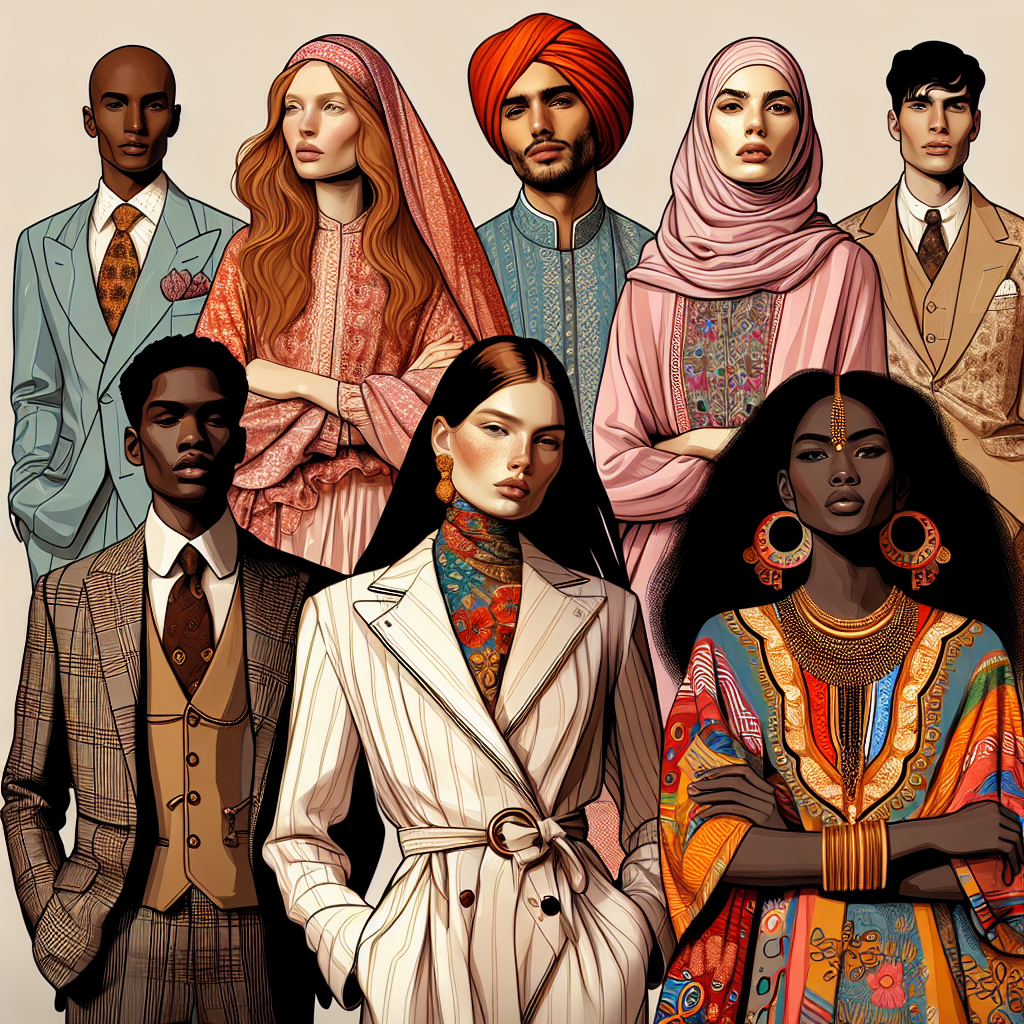
In a world where identity is often confined to rigid boxes, cosplay emerges as a vibrant rebellion—a way to shatter expectations and embrace the self in all its unfiltered glory. For individuals on the autism spectrum, this form of self-expression transcends mere hobbyism; it becomes a lifeline, a sanctuary where the complexities of neurodivergence find harmony in fabric, foam, and fantasy. Autism and cosplay are not merely compatible; they are a symphony of authenticity, a testament to the idea that identity is not a monolith but a kaleidoscope of possibilities.
Imagine stepping into a world where the rules of social engagement are rewritten not by convention, but by the boundless imagination of the wearer. Cosplay, at its core, is an act of defiance against the mundane, a celebration of the extraordinary. For autistic individuals, who often navigate a world that demands conformity to neurotypical norms, this form of expression offers a rare freedom—the ability to communicate without words, to exist without apology. It is a form of art therapy, a tactile and visual medium where the self is not just seen but felt, both by the wearer and the observer.
 The allure of cosplay lies in its ability to transform the ordinary into the extraordinary. For autistic individuals, who may experience sensory sensitivities or social challenges, the process of creating a costume can be a meditative act. The tactile engagement with materials, the precision of sewing or crafting, and the eventual transformation into a character provide a structured yet creative outlet. It is a way to externalize the internal, to give form to the abstract emotions and identities that often feel intangible. In this space, the wearer is not just a participant but the architect of their own narrative.
The Psychology of Cosplay: A Mirror to the Self
Cosplay is more than dressing up; it is an act of psychological alchemy, where the wearer merges with their chosen character to explore facets of their identity. For autistic individuals, this process can be particularly liberating. The rigid social expectations that often accompany neurotypical interactions are suspended in the realm of cosplay, where the only rule is authenticity. The costume becomes a second skin, a physical manifestation of the self that exists beyond societal constraints.
Research in neurodiversity and creative expression suggests that autistic individuals often experience a heightened connection to sensory and aesthetic stimuli. Cosplay, with its emphasis on visual and tactile engagement, taps into this sensory richness. The act of embodying a character allows for a temporary escape from the pressures of masking—suppressing one’s natural behaviors to conform to neurotypical expectations. In this way, cosplay becomes a form of self-advocacy, a declaration that one’s identity is not a flaw to be hidden but a story to be told.
-p-800.jpg) The psychological benefits of cosplay extend beyond the individual. For many autistic individuals, social interactions can feel like navigating a minefield of unspoken rules. Cosplay provides a shared language, a common ground where connections are forged not through small talk but through a mutual appreciation of craftsmanship and character. Conventions and cosplay communities offer a rare space where neurodivergent individuals can thrive, surrounded by others who understand the transformative power of a well-crafted costume.
The psychological benefits of cosplay extend beyond the individual. For many autistic individuals, social interactions can feel like navigating a minefield of unspoken rules. Cosplay provides a shared language, a common ground where connections are forged not through small talk but through a mutual appreciation of craftsmanship and character. Conventions and cosplay communities offer a rare space where neurodivergent individuals can thrive, surrounded by others who understand the transformative power of a well-crafted costume.
Sensory Harmony: Crafting Comfort in Costume
One of the most significant challenges for autistic individuals is sensory processing. Fabrics that feel rough, tags that irritate, or the weight of a costume can become overwhelming distractions. However, cosplay also offers a unique opportunity to tailor sensory experiences to individual needs. The choice of materials, the fit of the costume, and even the accessories can be customized to create a sensory-friendly experience.
For instance, an autistic cosplayer might opt for breathable, seamless fabrics to avoid tactile discomfort. They may incorporate weighted elements or compression panels to provide deep-pressure stimulation, which can be calming. The process of designing a costume becomes an exercise in self-awareness, a way to communicate one’s sensory preferences to the world. In this sense, cosplay is not just about looking like a character; it is about feeling like oneself.
Moreover, the act of crafting a costume can be a form of sensory regulation. The repetitive motions of sewing, the rhythmic sound of a hot glue gun, or the texture of foam being carved can be soothing. For autistic individuals who experience hyperfocus—a state of intense concentration on a task—cosplay can become a meditative practice, a way to channel energy into a tangible creation.
Community and Camaraderie: The Unseen Threads of Connection
Cosplay communities are a microcosm of acceptance, where the only prerequisite for belonging is a shared passion for creativity. For autistic individuals, these communities offer a lifeline, a space where they can be their true selves without fear of judgment. The collaborative nature of cosplay—whether it’s group projects, photo shoots, or convention meetups—fosters a sense of belonging that is often elusive in mainstream society.
 The rise of online cosplay communities has further democratized this space, allowing autistic individuals to connect with like-minded people from the comfort of their homes. Platforms like Instagram, TikTok, and Discord have become virtual havens where cosplayers share tips, showcase their work, and celebrate each other’s achievements. For those who struggle with social anxiety or sensory overload in crowded spaces, these digital communities provide a low-pressure environment to express themselves and build relationships.
Within these communities, autistic cosplayers often find mentors who guide them through the creative process, offering advice on everything from pattern-making to budget-friendly material choices. This mentorship not only hones their craft but also builds confidence, proving that their unique perspectives are an asset rather than a limitation. The act of teaching others—whether through tutorials or collaborative projects—reinforces a sense of purpose and mastery, further enhancing the therapeutic benefits of cosplay.
Breaking Barriers: Cosplay as a Tool for Advocacy
Cosplay has the power to challenge stereotypes and redefine perceptions of autism. When an autistic individual steps into a convention hall in a meticulously crafted costume, they are not just embodying a character; they are embodying resilience. They are proving that neurodivergence is not a barrier to creativity but a catalyst for it. The visibility of autistic cosplayers in mainstream spaces forces society to confront its biases, to see beyond the labels and recognize the humanity in every individual.
Moreover, cosplay can be a form of advocacy, a way to educate others about the diversity of the autism spectrum. By sharing their stories—whether through social media, interviews, or convention panels—autistic cosplayers can dismantle myths and misconceptions. They can show that autism is not a monolithic experience but a spectrum of strengths, challenges, and unique perspectives. In this way, cosplay becomes a tool for social change, a way to rewrite the narrative around neurodiversity.
The Future of Autism and Cosplay: A Canvas of Possibilities
The intersection of autism and cosplay is still a relatively unexplored frontier, but its potential is boundless. As more autistic individuals discover the transformative power of cosplay, the community will continue to evolve, becoming more inclusive and innovative. Future trends may include sensory-friendly cosplay events, workshops tailored to neurodivergent needs, and even collaborations with designers to create adaptive costumes.
The rise of virtual reality and augmented reality could also revolutionize the cosplay experience, allowing autistic individuals to explore new forms of self-expression without the physical constraints of traditional costumes. Imagine donning a digital avatar that reflects one’s identity in a virtual world, where the only limit is the imagination. This fusion of technology and cosplay could open doors to even greater accessibility and creativity.
Ultimately, the relationship between autism and cosplay is a testament to the human capacity for reinvention. It is a reminder that identity is not fixed but fluid, a tapestry woven from countless threads of experience, creativity, and self-discovery. For autistic individuals, cosplay is more than a hobby; it is a lifeline, a way to navigate a world that often feels incomprehensible. It is a promise—a promise that authenticity is not just accepted but celebrated, that the self is not a burden but a masterpiece in the making.
In the end, cosplay is a rebellion against the ordinary, a celebration of the extraordinary. For autistic individuals, it is a sanctuary where the self is not just seen but revered. It is a reminder that the world is not a place to conform to but a stage to perform on, where every costume tells a story, and every story is a testament to the power of being unapologetically oneself.