
Autism Spectrum Disorder (ASD) manifests in multifaceted ways, weaving a complex tapestry of experiences for those affected. Among its most profound aspects are sensory sensitivities, a phenomenon that influences perception, interaction, and daily functionality. This guide endeavors to elucidate the nuances surrounding sensory sensitivities in autism, providing a comprehensive exploration for caregivers, educators, and anyone seeking a deeper understanding of this intricate subject.
Understanding Sensory Sensitivities in Autism
Sensory sensitivities, often described as atypical sensory processing, refer to how individuals with autism perceive and respond to sensory stimuli uniquely and, at times, intensely. Unlike neurotypical sensory experiences, these sensitivities can amplify or dampen reactions to sights, sounds, textures, tastes, and smells, resulting in either hypersensitivity or hyposensitivity. This dualistic nature challenges the often simplistic perception of sensory differences, revealing a spectrum within the spectrum itself.

For example, an individual may find the soft rustling of paper unbearable or, conversely, may show minimal response to extreme pain. These lived realities can engender significant barriers, making environments overwhelming or under-stimulating, thus impacting behavior and emotional well-being.
Types of Sensory Sensitivities
Sensory sensitivities in autism encompass several domains. Understanding these domains is crucial for fostering environments tailored to diverse needs.
Auditory Sensitivity
Auditory hypersensitivity involves an acute sensitivity to sounds that most individuals find tolerable. Everyday noises such as a vacuum cleaner, sirens, or even conversational tones can evoke distress or startle responses. Conversely, auditory hyposensitivity might present as an apparent unawareness of high-decibel environments, sometimes leading to delayed reactions or absent responses to verbal cues.
Visual Sensitivity
Visual processing differences may manifest through a heightened sensitivity to bright lights, flickering screens, or rapid movements. Some individuals adopt strategies like wearing tinted glasses or avoiding fluorescent lighting to mitigate discomfort. Others may experience hyposensitivity and seek out visually stimulating objects or environments.
Tactile Sensitivity
Tactile defensiveness can greatly impact daily experiences, making certain fabrics intolerable or physical touch uncomfortable. This sensitivity frequently results in aversions to clothing tags, textures, or even social touches like hugs. In contrast, tactile hyposensitivity may drive individuals to seek intense touch sensations or engage in self-stimulatory behaviors such as tapping or rubbing.
Olfactory and Gustatory Sensitivities
Unusual reactions to smells and tastes are common but often less discussed. Hypersensitivity in this realm can lead to a restricted diet or avoidance of environments with strong odors. Some individuals may reject foods of certain textures or flavors entirely, while others, displaying hyposensitivity, might crave strong flavors or fragrances to achieve sensory input.
The Neurological Underpinnings
Advancements in neuroscience have begun to unravel the mechanisms behind sensory sensitivities in autism. Research indicates atypical neural connectivity and altered information processing in sensory pathways. This divergence explains the heightened or diminished responses observed. The brain’s sensory integration centers, responsible for combining multi-sensory data into a coherent experience, often operate differently, leading to sensory overload or under-engagement. Understanding these neurological foundations is pivotal in developing therapeutic interventions and educational accommodations.
Impact on Daily Living and Behavior
The implications of sensory sensitivities ripple through multiple facets of an individual’s life. Sensory overload can precipitate anxiety, meltdowns, or withdrawal, profoundly affecting communication and social interaction. Environments laden with unpredictable sensory stimuli, such as crowded public spaces or noisy classrooms, can become sources of significant stress.
Conversely, sensory-seeking behaviors may lead to repetitive motions or pursuits that fulfill an intrinsic need for sensory input. These patterns, often stigmatized, serve essential self-regulatory functions. Recognizing these behaviors as adaptive rather than problematic shifts perspectives and fosters empathy.
Strategies and Interventions
Pragmatic approaches aimed at mitigating sensory challenges are vital in promoting autonomy and enhancing quality of life. Sensory integration therapy, for instance, employs structured activities to help individuals achieve better regulation and tolerance.
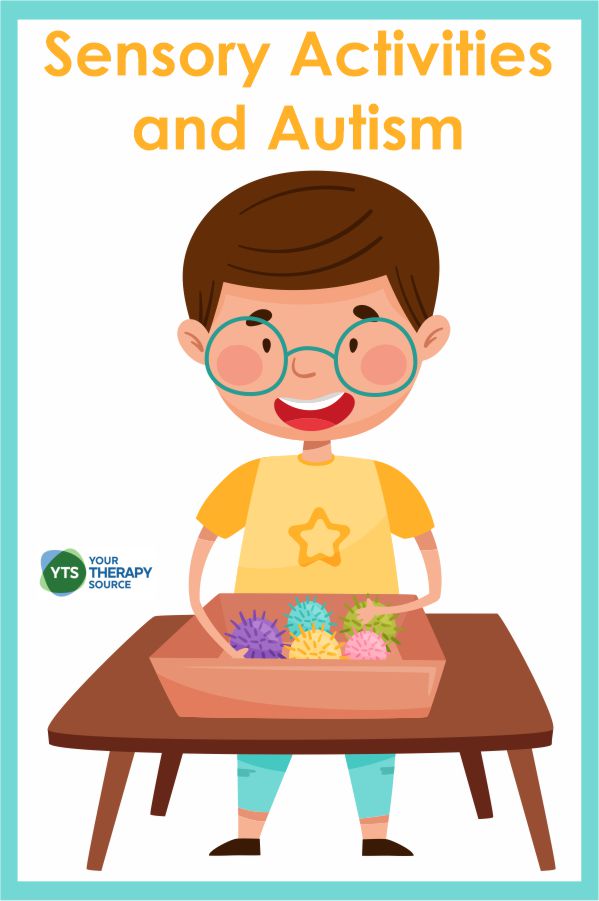
Environmental modifications play an indispensable role. Creating sensory-friendly spaces with controlled lighting, reduced background noise, and tactile-friendly materials can drastically reduce distress. Tools such as noise-canceling headphones, weighted blankets, and sensory toys support self-regulation, empowering individuals to manage sensory input effectively.
Supporting Children with Sensory Sensitivities
Early identification and targeted interventions can significantly influence developmental trajectories. Parents and educators benefit from cultivating awareness around sensory cues and respecting individual thresholds. Incorporating sensory breaks and personalized accommodations in educational settings fosters inclusion and enhances learning.

Collaboration with occupational therapists can provide tailored strategies to address challenges and harness sensory strengths, facilitating smoother transitions and social engagement.
Expanding Understanding: From Sensory Tunnels to Empowered Lives
Autism sensory experiences are often described metaphorically as “sensory tunnels,” pathways colored by intensity and unpredictability. Navigating these tunnels demands patience, knowledge, and adaptability from all caregivers and communities.
Embracing sensory differences as vital aspects of neurodiversity invites society to evolve beyond conventional norms. It calls for environments enriched with empathy, flexibility, and innovation — a canvas where individuals with autism can thrive authentically and unabashedly.
In sum, the phenomenon of sensory sensitivities within autism is intricate, deeply personal, and ever-evolving. This guide serves as an invitation to delve beneath surface behaviors, to listen attentively to the myriad sensory narratives, and to champion strategies that illuminate paths toward comfort and connection. Through informed awareness and compassionate action, it becomes possible to transform sensory sensitivities from barriers into bridges leading to enriched human experiences.