Parenting a child on the autism spectrum often demands an unparalleled level of dedication, resilience, and emotional agility. While the journey can be profoundly rewarding, it also carries unique challenges that test the endurance of even the most steadfast caregivers. A phenomenon increasingly recognized within this community is “Autism Parenting Burnout.” It encapsulates a state of overwhelming fatigue, emotional depletion, and a diminished sense of efficacy experienced specifically by parents navigating the complex world of autism. Observing this burnout reveals a deeper fascination—not simply because of the visible strain on caregivers, but due to the intricate interplay of expectations, societal perceptions, and neurodiversity awareness that contribute to this pervasive state.
Understanding Autism Parenting Burnout
Autism Parenting Burnout is not merely about being tired from daily tasks; it reflects a profound exhaustion that permeates emotional, physical, and cognitive domains. It emerges from persistent stressors unique to parenting a child with autism—such as managing sensory sensitivities, behavioral challenges, navigating specialized education systems, and often, coordinating multiple therapeutic interventions. These continuous demands erode the parent’s emotional reserves, sometimes leading to feelings of isolation, guilt, and even helplessness. This form of burnout differs from general parental fatigue in its intensity and persistence, reflecting the cumulative weight of specialized caregiving.
The fascination with Autism Parenting Burnout derives from its layered complexity. It is at once an individual struggle and a reflection of systemic gaps. Parents often grapple with societal misunderstandings, stigmatization, and the paradox of advocating for acceptance while confronting deeply ingrained biases. The intensity of burnout draws attention to the broader need for community support, policy reform, and mental health resources tailored to these caregivers.

Recognizing the Signs of Autism Parenting Burnout
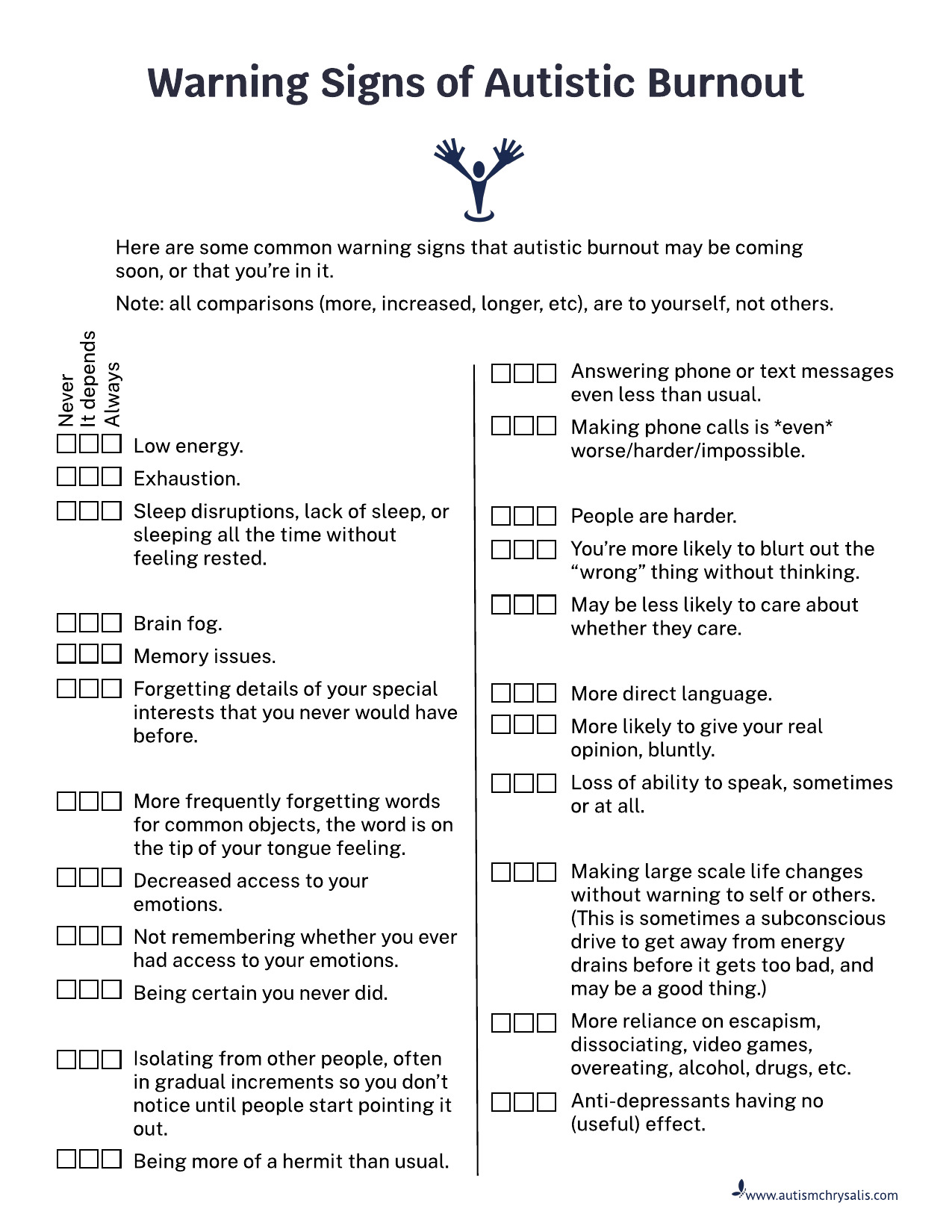
Identifying burnout early can transform the caregiving experience by enabling timely intervention. However, the signs are frequently subtle or misattributed to general stress. Profound emotional depletion is often the hallmark—manifesting as a pervasive sense of apathy or emotional numbness. Parents may find themselves withdrawing from social interactions or neglecting personal care routines. Cognitive symptoms often appear as reduced concentration, decision fatigue, or intrusive feelings of self-doubt regarding parenting efficacy.
Behavioral changes are also notable. Parents might exhibit increased irritability or impatience, sometimes feeling overwhelmed by routine challenges that once seemed manageable. Sleep disturbances, persistent fatigue despite rest, and psychosomatic symptoms such as headaches or gastrointestinal distress may develop. A significant sign is the erosion of motivation to engage in the specialized advocacy or support networks that were once integral to their coping strategy.
Underlying Causes Fueling Burnout
At the core of Autism Parenting Burnout lies a constellation of overlapping causes. Chronic stress stemming from continuous caregiving demands is primary. The unpredictability of behavioral episodes, sensory challenges, and healthcare navigation exacerbate an already taxing environment. Many caregivers face compounded stress due to limited external support, financial strain related to therapy costs, and the societal expectation to be perpetually strong.
The invisible burden of emotional labor—often unacknowledged—plays a profound role. Constantly adapting communication styles, mitigating sensory overload, and orchestrating educational or therapy accommodations require intellectual and emotional vigilance. The subtle grief that accompanies recalibrated parental expectations or the societal misrecognition of invisible struggles adds an often-overlooked psychological toll.
Additionally, systemic factors contribute to burnout’s gravity. Insufficient resource allocation, educational gaps, and societal stigmatization create barriers that make parenting not only a personal challenge but also a socio-political one. This complexity deepens the exhaustion experienced, as parents become entangled in advocacy work alongside caregiving.
Effective Coping Strategies to Mitigate Burnout
Combating Autism Parenting Burnout demands a multifaceted approach that prioritizes the well-being of caregivers as much as their children. Central to this is the cultivation of restorative self-care. This does not simply mean occasional relaxation; instead, it involves deliberate allocation of time for physical rest, mental rejuvenation, and emotional expression. Establishing routines that include mindfulness practices, physical exercise, or creative outlets can offer essential respite from caregiving rigors.
Building a robust support network is equally critical. Connecting with other parents navigating similar journeys can alleviate isolation and provide practical insights. Access to counselors or therapists familiar with the intricacies of autism caregiving can foster resilience through guided emotional processing. Inclusion of extended family or trusted friends in the caregiving loop can distribute some responsibilities and offer emotional relief.
Practical organizational strategies also reduce cognitive overload. Employing tools such as detailed calendars, communication logs, and therapeutic progress trackers allows parents to compartmentalize complex tasks, reducing decision fatigue. Transparency and collaboration with educators and therapists promote a cohesive support system, ensuring shared understanding and reducing the cognitive burden placed solely on parents.
Embracing Acceptance and Setting Boundaries
Integral to overcoming burnout is the practice of acceptance—not resignation, but acknowledging limitations without self-judgment. This involves redefining perfectionist tendencies and unrealistic expectations often internalized by parents. Acceptance empowers caregivers to adapt their approaches in ways that sustain long-term engagement rather than short bursts of exhaustive effort.
Boundary setting is a critical corollary to acceptance. Parents must learn to delineate their emotional and physical limits clearly. This can mean saying no to excessive commitments, delegating tasks, or carving out uninterrupted personal time without guilt. The capacity to establish and maintain these boundaries fortifies emotional reservoirs and prevents the cyclical pattern of exhaustion and recovery from repeating endlessly.
Conclusion: Illuminating the Path Forward
Autism Parenting Burnout is a profound phenomenon that transcends mere fatigue—it is a mirror reflecting both the personal challenges of caregiving and the larger societal frameworks in which these parents operate. Recognizing its signs and understanding its causes invite deeper compassion, more effective support structures, and compassionate self-care strategies. Through acceptance, supportive networks, and intentional coping mechanisms, parents can navigate burnout’s shadow while continuing to nurture and celebrate their uniquely diverse families.