Stepping into independent living is often perceived as a monumental leap—a journey marked with challenges, discoveries, and profound self-realization. For individuals with autism, this transition is not merely about managing daily routines but embracing a metamorphosis that redefines autonomy and reshapes one’s relationship with the world. Independent living with autism promises a transformative perspective, where success hinges on tailored strategies, thoughtful preparation, and an empathetic understanding of individual needs. This exploration delves deep into the art of cultivating independence, unveiling practical tips that illuminate the path to thriving in the tapestry of daily life.
Redefining Independence: Beyond Conventional Boundaries
At first glance, independence might evoke images of self-sufficiency or solitary decision-making. However, for those with autism, it embodies a more nuanced amalgamation of autonomy and support. Autonomous living transcends mere functional tasks; it enfolds emotional resilience, social navigation, and sensory management. Recognizing that independence is a spectrum—not a monolith—enables a flexible framework, adaptive to individual strengths and unique challenges. This fundamental shift in perspective invites one to view independent living as a personalized habitat where control and assistance coexist harmoniously.

Establishing a Structured Environment: The Bedrock of Stability
Structure becomes a sanctuary amid the whirlwinds of unpredictability. Creating a living environment imbued with consistency, clear cues, and organized spaces can diminish anxiety and enhance cognitive processing. Visual schedules, color-coded organization systems, and designated areas for specific activities transform the living space into a predictable ecosystem that fosters comfort and ease. Such intentional design mitigates sensory overload and promotes seamless transitions throughout the day, nurturing a rhythm that echoes personal preferences and needs.
Building Life Skills: From Essential Routines to Empowerment
Mastering life skills is akin to acquiring the toolkit for self-determination. These competencies extend beyond cooking or cleaning—they encapsulate financial literacy, health management, communication, and problem-solving abilities. Practicing these skills incrementally, with patience and repetition, embeds confidence and capability. Moreover, leveraging assistive technologies—such as reminder apps, budgeting software, or voice-activated devices—augments independence by streamlining complex tasks into manageable steps. Emphasizing strengths while addressing areas of difficulty empowers individuals to navigate everyday challenges with nuance and precision.
The Art of Sensory and Emotional Regulation
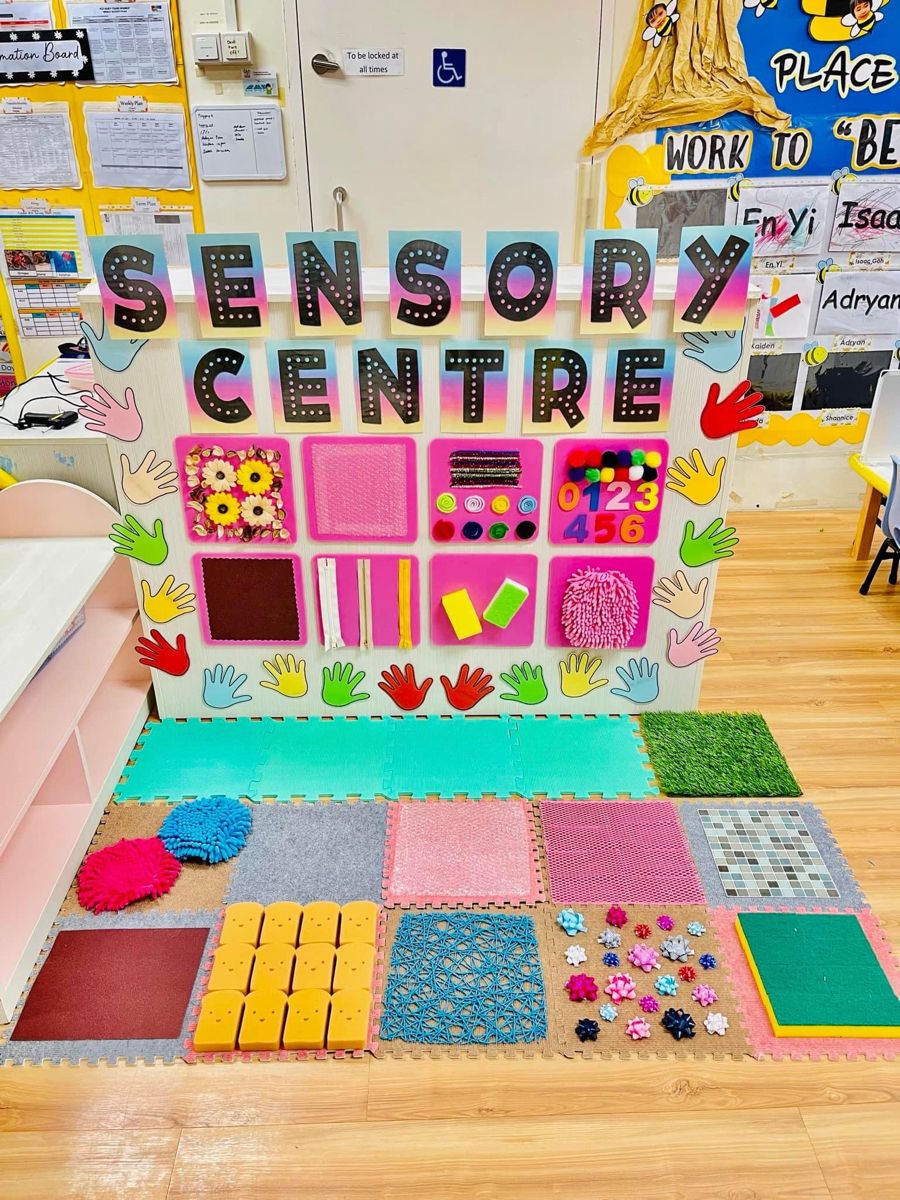
One of the less visible yet profoundly impactful facets of independence lies in managing sensory sensitivities and emotional fluctuations. Developing personalized coping strategies—whether deep-pressure techniques, mindfulness practices, or sensory-friendly environments—equips individuals to anticipate and modulate stimuli. Emotional self-awareness, coupled with proactive interventions, transforms moments of overwhelm into opportunities for recalibration. This facet of independent living affirms that autonomy includes trusting oneself to seek support or respite when necessary, rather than adhering to rigid notions of solitary endurance.

Nurturing Social Connections: The Invisible Framework of Support
Isolation can be a formidable obstacle on the journey towards independence, yet fostering meaningful relationships can simultaneously be empowering and restorative. Independent living does not equate to solitude; rather, it embraces interdependence. Cultivating a network of allies—from family members and friends to community groups and professionals—provides a scaffold of support and engagement. Social skills training and structured interaction opportunities can enhance communication and relationship-building, enriching quality of life and mitigating feelings of disconnection.
Leveraging Community Resources: Bridging Autonomy and Assistance
Actualizing independence often requires strategic integration with community resources. From supported housing programs to vocational training, myriad opportunities exist to facilitate growth while providing safety nets. Identifying and accessing these resources necessitates proactive exploration and advocacy. Partnerships with organizations specialized in autism support enable tailored interventions that complement personal goals. Moreover, understanding legal rights and available benefits fortifies empowerment by ensuring access to necessary services and accommodations.
Fostering Resilience Through Adaptive Mindsets
Resilience emerges as a linchpin in the independent living landscape. Cultivating an adaptive mindset—one that embraces flexibility, celebrates incremental progress, and reframes setbacks as learning opportunities—is integral for sustained success. Encouraging curiosity about self-discovery and encouraging experimentation with new routines or environments invigorates confidence. This resilience is not developed in isolation; it flourishes when nurtured by a culture that values neurodiversity, supports mental health, and champions individual journeys.
Independence, when viewed through the prism of autism, is a dynamic and richly textured endeavor. It invites an ongoing dialogue between autonomy and support, control and surrender, certainty and exploration. By redefining traditional paradigms, structuring environments thoughtfully, building vital skills, managing sensory-emotional experiences, nurturing connections, utilizing community assets, and fostering resilience, independent living transforms from a daunting prospect into a realistic and empowering lived experience. This approach not only elevates quality of life but also ignites the boundless potential that resides within every individual seeking to carve their own path.