Imagine the human mind as a vast, intricate forest—each tree representing a myriad of emotions, experiences, and neurological pathways. Within this labyrinthine ecosystem, Autism and Depression can often intertwine, their branches knotted together in complex patterns that challenge both understanding and intervention. Navigating the intertwined world of Autism and Depression requires not only awareness but a nuanced approach that honors the uniqueness of every individual’s psychological landscape. This article embarks on a journey through the subtle signs, poignant intersections, and compassionate support strategies that can illuminate the path toward wellbeing for those affected.
The Confluence of Autism and Depression: Understanding the Overlap
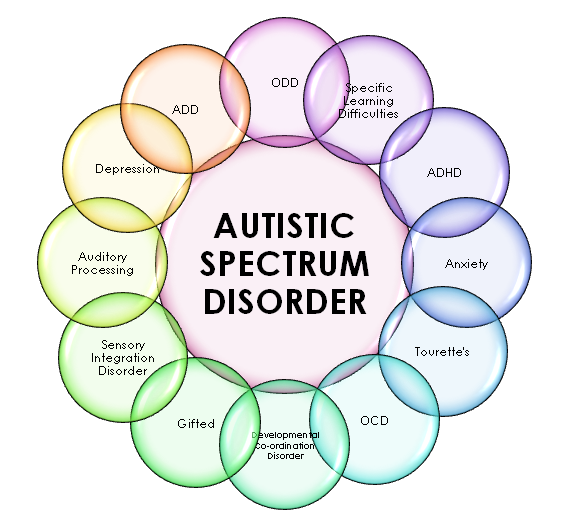
Autism Spectrum Disorder (ASD) and Depression are like two rivers converging into one unpredictable stream. ASD is characterized by differences in social communication, restrictive behaviors, and sensory sensitivities, while Depression often manifests as pervasive sadness, loss of interest, and feelings of hopelessness. When these conditions coexist, they do not simply add together; they interact dynamically, sometimes magnifying the challenges each presents.
Individuals with autism are at a heightened risk for developing depression. This vulnerability stems from multiple precipitating factors, including social isolation, difficulty in interpreting social cues, and heightened stress responses. The emotional undercurrents within the autistic community often go unnoticed due to atypical presentations, which can mask classical depressive symptoms. Recognizing this overlap is crucial, as untreated depression can significantly impair the quality of life and exacerbate autistic traits.
Subtle and Atypical Signs of Depression in Autism
Detecting depression within autistic individuals resembles deciphering a coded message embedded in a foreign language. Traditional signs like overt sadness or verbalized despair may be muted or entirely absent. Instead, depression might reveal itself through a constellation of less obvious symptoms, such as:
- Altered Communication Patterns: A sudden reduction in speech or increased mutism can signal emotional distress.
- Amplified Repetitive Behaviors: Behaviors once comforting may intensify, serving as maladaptive coping mechanisms.
- Withdrawal from Preferred Activities: Loss of interest in special interests or routines, previously sources of joy.
- Increased Irritability or Meltdowns: Heightened emotional volatility beyond typical baseline responses.
- Changes in Sleep or Appetite: Disrupted circadian rhythms and eating patterns are common somatic indicators.
These manifestations require keen observation from caregivers, educators, and clinicians aware of the nuanced presentation. Emotional landscapes in autism are often painted in strokes invisible to traditional diagnostic tools, demanding tailored assessment methods.
Intrinsic Challenges in Diagnosis and Misinterpretations
The diagnostic process can be clouded by overlapping traits and misinterpretations. For example, social withdrawal might be ascribed purely to autistic tendencies rather than a depressive episode. Similarly, repetitive behaviors misperceived as stable may actually represent a cry for help or a manifestation of inner turmoil.
Standard depression screening tools often lack the specificity needed to capture the autistic experience accurately. Sensory sensitivities and communication difficulties may hinder self-reporting, while neurotypical norms embedded in assessments fail to account for divergent emotional expressivity. Such challenges underscore the necessity for clinicians to adopt diagnostic frameworks sensitive to the idiosyncrasies of autism.
Effective Support Strategies: A Synergistic Approach
Supporting an individual navigating both autism and depression requires an alchemical blend of empathy, expertise, and innovation. Strategies must reverberate with respect to sensory sensitivities, communicative preferences, and the person’s unique psychological profile.
1. Individualized Psychotherapeutic Interventions
Cognitive Behavioral Therapy (CBT) adapted for autism demonstrates promise in addressing depressive symptoms. Modifications include a greater focus on visual supports, concrete language, and managing rigidity in thought patterns. Incorporating interests as therapeutic anchors can reduce resistance and enhance engagement.
2. Sensory and Environmental Accommodations
Creating predictable and soothing environments can alleviate sensory overwhelm, reducing stress—the fertile ground wherein depression often flourishes. Noise-cancelling headphones, dimmed lighting, or quiet spaces can serve as sanctuaries during heightened emotional distress.
3. Social Skills and Peer Engagement Support
Facilitating meaningful social interactions through structured programs or supported group activities can mitigate feelings of isolation. Strengthening social connections nurtures resilience and offers natural buffers against depressive episodes.
4. Medication and Medical Oversight
In certain cases, pharmacological interventions may be necessary, particularly when depressive symptoms are severe. A multidisciplinary team must carefully weigh risks and benefits, considering the person’s overall sensory and metabolic profile.

Empowering Caregivers and Communities
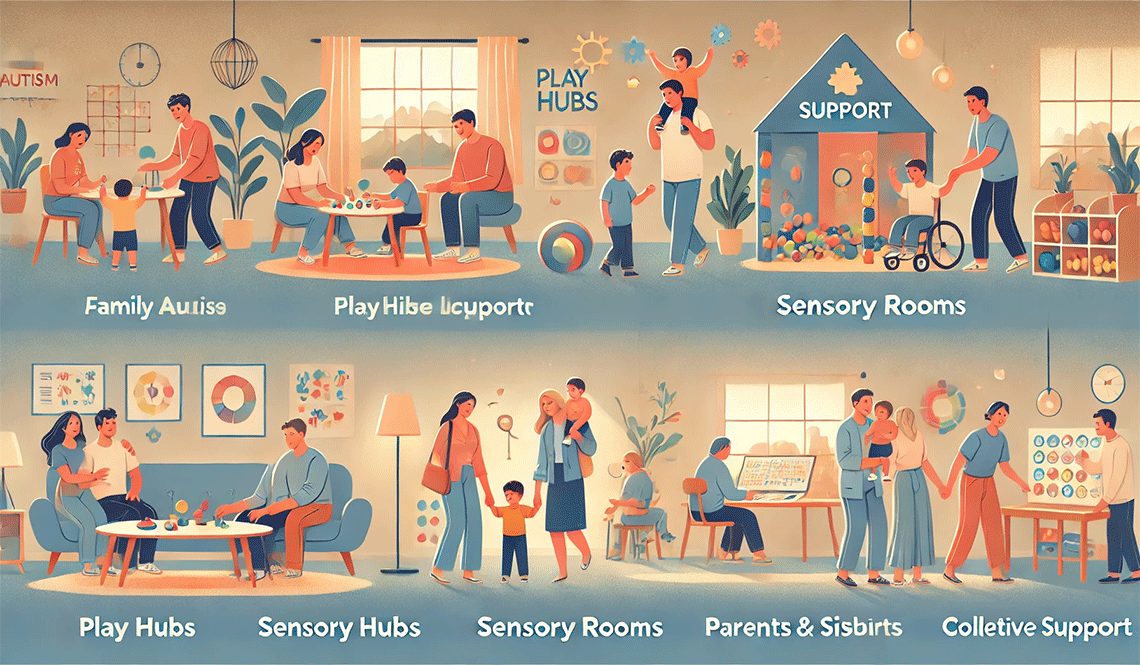
The shadow cast by Autism and Depression can feel insurmountable, yet empowerment flourishes in knowledge and community support. Caregivers play a pivotal role in monitoring subtle shifts, advocating for personalized care, and facilitating access to resources.
Training programs, support groups, and educational initiatives should be widely accessible, equipping families and practitioners to decipher the emotional language of autism more effectively. Communities that embrace neurodiversity and foster inclusion can significantly diminish the stigma that often compounds mental health struggles.
Looking Forward: Cultivating Hope Amidst Complexity
Much like the cyclical nature of the seasons within a dense forest, the intertwined journey of Autism and Depression demands patience and adaptability. Through meticulous observation, tailored interventions, and unwavering compassion, flourishing is not just possible—it is a profound reality for many navigating this path.
Recognizing the unique contours of each individual’s experience, rather than forcing conformity to conventional templates, allows for innovative, meaningful support. The confluence of autism and depression, once a perplexing wilderness, can transform into a terrain of growth, understanding, and resilience.