Could a seemingly ordinary teenager’s struggles actually be the silent language of autism? The teenage years are often a whirlwind of change, growth, and turbulence. For some adolescents, these years also usher in the revelation of an autism diagnosis—sometimes surprising, sometimes overdue. Recognizing autism in teens can pose a unique challenge, as societal expectations and developmental milestones complicate the picture. Yet, understanding these signs and navigating the path forward can tremendously impact the quality of life for these young individuals. Journey through the nuanced landscape of teen autism diagnosis, exploring key indicators and essential next steps for support and growth.
Recognizing Autism in Teenagers: The Subtle Yet Telling Signs
Identifying autism in teens is not always straightforward. Unlike early childhood diagnosis, where behaviors can be more overt and developmental delays more obvious, teenage autism can manifest through subtler and more complex symptoms. These signs may be overshadowed by typical adolescent behaviors or mistaken for social awkwardness or moodiness.
Autism in teenagers often presents through persistent difficulties in social communication. Teens might struggle to understand social cues, such as body language, tone of voice, or implied meanings, which are essential for peer interactions. You might notice that a teen has trouble maintaining conversations or forming reciprocal friendships despite a strong desire to connect.
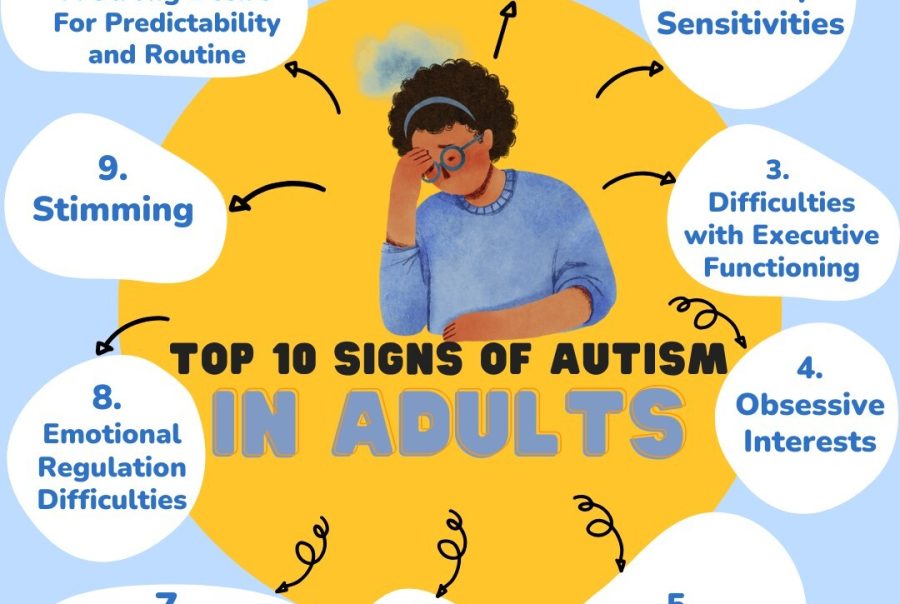
Repetitive behaviors or intense interests remain hallmark traits but might take on different forms during adolescence. For example, a teenager might obsessively research a specific topic, sometimes more academic or niche, or engage in repetitive physical motions like hand-flapping or rocking. These behaviors provide comfort and predictability in an often unpredictable teenager’s world.

Additionally, sensory sensitivities can become more pronounced during this stage. Loud noises, crowded environments, or certain clothing textures may provoke significant discomfort or distress. These sensory processing differences are sometimes dismissed as mere preferences but can substantially affect a teenager’s everyday functioning.
The Diagnostic Odyssey: Challenges and Importance of Timely Teen Autism Evaluation
Why is diagnosing autism in teenagers particularly challenging? The answer lies in a combination of overlapping behaviors, compensatory mechanisms, and societal expectations. By their teenage years, many individuals have developed coping strategies that mask their difficulties, making autism less conspicuous to family members, educators, and clinicians.
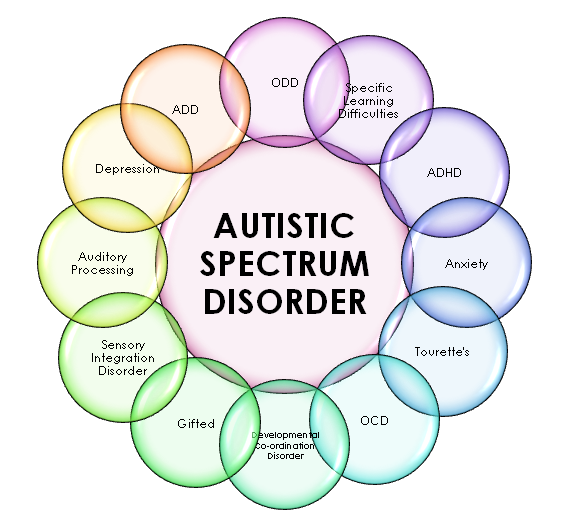
Moreover, diagnostic criteria historically skewed toward early childhood manifestations, often focusing on deficits seen in younger children. This sometimes leads to misdiagnosis or delayed diagnosis in adolescents, where symptoms present differently. Because adolescence is already fraught with emotional volatility and complex social navigation, autism may be misinterpreted as anxiety, depression, or behavioral issues.
Undertaking a comprehensive evaluation conducted by professionals specializing in adolescent autism is imperative. This appraisal typically includes clinical interviews, standardized assessments, and observations in multiple environments. It also requires careful consideration of a teen’s developmental history and current functioning to differentiate autism from other neurodevelopmental or psychiatric conditions.

Timely diagnosis is not merely about labeling but rather about unlocking a gateway to appropriate interventions and support systems that cater to a teenager’s unique profile. Late diagnosis, while still beneficial, sometimes means missed opportunities for early support that could have eased challenges along the way.
Next Steps After a Teen Autism Diagnosis
Receiving an autism diagnosis during adolescence can be an emotional milestone, both for the teen and their family. It raises a critical question—what comes next?
First and foremost, assembling a multidisciplinary support team is vital. This team might include developmental pediatricians, psychologists, speech therapists, occupational therapists, and special educators. Each professional can address different facets of development, ensuring a holistic approach.
Individualized Education Plans (IEPs) gain particular importance during high school, shaping curricula and accommodations to align with a teen’s learning style and needs. These might include sensory-friendly environments, social skills training, or additional time for assignments and tests.
On the emotional and social front, interventions such as cognitive behavioral therapy (CBT) or social skills groups can help teenagers navigate the multifaceted challenges of adolescence. These therapies focus on self-regulation, anxiety management, and building meaningful peer connections.

Family education and involvement remain pivotal. Understanding the diagnosis empowers families to advocate effectively and cultivate a supportive environment both at home and in the community. It also opens pathways for peer support networks and resources where teens can share experiences and gain encouragement.
Fostering Independence and Preparing for Adulthood
The teenage years serve as a crucial bridge to adulthood. For autistic teens, this transition requires intentional planning and support to foster autonomy and self-advocacy. Developing life skills such as managing finances, navigating public transportation, and self-care tasks should be integrated into ongoing support plans.
Vocational training and career exploration become essential components for preparing teens to enter the workforce successfully. States and communities offer various programs tailored to individuals with autism, focusing on job coaching, internships, and workplace accommodations.
Moreover, legal considerations such as guardianship, healthcare proxies, and eligibility for adult services should be addressed well in advance to avoid uncertainties during this critical phase. Collaboration with social workers or transition specialists can guide families through these complex processes.
Embracing Neurodiversity: Shifting Perspectives
While the path following a teen autism diagnosis may appear complex, it is also an opportunity to embrace neurodiversity—the recognition and celebration of diverse neurological profiles. Understanding autism as a different way of perceiving and interacting with the world rather than a deficit reframes the conversation toward strengths and potentials.
Many autistic individuals possess extraordinary talents, creativity, and unique problem-solving capabilities. Highlighting and nurturing these attributes fosters self-esteem and resilience.
Promoting acceptance in schools, communities, and peer groups cultivates an atmosphere where autistic teens are valued and empowered to thrive authentically. Education about autism for both neurotypical peers and society at large is instrumental in dismantling stigma and building inclusive environments.
In conclusion, the intricate process of diagnosing autism in teenagers and the subsequent steps require diligence, compassion, and a forward-thinking approach. Recognizing the nuanced signs can unlock transformative support opportunities, allowing teens to navigate adolescence with greater confidence and preparation for adulthood. Through collaborative efforts and embracing a strengths-based perspective, the journey from diagnosis to empowerment unfolds with hope and meaningful growth.