
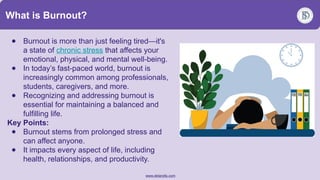
Autism and burnout intertwine in a narrative that reveals not only the visible symptoms but also the undercurrents of lived experience that often go unspoken. The phenomenon of autistic burnout has garnered increasing attention in recent years, marked by a complex array of emotional, cognitive, and physical exhaustion. Yet beyond the surface, there exists a deeper fascination within this experience—one that speaks to the intricate interplay between neurodivergence and the relentless demands of an often counterintuitive world.
Understanding Autistic Burnout: A Multifaceted Exhaustion
Autistic burnout is not simply a phase of fatigue; it is an intense, often overwhelming depletion of energy and resilience that stems from prolonged exposure to stressors unique to those on the autism spectrum. Unlike typical burnout encountered in high-pressure jobs or lifestyles, autistic burnout encompasses an accumulation of sensory overload, social strain, and the constant effort to mask or compensate for neurodivergent traits. The consequences are profound: diminished executive functioning, increased sensitivity to stimuli, and a marked withdrawal from social and occupational engagements.

Recognition is crucial. Individuals experiencing autistic burnout often report an erosion of coping mechanisms, a stark contrast to their previous baseline functioning. This decline manifests as challenges in daily routines, impaired communication, and heightened anxiety or depression. Such symptoms reveal why burnout in autistic individuals cannot be neatly categorized or dismissed as simple tiredness.
Contributing Factors: Why Does Autistic Burnout Occur?
The genesis of autistic burnout is multifactorial, but common threads weave a broader tapestry of environmental and internal pressures. Sensory hypersensitivity, a hallmark of autism, means that ordinary stimuli—background noise, bright lighting, or tactile sensations—can become overwhelming. When compounded by social expectations, constant need for adaptation, and possible co-occurring mental health conditions, the resultant strain is magnified.
Moreover, the concept of “masking” or camouflaging autistic traits to conform to societal norms exacerbates burnout. This phenomenon requires sustained cognitive and emotional labor, as individuals consciously suppress natural behaviors and impose neurotypical standards upon themselves. Over time, this relentless self-monitoring fosters a profound dissonance between internal identity and external presentation, precipitating exhaustion on multiple levels.
Recognizing the Signs: Early Detection and Validation
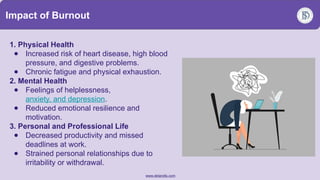
Early identification of autistic burnout is pivotal for effective intervention and recovery. The signals, while diverse, share commonality in their intensity and duration. Affective changes such as pervasive irritability, emotional numbness, or increased meltdowns demand attention. Cognitive symptoms including brain fog, diminished concentration, and forgetfulness further signal a breakdown in mental endurance.
These changes often coexist with exacerbated sensory sensitivities, prompting withdrawal from previously manageable environments. Physical manifestations—chronic fatigue, headaches, gastrointestinal disturbances—underscore the somatic dimension of burnout. Recognition affirms the individual’s experience, validating their struggles and dismantling stigma that may prevent seeking support.
The Path to Recovery: Strategies Rooted in Compassion and Individuality
Recovery from autistic burnout requires a holistic approach, emphasizing rest, self-compassion, and the recalibration of expectations. Importantly, it involves dismantling the relentless pace imposed externally and internally. Creating an environment that prioritizes sensory safety—dimmed lighting, reduced noise, and tactile comforts—can markedly alleviate ongoing stress.
Equally vital is the unlearning of masking behaviors by embracing authentic self-expression, even if it diverges from neurotypical norms. Therapeutic modalities, whether occupational therapy, counseling with clinicians versed in neurodiversity, or peer support groups, play an instrumental role. These spaces empower individuals to navigate their experiences without judgment, equip them with coping strategies tailored to their unique needs, and advocate for accommodations that respect their neurology.
A Call for Societal Awareness and Structural Change
Beyond individual efforts lies the imperative for society to cultivate understanding and inclusivity. Workplaces, educational institutions, and healthcare systems must reconceptualize disability and neurodiversity not as deficits but as natural variations requiring nuanced accommodation. Awareness of autistic burnout pushes this agenda forward, challenging pervasive misconceptions and fostering environments where autistic individuals can thrive sustainably.
This societal shift involves educating allies and professionals on the signs, impacts, and recovery nuances of autistic burnout. It also necessitates policy changes that support flexible work arrangements, sensory-friendly design, and mental health resources attuned to neurodivergent experiences. When society embraces these principles, the cycle of burnout can be interrupted, facilitating not just survival but flourishing.

In closing, the intersection of autism and burnout reveals a profound narrative about the human condition—about resilience, identity, and the quest for harmony in a world that often demands conformity. Recognizing the depth and breadth of autistic burnout transforms it from a misunderstood affliction into a call for empathy, awareness, and transformation. The journey through burnout is arduous, but with informed support and societal change, it becomes a passage toward renewed self-acceptance and empowerment.












