Autism in adults remains a topic teeming with complexity and subtlety, often shrouded in misconceptions and unrecognized nuances. While autism spectrum disorder (ASD) is frequently identified and discussed in childhood, many adults find themselves navigating a labyrinth of experiences without formal diagnosis or adequate support. This common observation stems from a historical focus on pediatric assessment—yet beneath the surface lies a growing fascination with adult autism, revealing profound intricacies in human neurodiversity and the adaptive mechanisms that remarkable adults develop over time.
The Subtle Signatures of Autism in Adults
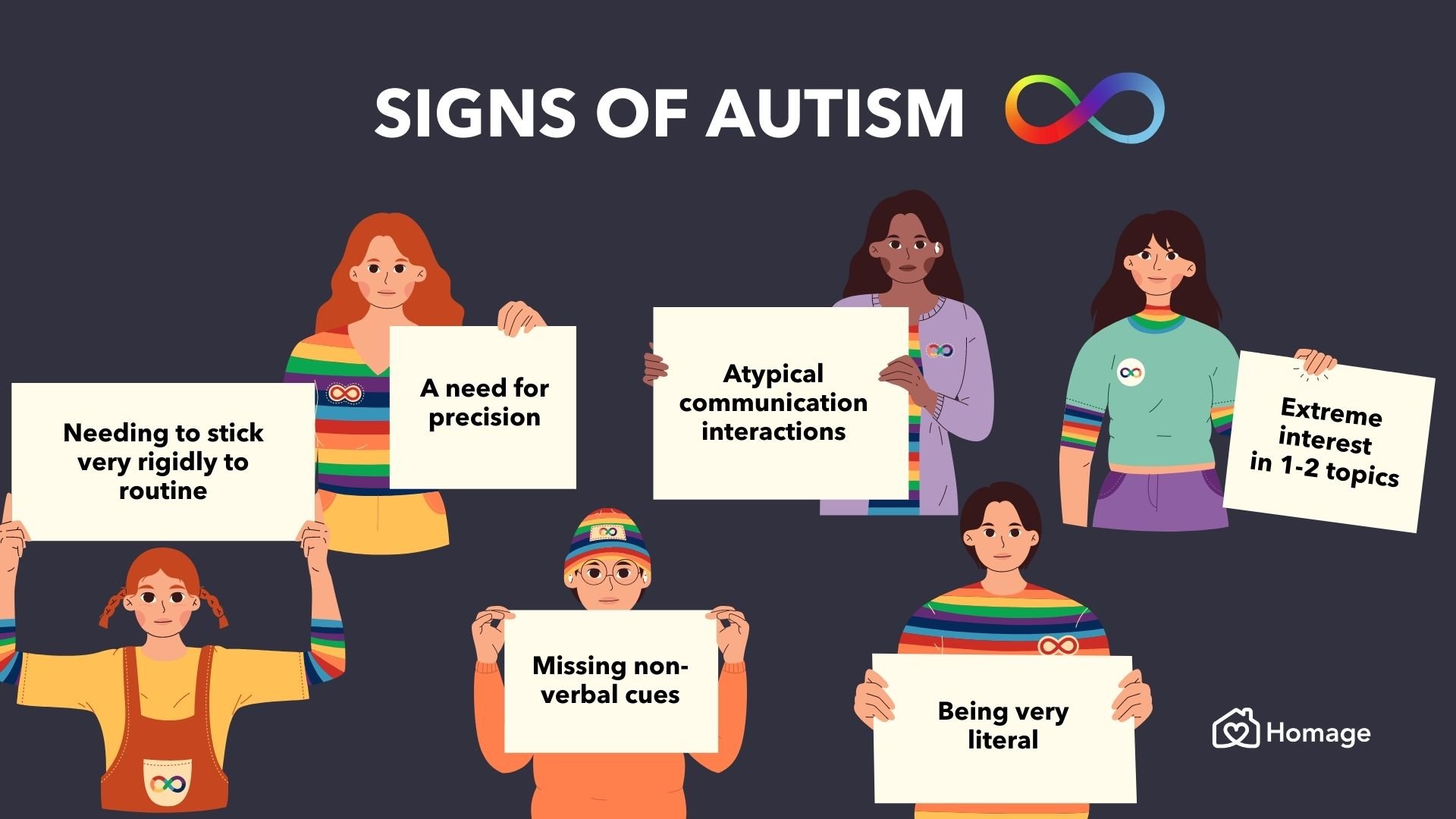
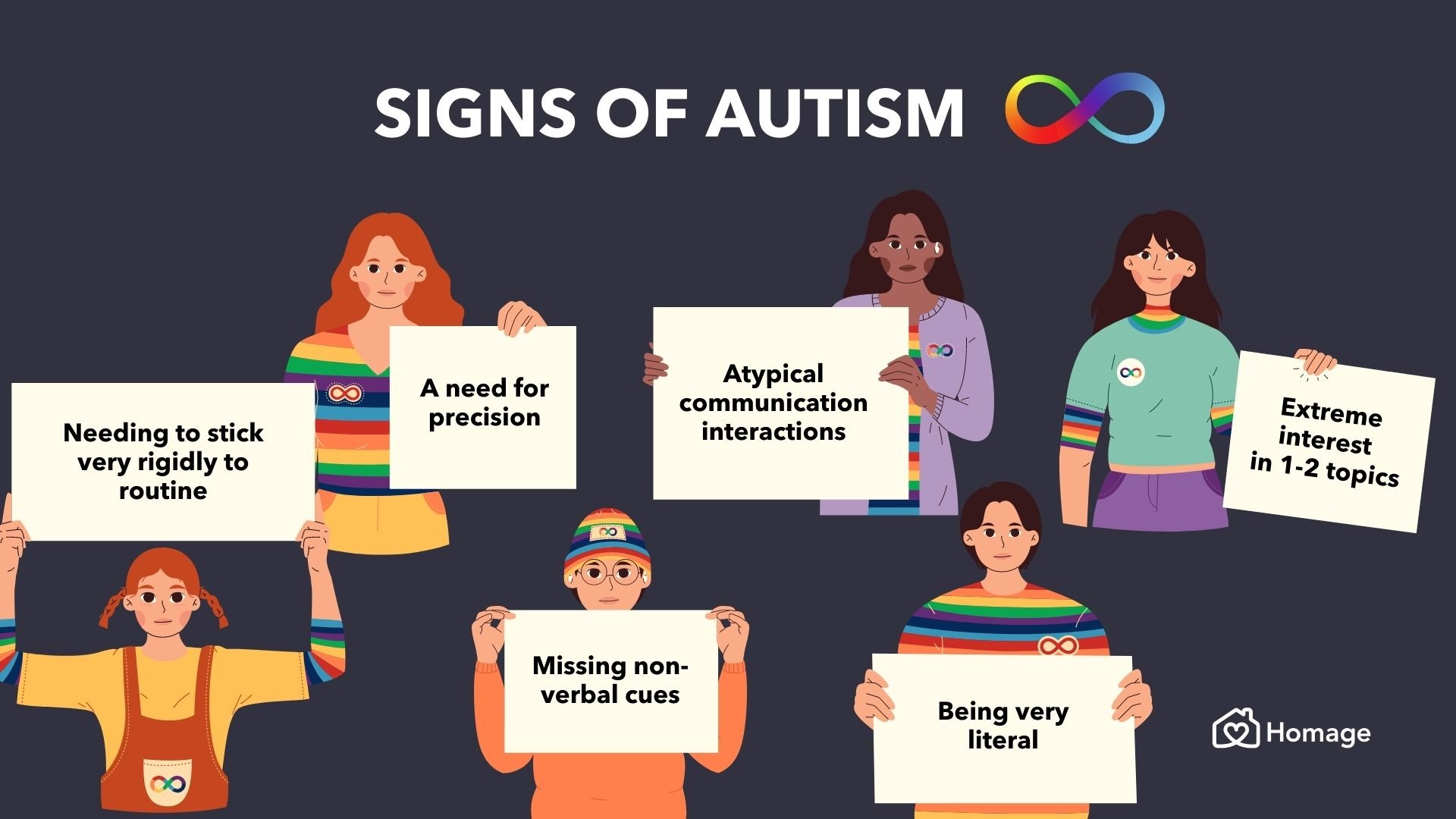
Unlike in childhood, where developmental milestones and behavioral markers are more conspicuous, identifying autism in adults demands a discerning eye attuned to subtleties. Adults with autism frequently exhibit traits such as social communication challenges, heightened sensitivity to sensory stimuli, and a predilection for routine and predictability. Yet these manifestations are often camouflaged by learned social strategies, masking an underlying neurodivergence.
This masking phenomenon—a form of social mimicry—is a double-edged sword. On one hand, it allows adults to function seemingly seamlessly within societal norms. On the other, it exacts a hefty toll on mental health, contributing to increased rates of anxiety, depression, and burnout. A deeper appreciation for these concealed signatures fosters empathy and supports more sensitive approaches to diagnosis and care.

Diagnosis: Navigating the Adult Autism Spectrum
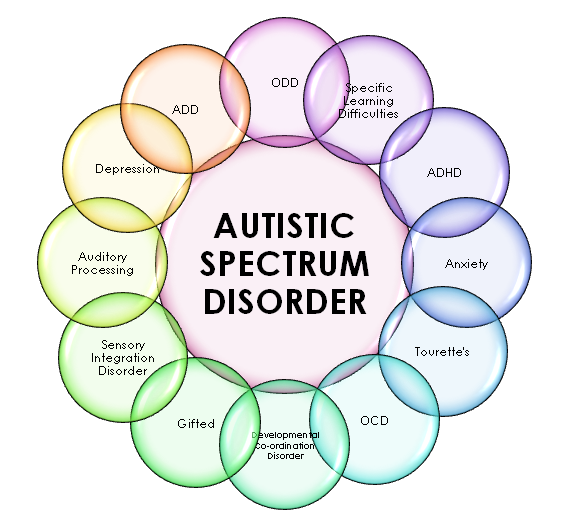
The path to an autism diagnosis in adulthood poses unique challenges. Adults may have spent decades undiagnosed, often misinterpreting their experiences or receiving alternative explanations for their difficulties. Cognitive heterogeneity within the spectrum further complicates recognition—some adults exhibit exceptional intellectual capabilities alongside social difficulties, while others might have co-occurring conditions that obscure the autistic profile.
Diagnostic assessments for adults incorporate comprehensive clinical interviews, standardized questionnaires, and often collateral reports from close acquaintances. These tools delve into a person’s developmental history, current functioning, and sensory preferences. However, the endeavor remains fraught with limitations, including a paucity of practitioners specialized in adult autism and cultural biases that influence the expression and perception of autistic traits.
Unraveling the Complex Support Needs
Support for autistic adults transcends mere clinical intervention. It is an odyssey into personalized accommodation, community integration, and empowerment. Many adults on the spectrum confront obstacles such as employment challenges, social isolation, and sensory overwhelm in daily environments. Effective support paradigms emphasize strengths-based approaches, leveraging an individual’s unique talents while mitigating barriers.
Employment support programs, for instance, tailor job coaching to illuminate practical skills and foster workplace inclusiveness. Sensory-friendly modifications create environments where sensory sensitivities do not become debilitating. Furthermore, peer networks and advocacy groups provide critical social scaffolding, nurturing a sense of belonging and self-advocacy prowess.
The Broader Implications of Adult Autism Awareness
The evolving recognition of autism in adults has considerable implications beyond individual diagnosis and support. It challenges societal paradigms about neurodiversity and prompts a reevaluation of what constitutes ‘normal’ cognition and behavior. With increased awareness, there emerges a consequential push for systemic adaptations in healthcare, employment, and education sectors to accommodate and celebrate neurodiversity.
This emerging paradigm fosters inclusivity and destigmatizes differences that once fostered marginalization. It also encourages research into lifelong developmental trajectories associated with autism, thus illuminating pathways to enhance quality of life through tailored interventions and informed public policy.
Conclusion: Embracing the Complex Tapestry of Autism in Adults
Autism in adults is not merely a clinical diagnosis—it is a profound narrative about human variation, resilience, and the quest for understanding. Recognizing the distinctive signs, pursuing thoughtful diagnosis, and implementing comprehensive support systems enrich the lives of autistic adults and the wider communities they inhabit. This journey moves beyond simplistic labels, embracing the full complexity and dignity of neurodiverse adults. As fascination with this topic deepens, society stands to gain a more authentic and inclusive grasp of the myriad ways humans experience and interpret the world around them.