Could something as invisible and omnipresent as the air we breathe be silently sculpting the neurological destinies of future generations? This tantalizing question has emerged at the crossroads of environmental science and neurodevelopmental research, centering on a potential but elusive interplay: the link between autism spectrum disorder (ASD) and air pollution. As societies grapple with urban expansion and industrial byproducts, unraveling whether pollution extends its tentacles into developmental complexities is paramount.
The Evolving Landscape of Autism Spectrum Disorder
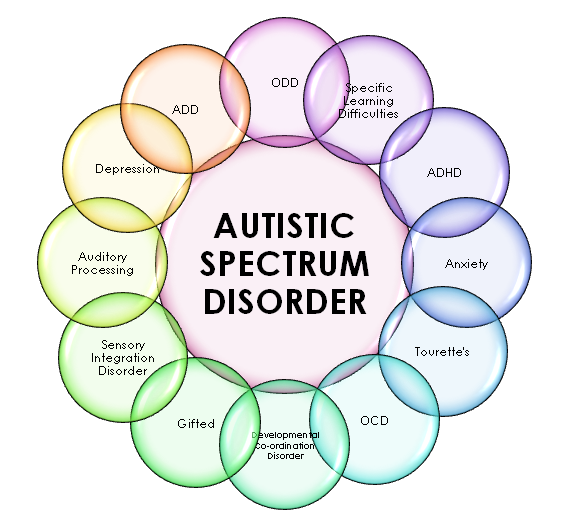
Autism Spectrum Disorder encapsulates a broad range of neurodevelopmental variations characterized by challenges in social interaction, communication, and repetitive behaviors. The heterogeneity of ASD is both a scientific labyrinth and a clinical puzzle, with etiological roots spanning genetic predispositions to environmental contributors. While genetics illuminate portions of this intricate tapestry, they do not answer all questions, prompting researchers to explore how prenatal and early life environmental factors might color the neurodevelopmental canvas.
Air Pollution: An Omnipresent Environmental Challenge
Air pollution, an ubiquitous byproduct of combustion engines, industrial activity, and urbanization, consists of a complex amalgam of particulate matter (PM), nitrogen oxides, sulfur dioxide, ozone, and volatile organic compounds. These microscopic pollutants permeate the atmosphere, often infiltrating human respiratory systems and, more insidiously, crossing biological barriers to influence systemic health. Their impact on cardiopulmonary diseases is well-documented, but what about their role in neurodevelopment? This question invites a closer examination.

Bridging Environmental Exposure and Neurodevelopmental Outcomes
The developmental stages, particularly prenatal and early postnatal periods, represent windows of heightened vulnerability where the brain undergoes rapid growth and intricate wiring. Neurotoxic agents present in polluted air can induce oxidative stress, neuroinflammation, and disruptions in neurotransmitter systems — mechanisms hypothesized to perturb typical neural maturation. Speculatively, these perturbations could manifest as increased susceptibility to neurodevelopmental disorders including ASD.
Empirical Evidence: Parsing the Data
Emerging epidemiological studies suggest a correlative association between maternal exposure to high levels of air pollution and an elevated risk of offspring manifesting autism-related traits. Investigations employing sophisticated exposure modeling have revealed that proximity to traffic-related air pollutants during critical gestational windows correlates with heightened ASD diagnosis rates. Although not definitive, the reproducibility of these findings across diverse cohorts underscores a signal warranting deeper inquiry.
Nonetheless, the methodologies face challenges such as controlling for confounding variables including socioeconomic status, genetic factors, and urban density—all influencers of both pollution exposure and ASD prevalence patterns. Therein lies the methodological conundrum: disentangling intertwined factors to isolate the purview of air pollution’s impact.
Biological Pathways: How Might Air Pollution Influence Autism Risk?
Investigations at the cellular and molecular level propose several plausible pathways. Ultrafine particles may translocate from maternal inhalation to the placenta, inducing localized inflammation and oxidative stress, thereby altering fetal brain milieu. Moreover, systemic maternal inflammation has been implicated in altering neural developmental trajectories, potentially priming the fetus towards neurodevelopmental anomalies.
Another dimension involves epigenetic modulation—airborne pollutants may engender epigenetic changes that alter gene expression patterns pivotal to neural development. This form of gene-environment interaction opens an enigmatic chapter in understanding ASD etiology where environment acts not merely as a trigger but as a sculptor of developmental fate.
Limitations and the Nuances of Interpretation
Despite compelling associations, causality remains a scientific mirage. The complexity of ASD phenotypes and the multitude of environmental exposures present a formidable barrier to unequivocal conclusions. Furthermore, heterogeneous pollutant compositions, variable exposure timings, and divergent genetic backgrounds contribute to inconsistent findings.
Moreover, the reliance on retrospective analyses and ambient pollution measurements rather than personalized exposure data limits precision. The intricate endeavor necessitates longitudinal investigations with granular exposure profiling, coupled with integrated genetic and epigenetic analyses.

Implications for Public Health and Policy
If substantiated, the link between air pollution and autism risk would transcend academic curiosity, posing significant public health implications. Preventive strategies could pivot towards minimizing pregnant women’s exposure to polluting agents, optimizing urban planning, and enforcing stricter air quality regulations—actions that reverberate beyond neurodevelopmental health to general well-being.
Furthermore, it prompts a reevaluation of environmental justice, as marginalized communities frequently endure disproportionate exposure to pollution sources, compounding health disparities, and developmental risks. The intersection of environmental policy and neurodevelopmental health thus represents a frontier demanding proactive stewardship.
Looking Ahead: The Trajectory of Research
Future investigations necessitate interdisciplinary collaboration encompassing epidemiology, neuroscience, toxicology, and molecular biology. Leveraging advancements in exposomics and biomarker detection offers the potential to decode complex gene-environment interactions with unprecedented clarity. In parallel, integrating animal model research to experimentally validate mechanistic hypotheses could solidify causal inferences.
Ultimately, illuminating this potential nexus between air pollution and autism lies at the heart of safeguarding neurodevelopmental health amidst shifting environmental landscapes.

In sum, the possibility that the ambient air enveloping pregnant individuals may influence the neurological trajectory of their offspring transforms a silent environmental presence into a subject of urgent scrutiny. While mysteries persist, the pursuit to unravel this link calls for a melding of scientific rigor and public consciousness. It challenges us to rethink air not just as a life-sustaining element, but also as a factor in the intricate architecture of the human mind.