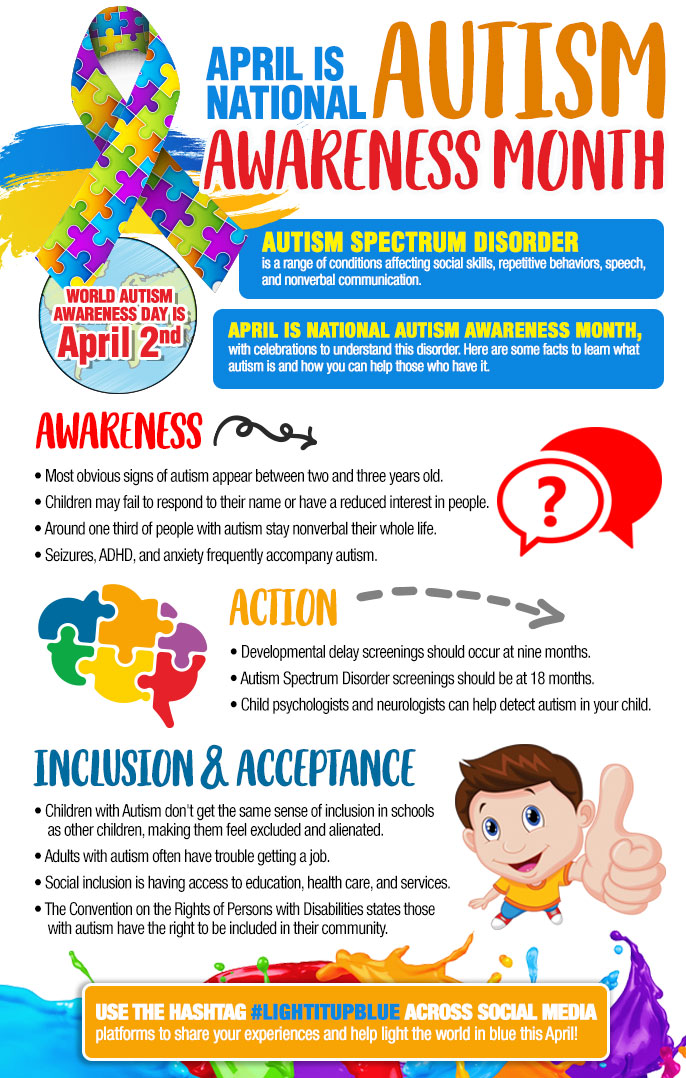
Each April, the world turns its focus toward a transformative social commitment known as Autism Awareness Month — a dedicated period that invites society to reconsider prevailing narratives, champion inclusion, and embrace the extraordinary diversity of human neurology. Far from mere acknowledgment, this month promises a profound shift in perspective, compelling communities to transcend misconceptions and embrace the nuanced realities of autistic individuals. The question then emerges: how can one genuinely engage with this movement in a manner that informs, empowers, and uplifts?
Unveiling Autism: Beyond Stereotypes and Simplistic Labels
Autism, often misunderstood and misrepresented, is not a monolith but a spectrum encompassing a kaleidoscope of experiences, behaviors, and challenges. The prevailing societal views frequently skew toward reductive clichés — portraying autism solely through the lens of deficits or exceptional abilities — neither of which captures the fullness of autistic lives. Engaging with Autism Awareness Month beckons us to discard these oversimplifications. It requires curiosity fueled by empathy and a willingness to listen deeply to autistic voices themselves. Only by embracing the heterogeneity inherent in autism can we redefine the conversation and cultivate a genuine appreciation of neurodiversity.

Educational Endeavors: Learning as a Catalyst for Change
Meaningful involvement begins with informed engagement. Educational initiatives— ranging from structured workshops to informal community talks — serve as vital platforms for dissipating ignorance and dismantling stigma. By actively seeking out reputable resources, individuals can grasp not only medical or clinical perspectives but also the intricate social and emotional dimensions of autism. Schools, workplaces, and grassroots organizations often spearhead these efforts, promoting inclusivity through curriculum adaptations and sensitivity training. The acquisition of knowledge acts as a cornerstone, fostering an environment where autistic individuals feel acknowledged and valued, not merely tolerated.
Participate in Awareness Activities: From Symbolic Gestures to Impactful Actions
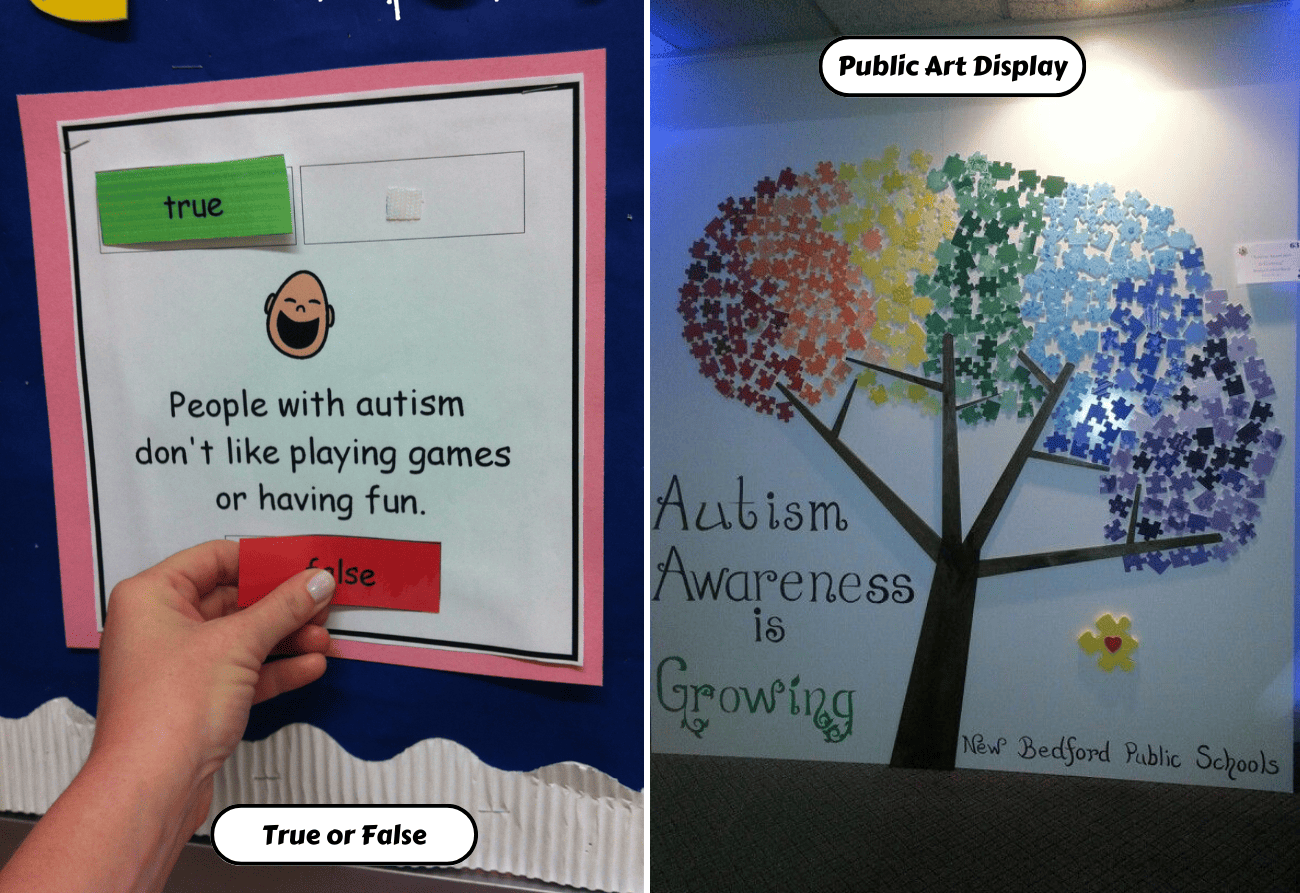
Participation in world-wide activities elevates communal solidarity and signals support in a visible, unified manner. While wearing puzzle piece pins or donning the signature blue light during “Light It Up Blue” campaigns might appear symbolic, such actions ignite curiosity and open dialogues. However, the depth of impact expands significantly when symbolic participation dovetails with concrete actions—like advocating for policy reforms, supporting autism-friendly programs, or volunteering with local organizations. Activities can span a wide spectrum: from hosting educational panels, engaging in sensory-friendly events, to creating inclusive art installations. Every act contributes to reframing autism not as a limitation but as an integral aspect of human diversity deserving celebration and respect.
Advocacy and Allyship: Beyond Awareness Toward Inclusion
True awareness demands evolution into advocacy. Allyship involves amplifying autistic perspectives in decision-making spaces—from educational reform to workplace accommodations. It requires vigilance against ableism and proactive measures to eliminate barriers that hinder full participation in society. Becoming an effective ally may include mentoring autistic youth, promoting neurodiverse hiring practices, and ensuring accessibility in community spaces. This transformational role transcends passive sympathy, morphing into active partnership that honors autonomy and dignity. Constructive advocacy reshapes societal frameworks, embedding neurodiversity as a valued norm rather than an exception.
The Digital Realm: Harnessing Online Platforms for Amplification
In an interconnected era, digital platforms have become pivotal venues for awareness-raising and community-building. Social media campaigns, webinars, and virtual symposiums allow an unprecedented reach, connecting global audiences with authentic stories and educational content. Harnessing these tools responsibly involves leveraging the voices of autistic creators and experts, thereby ensuring content reflects lived realities rather than externally imposed narratives. By sharing thoughtful posts, engaging in online forums, or contributing to digital fundraising efforts, individuals can expand the movement’s visibility exponentially. Moreover, this democratization of information nurtures solidarity that transcends geographical and cultural boundaries.
Fostering Empathy in Everyday Interactions
Autism Awareness Month is not confined to a calendar window or organized events; it also permeates the mundane moments of daily life. Cultivating empathy starts with patience, listening beyond words, and adjusting expectations to meet diverse communicative styles. Whether in a classroom, workplace, or public space, small changes in approach—such as simplifying language, respecting sensory sensitivities, or providing clear instructions—can radically improve autistic individuals’ experiences. This empathic orientation not only benefits neurodivergent persons but enriches society at large by modeling kindness and flexibility.
Supporting Research and Community Resources
Financial contributions to organizations focused on autism research and community support act as a concrete avenue for involvement. Funding advances scientific understanding of autism’s etiology, improving intervention methods while respecting neurodivergent autonomy. Simultaneously, investment in community programs provides vital services—from early childhood support to adult employment initiatives—bridging gaps often overlooked by public policy. This dual commitment nurtures a comprehensive ecosystem that emboldens autistic people and families to thrive on their own terms.
Autism Awareness Month presents a unique invitation to look beyond the superficial and embrace a profound reimagining of how society perceives and interacts with neurodiversity. Engagement can take many forms, each contributing an indispensable thread to the tapestry of inclusion. Whether through education, advocacy, digital outreach, or compassionate day-to-day practices, the promise of this month lies in its capacity to catalyze lasting transformation — fostering a world where autism is understood not merely as a diagnosis, but as a vibrant aspect of the human condition deserving of respect, curiosity, and celebration.