Imagine navigating two distinct yet intertwined rivers—each carving its own path through rugged terrain, yet occasionally merging in unforeseen confluences. Autism Spectrum Disorder (ASD) and Attention Deficit Hyperactivity Disorder (ADHD) are much like these rivers, each with unique currents and characteristics, yet sharing overlapping qualities that can perplex even the most seasoned mental health explorers. Understanding these neurodevelopmental conditions requires peeling back layers of behaviors, cognitive patterns, and sensory experiences, revealing a complex dance of divergence and convergence.
Unraveling the Currents: Defining Autism Spectrum Disorder
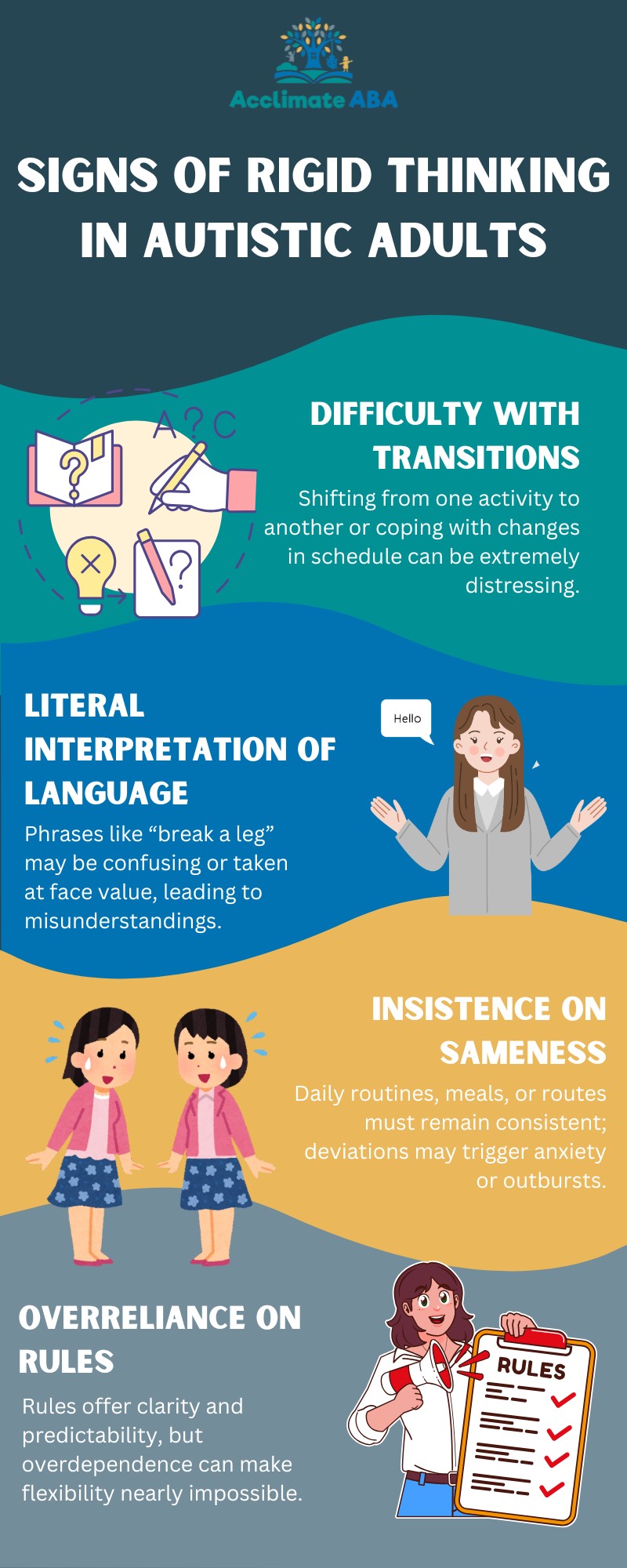
Autism, often described as a spectrum, reflects a constellation of neurodevelopmental traits that influence communication, social interaction, and repetitive behaviors. It is akin to a kaleidoscope where each twist reveals an altered pattern—no two individuals present identically. Challenges with social reciprocity, intense focus on specific interests, and sensitivity to sensory stimuli form hallmark traits of autism. Cognitive processing in autism frequently follows a divergent path, emphasizing detail-oriented thinking and a preference for predictability.
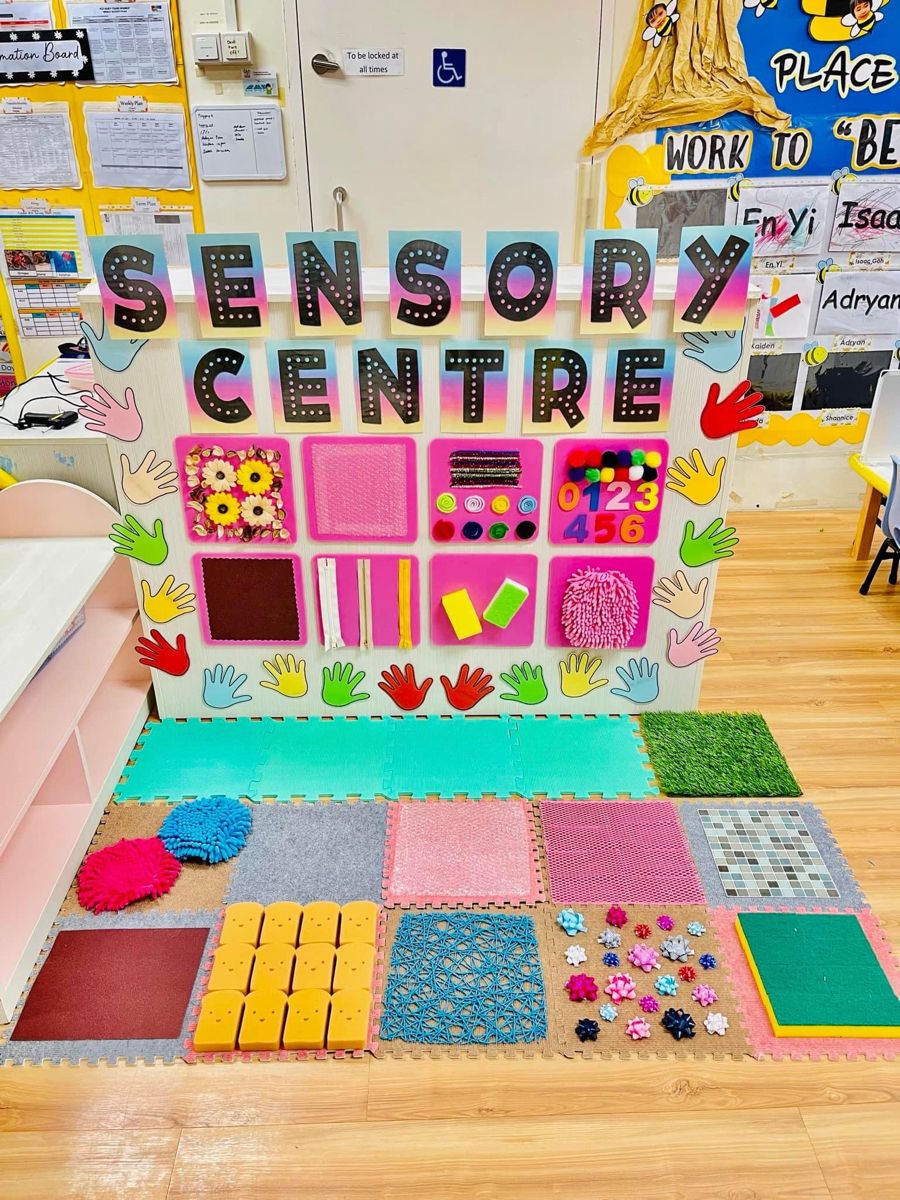
The sensory landscape for many with autism is remarkably vivid. Everyday sounds or tactile encounters can cascade into overwhelming experiences, illustrating the profound divergence in neural processing. This sensory dysregulation often incites behaviors aimed at self-soothing or establishing routine—ritualistic patterns that carve comfort out of chaos.
The Rapid River: Defining Attention Deficit Hyperactivity Disorder
ADHD flows with a dynamic, restless current—marked by inattention, hyperactivity, and impulsivity. It is often likened to a mental restlessness, a rapid river of thoughts and actions that challenge the individual’s ability to sustain focus or sit still. Unlike autism’s deep dives into specific interests, ADHD is characterized by a broad, sometimes scattershot engagement with the world.
This condition presents as a triad of symptoms: inattentiveness, hyperactivity, and impulsivity. Inattention manifests as difficulty sustaining focus, organizing tasks, or following through on instructions. The hyperactivity component breeds a ceaseless internal and external motion—fidgeting, excessive talking, or an inability to remain seated. Impulsivity predisposes individuals to actions without forethought, significantly impacting social and academic domains.

The Intersection: Overlapping Features of Autism and ADHD
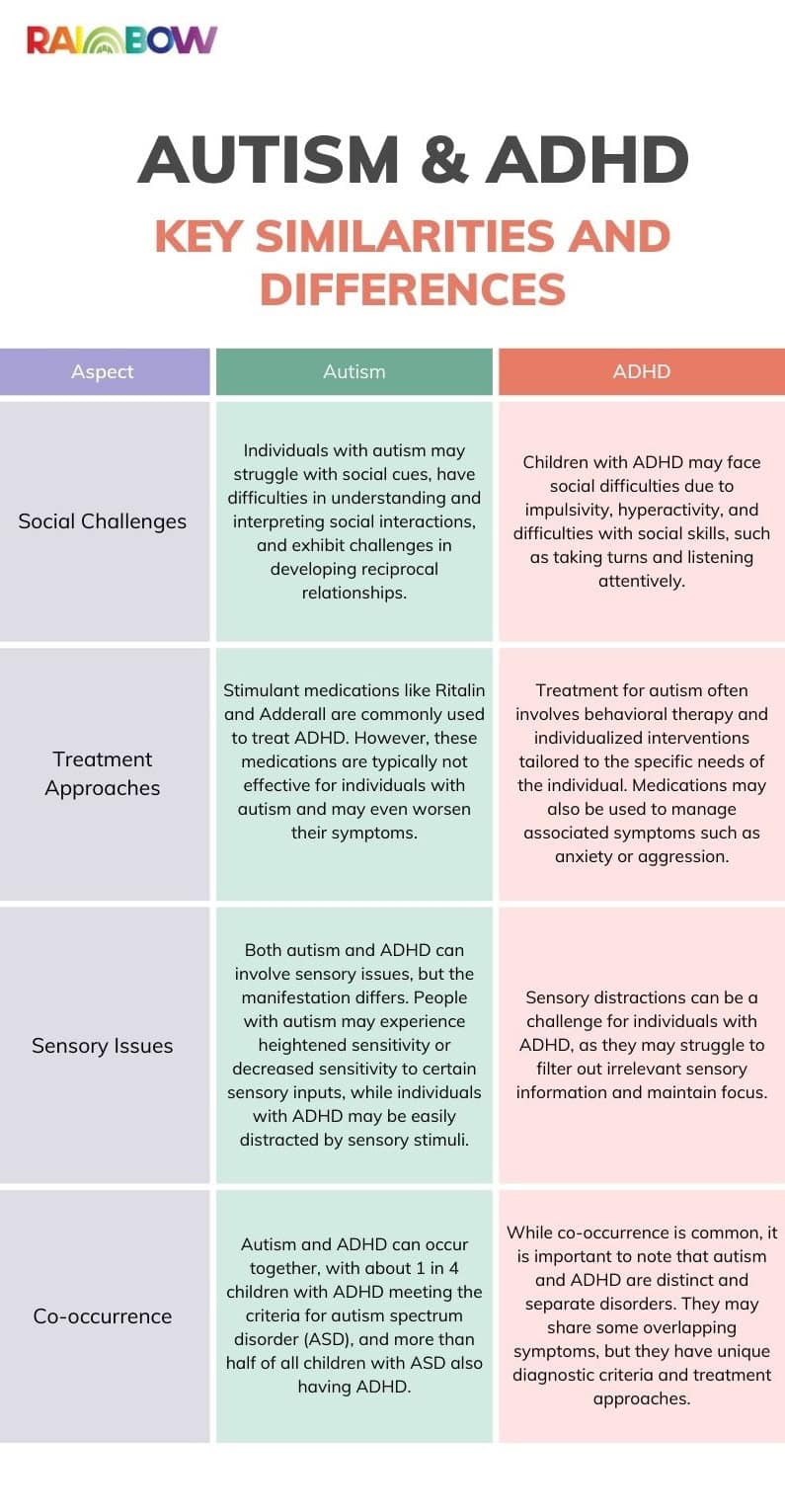
Where might these two rivers entwine? Both conditions share threads of executive functioning deficits, which pertain to skills like planning, organizing, and impulse control. Difficulty with attentional regulation is a shared hallmark, though stemming from distinct underlying mechanisms. Many individuals with autism exhibit challenges in shifting attention flexibly, while those with ADHD struggle with sustaining focus and managing competing stimuli.
Social difficulties, another commonality, manifest divergently yet with overlapping impact. Autism’s social challenges may be rooted in difficulties interpreting social cues and theory of mind deficits—understanding others’ perspectives. Meanwhile, ADHD-driven social challenges often stem from impulsivity and inattentiveness, leading to inappropriate responses or missed social nuances.
Moreover, sensory processing irregularities permeate both conditions, though typically more pronounced in autism. Sensory overload in ADHD might appear as distractibility due to environmental stimuli, whereas in autism it frequently provokes anxiety or shutdowns, illustrating qualitative differences within a shared experience.

Delineating Diagnostic Challenges and Comorbidity
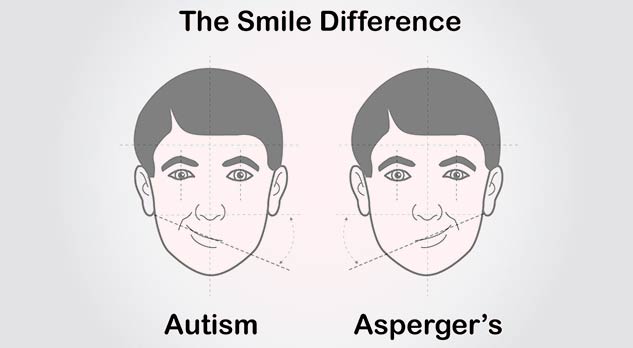
The confluence of symptoms often blurs diagnostic boundaries. Clinicians face an intricate puzzle because individuals can present with autism and ADHD concurrently—an acknowledgment only recently embraced within diagnostic manuals. The coexistence of these conditions complicates clinical interpretation and necessitates comprehensive evaluation. Misdiagnosis, or partial diagnosis, remains a pitfall, delaying appropriate intervention.
Diagnostic overshadowing—where symptoms of one disorder mask the presentation of the other—can lead to incomplete treatment plans. For example, repetitive behaviors in autism might be misunderstood as hyperactivity, or inattentiveness in ADHD may overshadow subtle social communication challenges indicative of autism. Precise identification is critical, as tailored interventions hinge on understanding the nuanced differences and overlapping features.
Unique Appeal and Strengths within Each Neurodiversity
Beyond the challenges, both autism and ADHD confer unique strengths that enrich human diversity. The autistic mind often excels in pattern recognition, detail orientation, and deep knowledge acquisition. This intense focus nurtures expertise and innovation in myriad fields, from mathematics to creative arts.
Conversely, ADHD bestows a form of restless creativity and spontaneity. The ability to rapidly switch focus, combined with high energy, can fuel out-of-the-box thinking and adaptability—qualities revered in dynamic problem-solving contexts. Individuals with ADHD often bring infectious enthusiasm and resilience, navigating the unpredictable tides of daily life with vigor.
Understanding these conditions beyond deficits, appreciating their distinctive allure, invites a more inclusive perspective. It challenges societal norms to embrace difference as a catalyst for innovation and empathy.
Strategies for Support and Flourishing
Effective support recognizes the delicate interaction between similarities and differences. Tailored interventions for autism emphasize social communication training, sensory integration therapies, and structured routines. In contrast, ADHD management frequently incorporates behavioral strategies, executive function coaching, and sometimes pharmacological treatment.
Educational and occupational accommodations foster a nurturing environment. These include clear instructions, reduced distractions, and opportunities to harness individual strengths. Building self-awareness and advocating for neurodiverse identities empower affected individuals to navigate their worlds confidently.
Interdisciplinary care, combining psychological, educational, and medical expertise, emerges as the optimal approach. It recognizes that the terrain these rivers traverse is complex and ever-changing, requiring nuanced navigation rather than rigid pathways.
In conclusion, understanding autism and ADHD involves appreciating two unique and fascinating neurodevelopmental currents with shared tributaries. Their distinctive features and overlaps compel us to reconsider simplistic categorizations and embrace neurodiversity in all its intricate beauty. Each condition, with its mosaic of challenges and strengths, amplifies the richness of human cognition and experience—reminding us that the confluence of difference and commonality shapes a broader, more compassionate landscape.