Autism is not a deviation from the norm—it is a testament to the boundless spectrum of human cognition. To embrace neurodiversity is to acknowledge that the mind is not a monolith, but a mosaic of perspectives, each contributing uniquely to the tapestry of society. The right to be different is not a concession; it is a celebration of the inherent richness of human diversity. In a world that often measures success by conformity, autism challenges us to redefine what it means to thrive. It invites us to dismantle the illusion of a single “correct” way of thinking and instead, to cultivate environments where every mind can flourish on its own terms.
Yet, this journey begins with understanding. Autism is not a monolithic experience—it is a constellation of traits, strengths, and challenges that manifest differently in every individual. Some may excel in pattern recognition, while others navigate the world with heightened sensory sensitivities. The key lies not in forcing uniformity, but in recognizing the value of these differences. When we shift our perspective from “fixing” to “facilitating,” we unlock the potential of neurodivergent individuals to contribute in ways that are as profound as they are unexpected.

The Spectrum of Autism: Beyond the Stereotypes
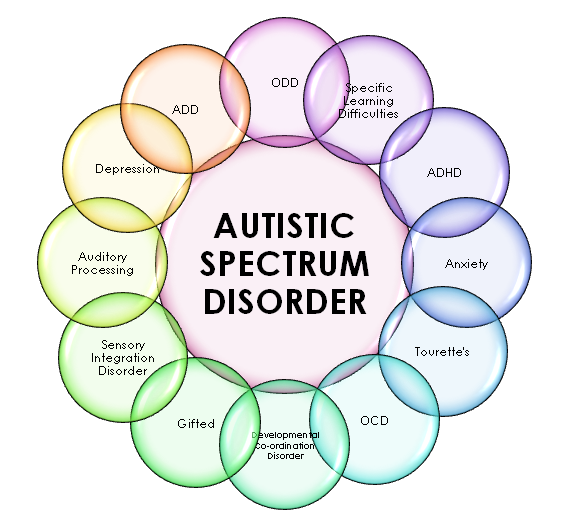
Autism is often misunderstood as a rigid, one-dimensional condition, but in reality, it spans a vast spectrum where each individual’s experience is as unique as a fingerprint. The traditional view of autism as a deficit—marked by social withdrawal or communication difficulties—fails to capture the full breadth of its manifestations. In truth, autism encompasses a wide range of cognitive styles, from the analytical precision of a detail-oriented thinker to the creative intuition of someone who perceives the world in vivid, unconventional ways.
Consider the individual who thrives in structured, repetitive tasks, finding solace in the predictability of routines. For them, the world is a puzzle where each piece fits neatly into place. Contrast this with the autistic mind that perceives patterns invisible to others, solving complex problems with an almost instinctive fluency. These are not flaws to be corrected, but facets of a cognitive diversity that has shaped human innovation throughout history. From the mathematical geniuses who revolutionized technology to the artists who redefined visual storytelling, neurodivergent individuals have left indelible marks on culture and progress.
Yet, the spectrum is not without its challenges. Sensory sensitivities, for instance, can turn a bustling marketplace into an overwhelming labyrinth of noise and light. Social interactions, often taken for granted by neurotypical individuals, may require deliberate effort and strategy for someone on the spectrum. These challenges are real, but they are not insurmountable. With the right support—whether through assistive technologies, sensory-friendly environments, or empathetic communication—autistic individuals can navigate the world with confidence and autonomy.
Neurodiversity in the Workplace: Redefining Productivity
The modern workplace is a crucible of innovation, but it is also a space where conformity is often mistaken for competence. Traditional corporate cultures prioritize extroversion, rapid-fire communication, and rigid hierarchies—traits that may not align with the strengths of neurodivergent individuals. Yet, when companies embrace neurodiversity, they unlock a wellspring of untapped potential. Autistic employees often bring unparalleled focus, exceptional attention to detail, and a propensity for deep, sustained concentration on tasks that interest them.
Companies like SAP, Microsoft, and JPMorgan Chase have pioneered neurodiversity hiring programs, recognizing that diverse cognitive styles drive creativity and problem-solving. These initiatives go beyond mere inclusion—they redefine what productivity looks like. For instance, an autistic software engineer may approach coding with a methodical precision that reduces errors, while a neurodivergent designer might perceive user experience in ways that elude traditional market research. The result? Products and services that resonate more deeply with a broader audience.
However, fostering neurodiversity in the workplace requires more than just hiring policies. It demands a cultural shift. Open communication, flexible work arrangements, and sensory-friendly office designs are critical. Managers must be trained to recognize and accommodate different communication styles, whether that means providing written instructions instead of verbal ones or allowing for quiet reflection periods. The goal is not to mold neurodivergent employees into a neurotypical mold, but to create an environment where their strengths can flourish without suppression.

The Role of Education: Nurturing Diverse Learners
Education systems, by design, have long favored a one-size-fits-all approach, where standardized testing and rigid curricula determine success. Yet, this model overlooks the fact that learning is not a linear process. Autistic students, in particular, often thrive in environments that cater to their unique cognitive styles. For some, hands-on, experiential learning unlocks their potential, while others excel in subjects that align with their hyperfocus—an intense, sustained concentration on a specific interest. The challenge lies in shifting from a deficit-based model to one that celebrates these differences.
Inclusive education begins with flexibility. Project-based learning, where students explore topics through real-world applications, can engage autistic learners in ways that traditional lectures cannot. Visual aids, such as diagrams and infographics, often resonate more deeply than verbal explanations. Additionally, providing quiet spaces for students to decompress can mitigate sensory overload, allowing them to re-engage with the material on their own terms. The goal is not to dilute the curriculum, but to present it in a way that is accessible and meaningful to every learner.
Teachers play a pivotal role in this transformation. Professional development programs that focus on neurodiversity can equip educators with the tools to recognize and nurture diverse learning styles. Peer mentorship programs, where neurodivergent students are paired with supportive classmates, can foster a sense of belonging and reduce social isolation. Ultimately, education should not be about conformity—it should be about empowerment, equipping students with the skills and confidence to navigate the world as their authentic selves.
Societal Perceptions: From Stigma to Celebration
The narrative surrounding autism has long been dominated by misconceptions—portrayals that reduce individuals to stereotypes of either the “genius savant” or the “socially inept outcast.” These reductive tropes not only distort reality but also perpetuate stigma. The truth is far more nuanced: autism is a complex interplay of strengths and challenges, and no single narrative can encapsulate its diversity. Shifting societal perceptions requires a concerted effort to amplify authentic voices—autistic individuals who can speak to their own experiences, rather than being spoken for by others.
Media representation plays a crucial role in this shift. Films, television shows, and literature that depict autistic characters with depth and authenticity can challenge preconceived notions. Characters like Julia from *Sesame Street* or Christopher Boone from *The Curious Incident of the Dog in the Night-Time* offer glimpses into the lived experiences of neurodivergent individuals, fostering empathy and understanding. Social media platforms, too, have become powerful tools for advocacy, allowing autistic individuals to share their stories and connect with communities that validate their experiences.
Yet, the journey from stigma to celebration is ongoing. Language matters. Terms like “high-functioning” and “low-functioning” are not only outdated but also harmful, as they imply a hierarchy of worth. Instead, we should focus on describing the individual’s needs and strengths without assigning value judgments. Advocacy efforts must center on accessibility—ensuring that public spaces, digital platforms, and social interactions are designed with neurodiversity in mind. Only then can we move toward a society that not only tolerates difference but celebrates it.
Parenting and Autism: A Journey of Unconditional Love
Raising an autistic child is a journey that demands patience, resilience, and an unwavering commitment to unconditional love. For parents, the path is often paved with both profound joy and daunting challenges. The early years may be marked by sleepless nights, sensory meltdowns, and the heartache of watching your child struggle to connect with the world as others do. Yet, these challenges are not insurmountable. With the right support, autistic children can grow into adults who are not only self-sufficient but also deeply fulfilled.
The key lies in embracing the child’s uniqueness rather than attempting to “normalize” them. This means celebrating their special interests, even if they seem niche or unconventional. A child who is obsessed with dinosaurs or train schedules may grow up to be a paleontologist or an engineer. It means advocating for their needs—whether that involves occupational therapy to manage sensory sensitivities or speech therapy to enhance communication. It also means fostering a sense of community, connecting with other parents who share similar experiences, and learning from autistic adults who can offer invaluable insights.
Parents must also navigate the complex landscape of therapies and interventions, each with its own promises and pitfalls. Applied Behavior Analysis (ABA), for instance, has been both lauded for its effectiveness and criticized for its rigid approach. The debate underscores the importance of individualized care—what works for one child may not work for another. The goal should always be to empower the child, not to suppress their authentic self. Love, in this context, is not about fixing; it is about providing the tools and support that allow the child to thrive on their own terms.

The Future of Neurodiversity: A Call to Action
The movement toward neurodiversity is not just a moral imperative—it is an evolutionary one. As society becomes increasingly complex, the ability to harness diverse cognitive styles will be a defining factor in innovation and progress. Yet, this future is not guaranteed. It requires a collective commitment to dismantling barriers, challenging biases, and creating systems that are as inclusive as they are adaptive.
For policymakers, this means investing in accessible education, healthcare, and employment opportunities. For educators, it means reimagining curricula to accommodate diverse learning styles. For employers, it means fostering cultures that value difference as a driver of creativity. For communities, it means building spaces—both physical and digital—that are welcoming to all minds. And for each of us, it means embracing the radical idea that difference is not a flaw to be corrected, but a strength to be celebrated.
The right to be different is not a privilege—it is a fundamental human right. Autism, with its myriad expressions, reminds us that diversity is not a deviation from the norm, but the very essence of what makes us human. When we embrace neurodiversity, we do more than create a fairer world; we unlock the full potential of humanity itself.