Sleep is often hailed as the cornerstone of health and well-being, yet for many children on the autism spectrum, nighttime remains a battleground. The intertwining of sensory sensitivities, neurological differences, and routine disruptions can transform what should be a peaceful respite into a source of exhaustion and frustration. Yet, there lies a promising horizon — a shift in how bedtime is approached, understood, and crafted. This exploration dives deep into the nuanced world of autism and sleep, illuminating strategies that hold the potential not only for better rest but for transformed family dynamics and renewed hope.
Understanding the Unique Sleep Challenges in Autism
Sleep disturbances among children with autism are prevalent and multifaceted. Unlike typical pediatric insomnia, which may stem from anxiety or behavioral issues, sleep problems in autism often arise from intricate sensory processing disorders and atypical melatonin regulation. The circadian rhythm—the internal clock that dictates sleep-wake cycles—may operate atypically, causing delayed sleep onset or fragmented rest.
Moreover, heightened sensitivity to environmental stimuli—sounds, lights, textures—can exacerbate difficulties in settling down. Nighttime routines can be disrupted by resistance to change, hyperactivity, or emotional dysregulation. These challenges create a cascade effect, influencing daytime alertness, mood, and cognitive functioning. Recognizing the complexity embedded in autism-related sleep issues is the first step toward tailored, effective interventions.
The Power of Routine: Crafting Predictability in an Unpredictable World
Routine is more than habit—it is a sanctuary of predictability, a vital anchor in a world that may feel overwhelmingly chaotic. For autistic children, consistency in bedtime rituals offers reassurance and stability. However, routines are not one-size-fits-all; they must be thoughtfully calibrated to the child’s unique needs and preferences.
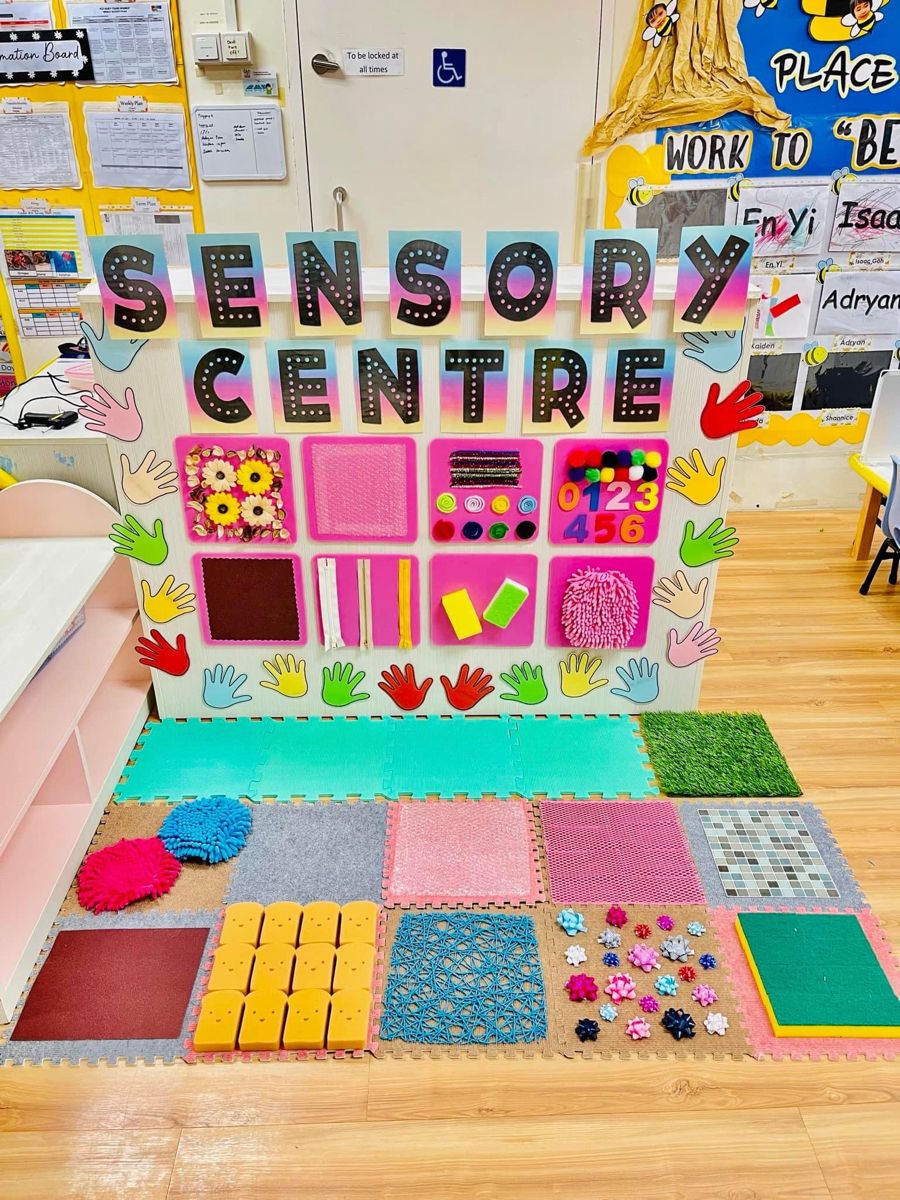
Implementing a structured yet flexible schedule that encompasses calming activities can signal the brain to transition from wakefulness to rest. This might include dimming lights gradually, engaging in quiet storytime, or gentle sensory activities such as weighted blankets or soft fabrics. These tactile experiences can soothe hypersensitive nervous systems.

Consistency is paramount, but so is patience. Sudden changes can cause distress—introducing new elements should be done gradually, paired with positive reinforcement. Over time, the ritual itself may become an anticipatory comfort, easing transitions and fostering a sense of control.
Environmental Modifications: Designing a Sleep-Conducive Sanctuary
The bedroom environment plays a pivotal role in promoting restful sleep. For children with sensory sensitivities, subtle adjustments in lighting, sound, and texture can drastically alter the sleep experience. Blackout curtains or soft, low-level lighting can mitigate visual stimuli, while white noise machines buffered at moderate volumes can mask disruptive household sounds.
Textures, from bedding materials to pajamas, can also impact comfort dramatically. Soft cotton fabrics or weighted blankets may provide proprioceptive input that calms the nervous system. Conversely, tags, stiff seams, or scratchy sheets might provoke discomfort or agitation. A careful evaluation of the tactile environment is essential to minimize sensory overload.

Temperature regulation should not be overlooked; many autistic children have difficulty sensing temperature variations, so maintaining a comfortably cool, consistent room temperature aids in signaling the body that it is time to rest.
Leveraging Behavioral Interventions: Patience Meets Precision
Behavioral strategies tailored for autism can provide structured frameworks to address sleep challenges. Techniques such as graduated extinction—gradually increasing the time before responding to bedtime protests—or positive reinforcement can encourage desirable sleep behaviors without escalating distress.
Visual schedules that outline each step of the bedtime routine are especially effective. These can reduce anxiety by providing clear expectations and empowering the child with a sense of predictability. Incorporating preferred visuals or personalized tokens can elevate engagement and cooperation simultaneously.
While these interventions require unwavering consistency and collaboration, the long-term payoff is substantial, creating a foundation for self-regulation and independence at bedtime.
The Role of Nutrition and Physical Activity in Sleep Quality
Often underestimated, diet and exercise profoundly influence sleep architecture. Nutritional deficits or sensitivities common in autism can either disrupt or promote restful sleep. Certain foods rich in magnesium, tryptophan, or omega-3 fatty acids have been associated with improved sleep quality. Conversely, sugar, caffeine, or heavy meals close to bedtime might hinder the ability to fall asleep.
Moreover, physical activity during the day can contribute to a natural buildup of sleep pressure, facilitating a more consolidated night’s rest. While hyperactivity or motor planning difficulties might limit certain activities, therapies designed to optimize motor skills can be beneficial. However, timing is crucial—vigorous exercise late in the evening could exacerbate bedtime resistance or prolonged wakefulness.
Technological Aids and Alternatives: Navigating Screen Time Sensitivities
The omnipresence of screens presents a double-edged sword. While technology can offer engaging bedtime stories or calming soundscapes, its improper use may interfere with sleep onset due to blue light exposure suppressing melatonin production.
Selective use of technology, such as blue light filters or the integration of non-screen-based gadgets like sensory tools or interactive storybooks, can mediate these effects. Moreover, technology can serve as an educational tool, helping children visualize routines or learn relaxation techniques through apps specially designed for neurodiverse users.
Embracing Individuality: The Bedtime Checklist That Adapts
Standardized plans often fall short in the face of autism’s kaleidoscopic diversity. Personalized checklists that incorporate the child’s preferences, sensory profiles, and behavioral tendencies can transform bedtime from a source of conflict into an opportunity for empowerment.

Such checklists act as visual anchors, guiding both child and caregiver through the sequence of activities that must unfold before sleep. Importantly, they can be adapted over time to reflect changes in development, preferences, or therapeutic input—ensuring flexibility within structure.
Conclusion: Toward Restorative Nights and Renewed Days
Sleep difficulties in autism are a labyrinthine challenge, but they also present an opportunity to rethink and reshape the way families approach bedtime. Through a mosaic of thoughtful routines, environmental adaptations, behavioral techniques, and individualized strategies, the promise of restorative sleep becomes attainable.
This journey demands dedication, insight, and empathy, but it ultimately cultivates more than just better sleep—it nurtures resilience, reduces familial stress, and enhances overall quality of life. In reconceptualizing bedtime not as a nightly trial but as a realm of possibility, families unlock pathways toward calmer nights and brighter mornings.