Group work is often hailed as an essential pedagogical approach, fostering collaboration, communication, and diverse perspectives. Yet, within this seemingly straightforward educational strategy lies an unexplored terrain for autistic students—a realm where traditional group dynamics might inadvertently create barriers rather than bridges. Supporting autistic students during group work requires more than superficial accommodations; it calls for a profound shift in perspective that not only champions inclusivity but also enriches the learning experience for every participant.
Understanding the Intricacies of Social Interaction for Autistic Students
At the heart of group work lies social interaction, a domain where many autistic individuals may encounter subtle yet pervasive challenges. Difficulties in interpreting social cues, navigating conversational turn-taking, and processing rapid social exchanges can transform group settings into overwhelming environments. These challenges are not deficits but rather differences in neurocognitive processing, which necessitate thoughtful and empathetic approaches to collaboration.
Recognizing that social communication may manifest differently is the foundation for cultivating effective support mechanisms. Autistic students often excel when given time to process information internally or when communication is clear, structured, and explicit. This insight demands educators reimagine group work beyond conventional paradigms, integrating strategies that honor these unique cognitive rhythms.
Creating Structured and Predictable Group Frameworks
Ambiguity is often the enemy of engagement for autistic learners. Providing a clearly defined group structure eliminates uncertainty and fosters a sense of security. This can be achieved by outlining explicit roles within the group, detailing expectations, and presenting a clear agenda or timeline.
For instance, assigning roles such as note-taker, timekeeper, or discussion leader not only delineates responsibilities but also gives autistic students a predictable framework to navigate. Such scaffolding transforms group work from an unpredictable social experiment into an orchestrated activity where each member can contribute meaningfully.
Moreover, visual aids like flowcharts or checklists can be invaluable, enhancing comprehension and allowing students to self-monitor throughout the activity. Predictability reduces anxiety and paves the way for deeper engagement.
Promoting Sensory-Friendly Environments Within Group Settings
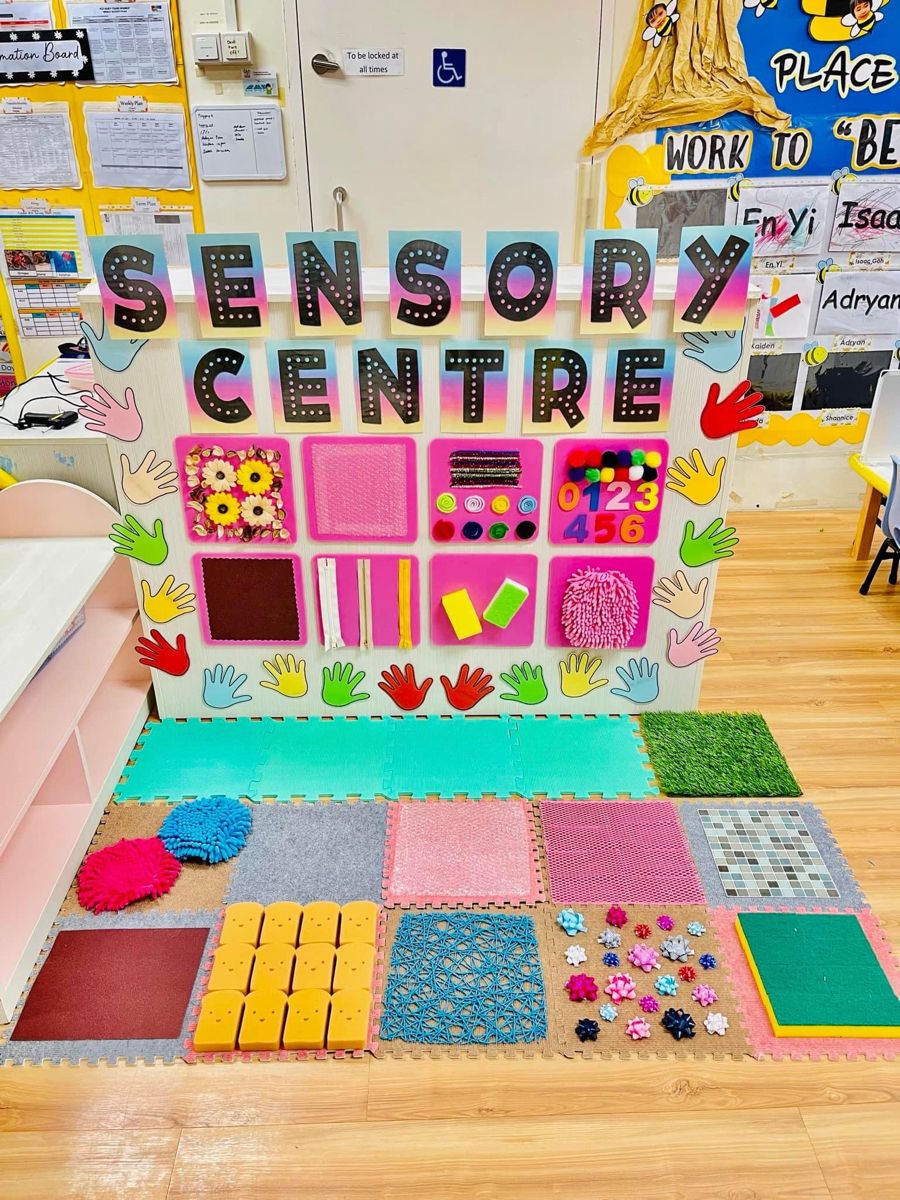
Group work is not only a social endeavor but also a sensory experience—auditory input, close proximity, and environmental stimuli can amplify stress for autistic students. Sensory sensitivities are often overlooked in educational design, but attuning to these needs can radically transform participation.
Educators are encouraged to offer sensory-friendly environments by selecting quieter rooms, limiting background noise, or permitting the use of sensory tools such as noise-canceling headphones or fidget devices. Even small adjustments, like allowing flexible seating arrangements or periodic breaks, provide essential relief and can enhance focus and comfort.
Emphasizing Communication Alternatives and Flexibility
Traditional verbal communication is only one avenue of expression. Supporting autistic students during group work involves embracing a spectrum of communication modalities—written, visual, or assistive technologies.
Incorporating alternative communication channels allows students to contribute in ways that align with their strengths. For example, collaborative digital documents or graphic organizers can serve as shared platforms where ideas are exchanged visually and asynchronously. These alternatives mitigate the pressure of on-the-spot verbal interactions and level the playing field for all group members.
Furthermore, encouraging peer understanding of diverse communication styles fosters empathy and inclusivity, cultivating a community where differences are not obstacles but assets.
Facilitating Social Skills Through Guided Practice
Group work is an opportunity not just for academic growth but also for social skill development. For autistic students, this requires intentional guidance and support. Educators can facilitate social learning by modeling appropriate interactions, providing scripts or conversation starters, and explicitly teaching skills like active listening and respectful turn-taking.
Role-playing exercises before group tasks can prepare students for potential scenarios, reducing apprehension and building confidence. Additionally, regular reflection sessions post-group activities allow students to process their experiences, celebrate successes, and identify areas for growth.
Harnessing the Strengths of Autistic Students Within Groups
Perhaps the most transformative approach is to shift from seeing autistic students’ needs as limitations to recognizing their unique strengths. Many autistic individuals possess exceptional attention to detail, deep knowledge in specific areas, and original problem-solving abilities.
By aligning group work tasks with these strengths—such as allowing focus on data analysis, pattern recognition, or creative innovation—educators not only bolster the autistic student’s confidence but also enrich the group’s overall output. This strength-based approach fosters mutual respect and positions autistic students as invaluable contributors rather than mere participants.
Conclusion: A Call for Intentional Inclusivity
Supporting autistic students during group work transcends mere accommodation; it is an invitation to redefine educational collaboration. When educators shift their perspective to embrace structure, sensory awareness, flexible communication, social learning, and strength-based engagement, group work transforms into a dynamic and inclusive experience.
This paradigm not only unlocks the potential of autistic students but also cultivates richer, more empathetic learning communities. The fulfillment derived from such transformation extends beyond academia, equipping all students with lifelong skills in diversity, collaboration, and understanding.