What does it truly mean to navigate the labyrinth of parenthood while simultaneously existing as an autistic individual? This question underscores a unique paradox—raising children, with all its chaotic joy and relentless demands—while managing the often misunderstood experience of autism. It is a journey that melds resilience, insight, and a distinct set of challenges unparalleled in conventional parenting narratives.
Understanding the Intersection of Autism and Parenthood
Parenting in itself is an intricate dance of emotional intelligence, patience, and adaptation. Adding autism into this complex equation redefines these dynamics in profound ways. Autistic parents often face a confluence of sensory sensitivities, communication differences, and neurological processing variations, all while striving to meet the developmental and emotional needs of their children. This intersection introduces challenges that are both nuanced and laden with potential growth.
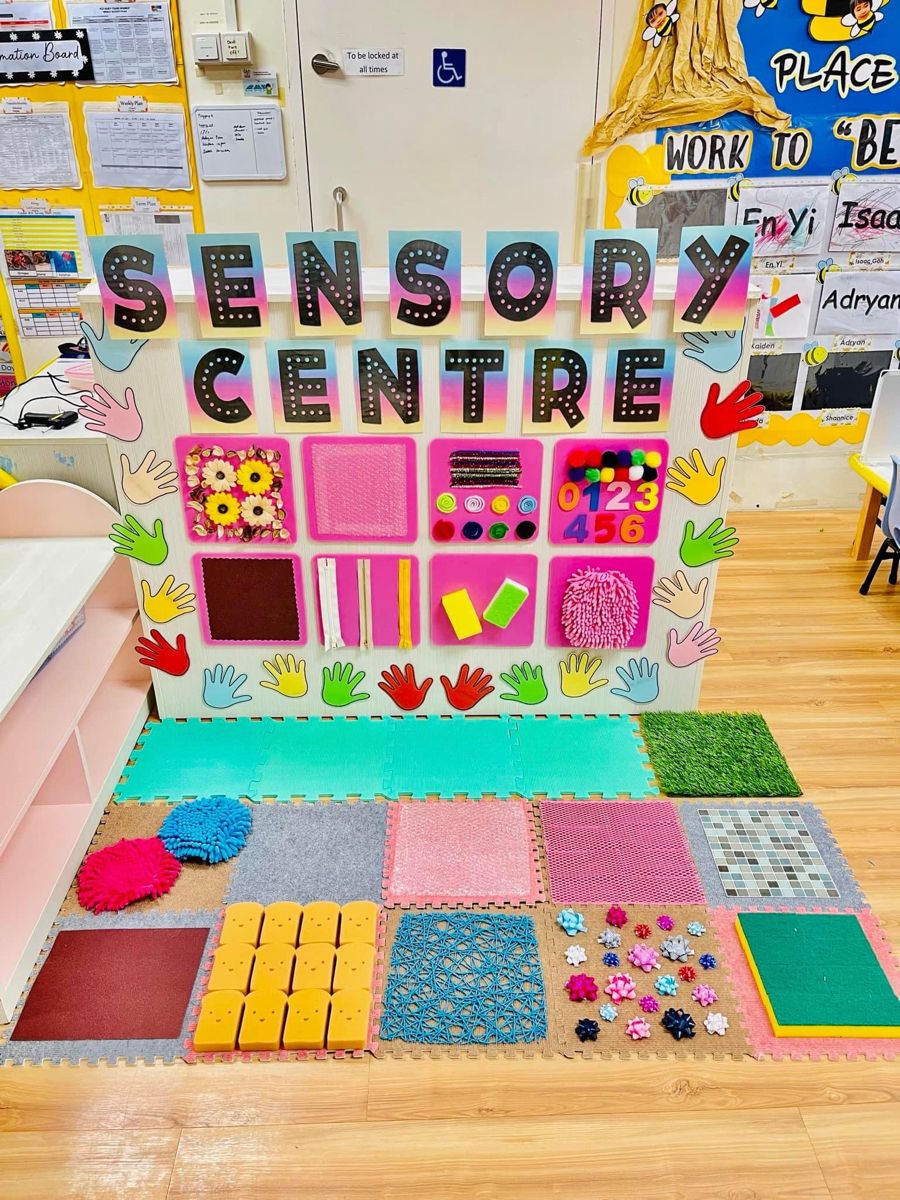
Many autistic parents report a heightened sensitivity to stimuli, which can complicate routine parenting tasks such as managing a child’s meltdowns or maintaining household order. However, this sensitivity can also foster extraordinary empathy, enabling parents to attune deeply to their children’s emotional landscapes. The lived experience of being autistic frequently imbues parents with a profound understanding of neurodiversity, shaping a parenting approach that prioritizes acceptance and individualized support.
Structured Play as a Gateway for Connection

One of the most effective strategies employed by autistic parents involves structured play—a deliberate and predictable form of interaction that offers a sanctuary of calm amidst the unpredictability of life. Structured play involves routines and clear expectations, which cater well to both autistic and non-autistic children by reducing anxiety and encouraging engagement. This mode of play transcends mere entertainment; it becomes a therapeutic vehicle for building communication and trust, enhancing cognitive development in children, and providing a framework that supports the parent’s own need for order.
The predictability of structured play supports sensory regulation, helping both parent and child to navigate moments that could otherwise become overwhelming. It creates opportunities for meaningful interaction while respecting sensory thresholds, thereby fostering a deeper connection that’s attuned to each individual’s neurological constitution.
Decoding the Autistic Brain within the Parenting Role

The neurodivergent brain operates through complex, often non-linear processes that influence perception, communication, and emotional regulation. Understanding these mechanisms is fundamental to embracing one’s identity as an autistic parent and leveraging this understanding to raise well-rounded children. The autistic brain’s architecture, characterized by differences in connectivity and sensory integration, can impact decision-making, stress response, and social interaction in ways that conventional parenting paradigms may not adequately address.
For autistic parents, recognizing and accepting these cognitive differences enables the development of personalized coping strategies. This self-knowledge can translate into innovative parenting techniques that honor both the parent’s and child’s neurodiversity. It also helps mitigate feelings of isolation or inadequacy by reframing challenges as manifestations of neurological variance rather than deficits.
Embracing Neurodiversity: Parenting Through an Autistic Lens
Parenting while autistic is not solely about overcoming obstacles; it is an opportunity to celebrate neurodiversity in action. Autistic parents often model authenticity and self-advocacy, implicitly teaching their children the value of individuality. This authentic approach can dismantle stigma, fostering family environments where differences are embraced rather than masked.
Moreover, autistic parents typically cultivate heightened advocacy skills—not only for their own needs but for their children’s as well. Navigating educational systems, healthcare providers, and social frameworks through an autistic lens often involves an intricate understanding of rights and accommodations. This acumen equips parents to champion inclusive practices, which benefits the entire family unit.
Challenges Specific to Autistic Parenthood
Despite many strengths, autistic parents encounter formidable obstacles. Sensory processing difficulties may intensify the everyday strains of childcare—from the relentless noise and physical contact to the complexities of scheduling and multitasking. Fatigue becomes a significant adversary, as the energy expenditure required to adapt to environments not designed for neurodiverse minds is substantial.
Social expectations around parenting proficiency can exacerbate stress and lead to self-doubt, as external judgments often fail to recognize the diverse methodologies employed by autistic parents. The societal narrative frequently views autism through a deficit lens rather than a multifaceted perspective, increasing the potential for misunderstanding and marginalization.
Building Support Networks and Resources
To counteract isolation, building robust support networks is essential. Autistic parents benefit from communities—both neurodiverse and mainstream—that provide empathy, practical advice, and emotional sustenance. These networks serve as safe spaces where parents can share strategies, celebrate successes, and address concerns without fear of stigma.
Access to specialized resources tailored to autistic parents, such as parenting groups, therapy approaches incorporating sensory integration, and educational materials, can empower families. Furthermore, healthcare professionals who are cognizant of autism’s nuances play a critical role in delivering compassionate, individualized support that respects parental identity.
Fostering Resilience and Celebrating Growth
At the heart of autistic parenthood lies an extraordinary resilience—a capacity to adapt and flourish amidst dual challenges. This resilience cultivates an environment where children learn that diversity is not merely accepted but valued deeply. The parenting journey may be fraught with unique complexities, yet it is also rich with moments of profound connection, insight, and mutual growth.
The very act of raising children while autistic reshapes notions of strength, reframing vulnerability and neurodivergence as integral to a vibrant family dynamic. The narrative is one of empowerment, illustrating that parenting is an art form that transcends traditional parameters and thrives within the beautiful spectrum of human experience.
In conclusion, embracing parenthood while autistic invites a transformative reevaluation of what it means to nurture and be nurtured. It challenges preconceived limitations and fosters a vivid celebration of neurodiversity’s profound contributions to family life. This intersection of identity and caregiving reaffirms that every child and every parent’s journey is singular yet universally grounded in love, perseverance, and the quest for understanding.