In the intricate tapestry of human development, autism diagnosis can be likened to a nuanced dance performed on an ever-shifting stage shaped by diverse cultural narratives. The delicate interplay between genetic predispositions, individual traits, and the cultural milieu fundamentally influences how autism is perceived, assessed, and ultimately understood. To appreciate the profound implications of cultural considerations in autism diagnosis is to unravel layers of interpretive frameworks that shape clinical encounters and families’ lived experiences.
The Cultural Prism: Shaping Autism Recognition
Cultures act as a prism through which behaviors are refracted into myriad interpretations. What one society deems a sign of neurological divergence may be perceived by another as customary childhood antics or spiritual idiosyncrasies. This subjective lens, fashioned by collective values and beliefs, colors the initial recognition of autistic traits.
For instance, eye contact—a diagnostic hallmark in many Western clinical criteria—may hold different social significance across cultures. In some Indigenous communities or Asian societies, prolonged eye contact can be considered disrespectful or confrontational, thereby complicating straightforward assessments. Such culturally embedded behaviors challenge practitioners to differentiate between culturally normative conduct and genuine markers of neurodevelopmental divergence.
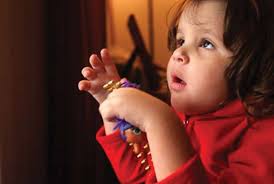
This cultural prism inevitably influences the delay or acceleration of diagnosis. Families embedded in communities where autism is less recognized may not seek clinical attention until behaviors become severely disruptive or challenging to manage, while in other environments, early identification programs predominate. These disparities are not merely clinical curiosities but underscore the profound social determinants that frame diagnostic trajectories.
Language and Communication Barriers: The Diagnostic Labyrinth
Language serves as both bridge and barrier in autism diagnosis. In multilingual societies, the language used in diagnostic settings can significantly affect the accuracy of assessment tools in detecting atypical developmental patterns. Many diagnostic instruments were developed within English-speaking, Western-centric frameworks, potentially sidelining subtle communicative nuances inherent to other languages.
Moreover, cultural narratives around communication styles—such as indirectness, reticence, or storytelling traditions—may obscure or mimic features of autism spectrum disorder (ASD). Evaluators must carefully navigate this labyrinth to disentangle cultural communication patterns from manifestations of ASD.

Thus, linguistic and cultural competency is indispensable for clinicians. Tailoring assessment protocols to include culturally congruent interpreters, culturally adapted screening tools, and community engagement ensures a diagnosis that is both valid and culturally sensitive.
Stigma and Cultural Narratives Surrounding Autism
In many parts of the world, autism is enshrouded in layers of stigma and misconception, woven from religious, social, and historical tapestries. These narratives may cast autism in a mystical or punitive light—seen as a curse, fate, or parental wrongdoing—thereby profoundly affecting families’ willingness to pursue diagnosis and intervention.
Such stigma acts like a shadow, obscuring recognition and obscuring pathways to support. For families, the diagnosis might precipitate social isolation, marginalization, or internalized shame. Conversely, in cultures where communal caregiving and collective identity are emphasized, behavioral differences may be accommodated within existing frameworks, reducing urgency for diagnostic categorization.
Understanding these cultural narratives is critical for practitioners, who must approach families with cultural humility and sensitivity. Engendering trust and dismantling stigma become integral components of the diagnostic process, rather than ancillary concerns.
Access and Equity: The Disparate Landscape of Diagnosis
Beyond cultural interpretations lie structural inequities shaping access to diagnostic services. Marginalized communities often grapple with paucities in healthcare infrastructure, lack of culturally attuned providers, and economic barriers. These systemic disparities create a mosaic of underdiagnosis, misdiagnosis, or late diagnosis that perpetuates cycles of unmet needs and diminished life outcomes.

Efforts to bridge these gaps require systemic reform that integrates cultural competence, enhances workforce diversity, and prioritizes community-based interventions. Equitable diagnostic practices affirm that no cultural group remains at the periphery of neurodevelopmental healthcare access.
The Unique Appeal of Cultural Responsiveness in Diagnosis
The intersection of culture and autism diagnosis offers a singular opportunity to advance personalized, respectful care. Embracing cultural responsiveness transforms the diagnostic process from a mechanistic check-list to an empathetic dialogue rooted in respect and understanding.
This approach reveals the rich heterogeneity of human experience beneath the clinical surface, enabling practitioners to co-construct meaningful interpretations with families. It illuminates how cultural identity shapes developmental pathways and fosters interventions that honor the individual within their socio-cultural ecosystem.
In this sense, cultural considerations do not merely complicate diagnosis—they enrich it.
Ultimately, navigating the labyrinth of cultural dimensions in autism diagnosis demands clinicians and communities alike to foster a mosaic of knowledge, empathy, and cultural dexterity. This path not only enhances diagnostic accuracy but also upholds the dignity and humanity of every individual on the spectrum. Just as the dance changes with new rhythms and partners, so too must the clinical practice evolve—harmonizing universal scientific insights with the distinct melodies of culture.