Group therapy has long been a cornerstone of therapeutic interventions for various psychological and developmental conditions. Within the realm of autism spectrum disorder (ASD), its efficacy has been a subject of both optimism and scrutiny. Understanding when group therapy works—and when it does not—requires a nuanced exploration into the unique social, cognitive, and emotional landscapes experienced by individuals with autism. This article offers a comprehensive examination of the multifaceted dynamics at play, providing insight into the types of group therapy, their execution, and the indicators of success or frustration.
Understanding Autism Spectrum Disorder and Social Interaction Challenges
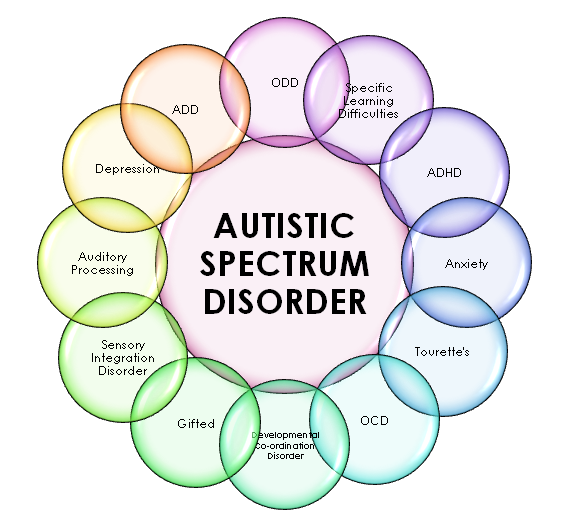
Autism spectrum disorder is characterized by challenges in social communication, restricted interests, and repetitive behaviors. These core symptoms often impede fluid social interactions, making traditional group settings difficult for some individuals. The heterogeneity of autism means that no single intervention suits all; rather, therapeutic approaches must be tailored to accommodate varying levels of communication ability, sensory sensitivities, and cognitive functioning.
In group therapy, the therapeutic setting offers an opportunity to practice social skills in a structured environment, fostering peer interaction and emotional sharing. However, how an individual with autism perceives and participates in this milieu depends heavily on their personal developmental profile and the group’s composition and facilitation.
Types of Group Therapy for Autism
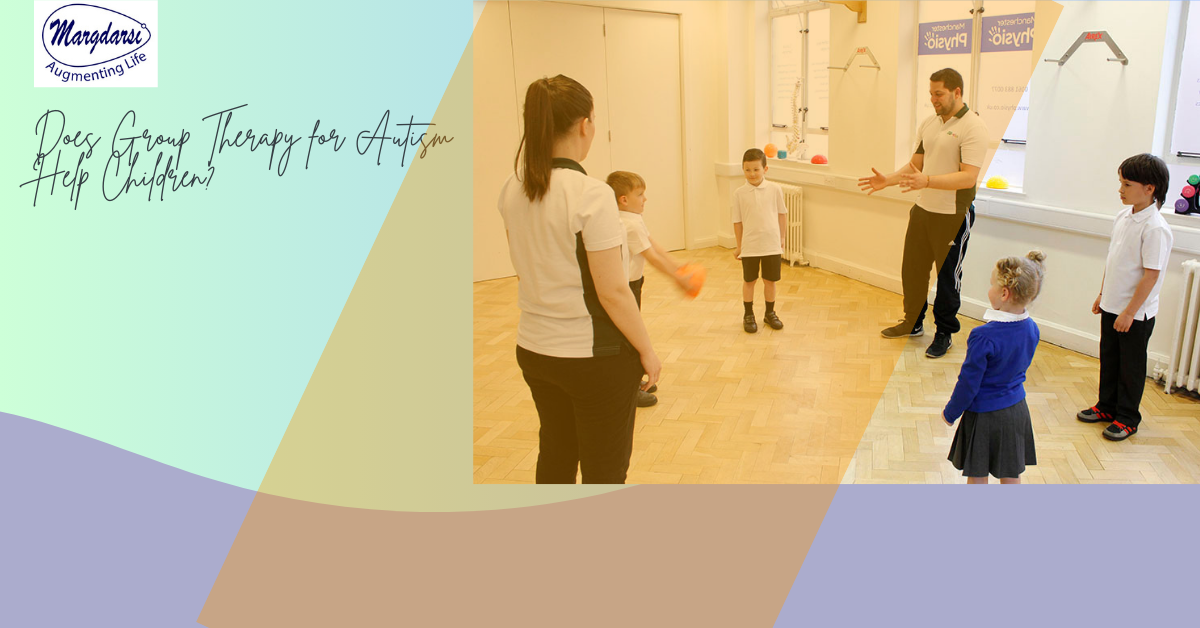
Therapeutic groups designed for individuals on the autism spectrum vary in format and focus. Key variants include social skills groups, cognitive-behavioral therapy (CBT) groups, and sensory integration therapy groups. Each serves distinct purposes:
- Social Skills Groups: These are perhaps the most prevalent, emphasizing the cultivation of conversational abilities, emotion recognition, and role-playing exercises. Participants learn to navigate social norms and build peer connections.
- Cognitive-Behavioral Therapy Groups: Adapted for ASD, CBT groups target anxiety, depression, and rigid thought patterns. They offer structured frameworks to modify maladaptive behaviors and develop coping strategies.
- Sensory Integration Groups: Less common but valuable for individuals with pronounced sensory processing issues, these groups provide activities that help regulate sensory input within a group context.
Understanding the distinct goals of each format helps in discerning their applicability and potential efficacy for a given individual.
When Group Therapy Works: Key Factors for Success
Group therapy proves effective under a confluence of factors that align patient needs with therapeutic design. The following elements often signal a favorable outcome:
- Careful Group Composition: Homogeneity in developmental levels and challenges ensures that participants can engage meaningfully without being overwhelmed or bored. Grouping children or adults with comparable social and cognitive skills maximizes comfort and mutual understanding.
- Experienced Facilitation: Therapists skilled in autism spectrum disorders employ tailored communication techniques, visual supports, and clear structure—critical for maintaining engagement and reducing anxiety in participants.
- Consistent Structure and Predictability: Structured sessions with predictable routines provide a sense of security. Clear agendas and explicit expectations help participants prepare for and navigate social interactions more confidently.
- Focus on Functional Goals: Therapy that targets tangible, functional skills such as initiating conversations, interpreting nonverbal cues, or managing sensory overwhelm tends to produce measurable improvements.
- Inclusive and Supportive Environment: A nonjudgmental atmosphere where participants feel accepted facilitates risk-taking and personal growth. Group cohesion is often a linchpin for therapeutic success.
When these conditions are met, group therapy can enhance social competence, reduce isolation, and foster self-esteem among individuals with autism.
The Limits and Challenges of Group Therapy in Autism
Despite the potential benefits, group therapy is not universally effective for all individuals on the spectrum. Several challenges may hinder progress or exacerbate difficulties:
- Sensory Overload and Social Anxiety: Group settings can be overstimulating, triggering stress and withdrawal. Individuals who experience heightened sensory sensitivities or social anxiety may find group interactions overwhelming.
- Inconsistent Participation: Fluctuations in mood, motivation, or health can disrupt regular attendance and engagement, undermining continuity and progress.
- Divergence in Skill Levels: When group members vary widely in abilities, less skilled participants may feel marginalized, while more advanced individuals might experience boredom, decreasing overall efficacy.
- Limited Individualized Attention: The group setting inherently dilutes personalized therapeutic focus, which can lead to less tailored interventions for those with complex or coexisting conditions.
- Communication Barriers: Nonverbal participants or those with limited verbal skills may struggle to derive benefit if the group therapy does not incorporate augmentative and alternative communication (AAC) methods appropriately.
These factors highlight the indispensable role of thorough assessment and individualized planning before initiating group therapy. They emphasize the importance of flexibility and adjunctive supports to optimize outcomes.

Integrating Group Therapy with Other Autism Interventions
Group therapy should ideally function within a broader, multidisciplinary intervention framework. Combining it with individual therapy, occupational therapy, speech and language therapy, and educational supports can provide a more robust treatment milieu.
For example, an individual might work on anxiety regulation in a CBT group while receiving individualized speech therapy to improve pragmatic language skills. This integrative approach capitalizes on the strengths of diverse modalities and addresses the spectrum of needs presented by autism.
Moreover, family involvement and education remain critical components. Caregivers trained in facilitating and reinforcing therapy goals bolster the sustainability of skills learned in group settings.
Conclusion: Navigating the Nuances of Group Therapy in Autism
Group therapy for individuals with autism holds transformative potential when thoughtfully designed and judiciously applied. Success hinges on a deep understanding of the individual’s unique profile, a supportive and structured therapeutic environment, and a clear alignment of goals with the therapeutic model. While challenges and limitations persist, integrating group therapy into a comprehensive care plan can significantly improve social understanding, emotional resilience, and the quality of life for many on the autism spectrum.
Ultimately, the decision to engage in group therapy must be predicated on personalized assessment and continuous evaluation. Tailoring interventions to harness strengths and accommodate difficulties ensures that this collaborative modality becomes a meaningful catalyst for connection and growth.