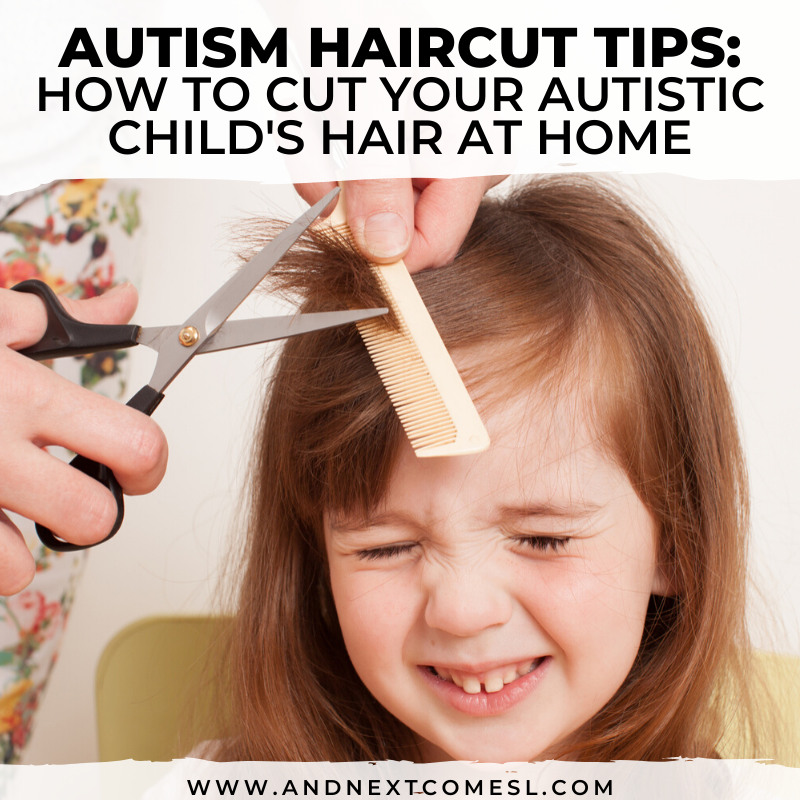
For many parents and caregivers, the prospect of giving an autistic child a haircut can be fraught with anxiety and apprehension. What might seem like an ordinary part of routine grooming transforms into an ordeal marked by sensory overload, resistance, and distress. However, reimagining this experience through a compassionate and strategic lens unveils pathways not only to ease the process but also to strengthen trust and empower the child. Understanding the intricate layers of sensory sensitivities, emotional triggers, and communication nuances is pivotal—and opens the door to transformative approaches that truly resonate with the child’s unique needs.
Understanding the Sensory Landscape of Haircuts
At its core, the challenge of haircuts for many autistic children stems from heightened sensory sensitivities. The buzz of clippers, the tugging of hair, and the unfamiliar environment collectively form a complex sensory mosaic. The tactile sensation of scissors or a comb gliding through hair might feel foreign or even invasive. Loud noises and unfamiliar smells can exacerbate anxiety, tipping the scales towards distress.
Rather than viewing the child’s resistance as obstinacy, it is crucial to recognize these reactions as valid sensory responses. This shift in mindset—from frustration to empathy—lays the foundation for tailored strategies that honor their sensory world.
Preparing the Environment: Crafting a Sanctuary
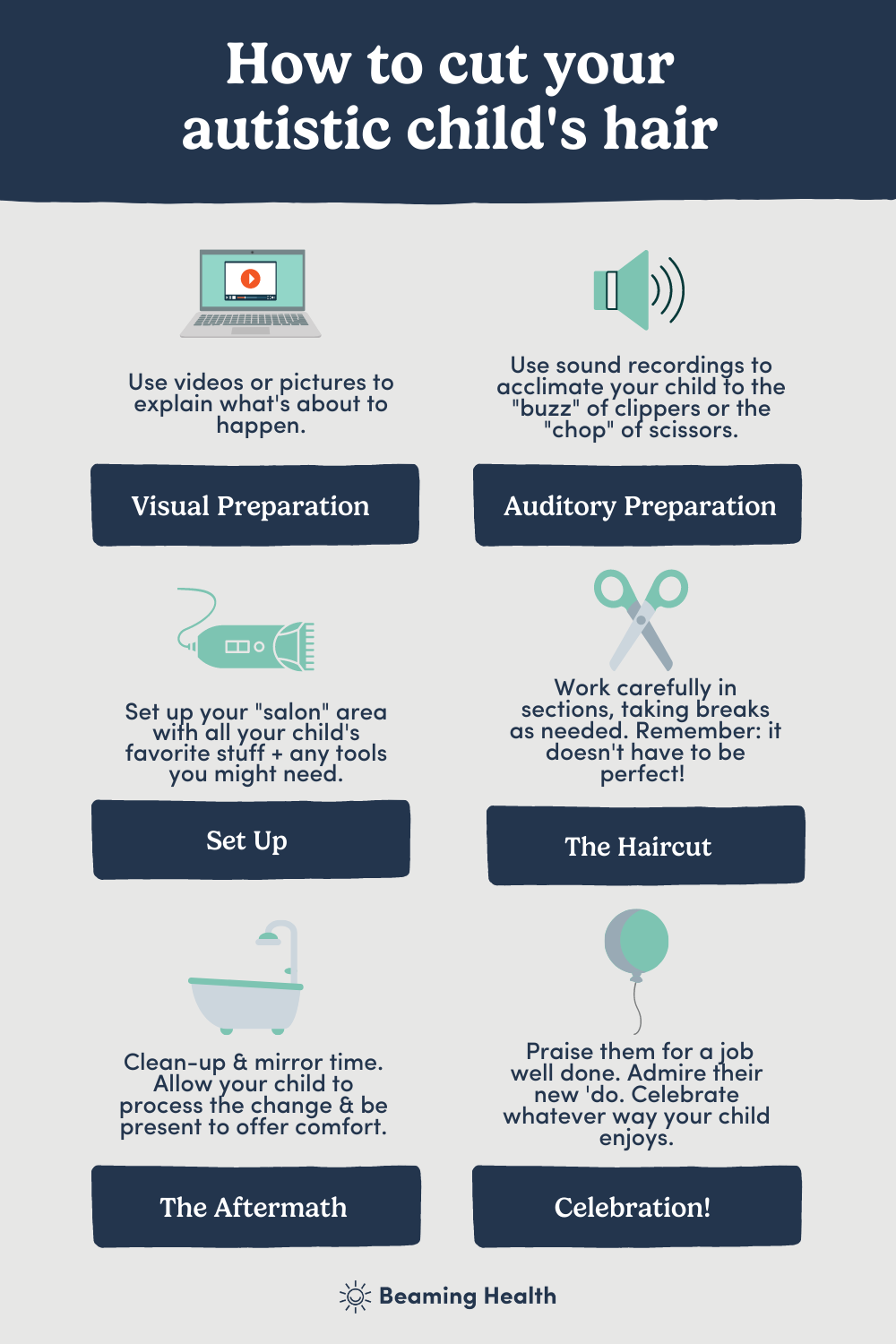
Creating a haircutting environment that soothes rather than stimulates is an essential step. This means minimizing sensory triggers and maximizing comfort. Opt for a quiet space that reduces auditory distractions. Consider dimming harsh lighting or utilizing natural light to avoid visual overstimulation. Surround the child with familiar objects or soothing scents to cultivate a sense of security.
Scheduling haircuts during times of day when the child is most calm can make a substantial difference. Incorporating predictable routines enhances the child’s sense of control, a fundamental pillar for reducing anxiety.
Communication: Beyond Words
Communication with autistic children often transcends verbal exchanges. Employing visual supports such as picture schedules, social stories, or video models can demystify the haircut process. When a child understands what to expect, the unknown loses its power, diminishing anxiety.
Using clear, concise language paired with visual cues can scaffold comprehension. Equally important is validating the child’s feelings, reinforcing that their sensory discomfort and apprehension are understood and respected.

Gradual Desensitization: Building Tolerance Step-by-Step
Introducing the haircut process in incremental steps can forge remarkable progress. Begin by exposing the child to the tools—perhaps letting them touch, hold, or explore the scissors and clippers when they are unpowered. This tactile introduction cultivates familiarity without immediate pressure.
Next, practice non-cutting activities such as combing or brushing the hair while providing positive reinforcement. Over multiple sessions, progressively incorporate brief cutting intervals, always monitoring the child’s responses closely.
This tiered exposure respects their sensory limits and acknowledges that mastery is an evolving journey. Patience is paramount—a measured approach triumphs over hurried attempts.
Adaptive Techniques: Tailoring the Approach
Traditional haircutting methods may need adaptation. For instance, selecting quieter clippers or using scissors exclusively if the noise of electric tools proves intolerable. Employing distraction techniques such as playing the child’s favorite music or engaging them with a preferred toy can redirect focus and reduce apprehension.
Physical support can also play a role. Some children benefit from being seated on a parent’s lap or secured gently in a supportive chair, providing reassurance and stability.
Furthermore, exploring the option of at-home haircuts can circumvent the overwhelming stimuli of unfamiliar salons. This familiar setting can be modified with the child’s comfort and preferences in mind.

Empowerment Through Choice and Control
One of the most transformative elements in easing haircuts is granting the child agency. Allowing them to make choices—even simple ones like selecting a comb or hairstyle—imbues a sense of ownership and diminishes powerlessness.
Setting the pace collaboratively, acknowledging when a break is needed, or deciding the order of steps can turn the haircut into a shared undertaking rather than an imposed task. This dynamic nurtures trust and fosters cooperation.
Celebrating Successes and Managing Setbacks
Every small victory deserves recognition. Celebrating these moments reinforces positive associations and encourages continued progress. Use praise, favorite treats, or a small reward system tailored to the child’s motivations.
Conversely, inevitable setbacks should be approached with calm resilience. Avoid casting failures as defeats; instead, view them as informative signals guiding adjustments in technique or environment.
Remember, progress is non-linear and patience yields profound dividends.
Transforming haircuts from a source of dread to a moment of connection is a journey requiring insight, creativity, and empathy. By attuning to the child’s sensory world, communicating thoughtfully, and empowering choices, caregivers can foster not only smooth haircuts but also deeper bonds. This evolving dance between understanding and action illuminates the capacity for growth in even the most challenging situations, unveiling possibilities that enrich the entire family experience.