In contemporary society, the intersection of autism and video games presents a complex and multifaceted landscape. The intrigue that many individuals with autism exhibit towards video games is a common observation that invites deeper scrutiny. This fascination is not merely a matter of entertainment; rather, it exposes nuanced psychological, social, and sensory dimensions that warrant thorough exploration. Understanding the underlying reasons for this intense engagement is crucial for parents, educators, and therapists seeking to harness the potential benefits while mitigating possible drawbacks.
The Allure of Structured Environments and Predictability
One of the primary reasons video games captivate individuals with autism is their structured and rule-based nature. Autism spectrum disorder (ASD) is often characterized by a preference for predictability and routine, stemming from challenges in processing ambiguous or chaotic environments. Video games provide a controlled setting where outcomes are contingent upon clearly defined rules, offering a sense of stability that can be profoundly comforting.
This predictability often engenders a sense of mastery and competence, fostering confidence in users. Unlike the unpredictability of social interactions or spontaneous real-world scenarios, video games offer consistent feedback loops. These loops allow players to anticipate consequences, learn strategies, and develop skills at their own pace—elements that resonate deeply with cognitive preferences commonly associated with autism.
Cognitive and Sensory Engagement: A Double-Edged Sword
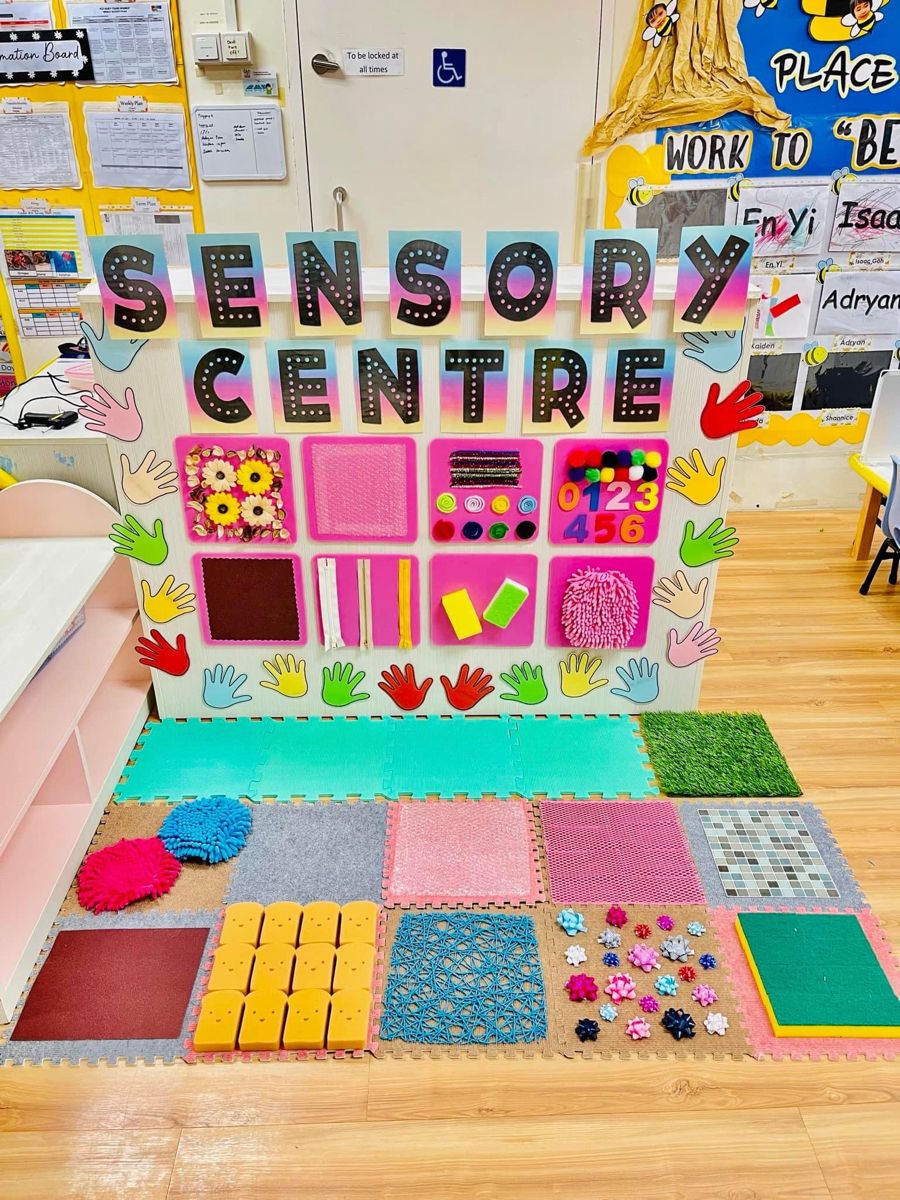
The sensory experience of video games is another aspect worth examining. Many games incorporate vivid visuals, auditory stimuli, and interactive mechanics that can captivate the sensory system intensely. For individuals with autism, who may have heightened or atypical sensory processing, this can be both stimulating and therapeutic.
Engagement with immersive virtual environments can support the development of fine motor skills, improve attention spans, and enhance problem-solving capabilities. Certain genres—such as puzzle-based games or strategy simulations—offer opportunities to exercise executive functions in ways that feel enjoyable rather than onerous.
However, this sensory richness can also lead to overstimulation. The barrage of lights, sounds, and rapid movements might exacerbate stress or anxiety in some players, leading to sensory overload. Understanding an individual’s unique sensory thresholds is therefore imperative to prevent adverse effects and to tailor gaming experiences beneficially.
Social Interaction and Communication: Facilitating Connections
Video games, particularly those with multiplayer or cooperative modes, open avenues for social engagement that might otherwise be inaccessible. The digital format circumvents some of the complex social cues that individuals with autism find challenging—such as facial expressions, tone of voice, and gestures. This virtual interface can reduce social anxiety and promote communication in a less intimidating context.
Online communities and gaming guilds can foster a sense of belonging and identity, providing platforms for shared interests and collaborative problem-solving. Moreover, turn-based or text-based communication allows for more deliberate processing of interactions, affording players the time to formulate responses.
Nevertheless, this mediated social interaction is not without pitfalls. The lack of nonverbal cues can lead to misunderstandings. In some cases, exposure to unregulated online environments may expose vulnerable players to bullying or exploitation. Thus, supervision and structured guidance remain essential to safeguard well-being.
Potential for Skill Development and Educational Applications
In addition to recreational value, video games have promising applications in skill acquisition for individuals with autism. Certain games are purposefully designed to enhance cognitive abilities such as memory, attention, and executive functioning. The adaptive difficulty levels common in educational games help maintain engagement without overwhelming the player.
Moreover, gamified learning environments enable repeated practice in a motivating context. This can be particularly valuable in cultivating real-world competencies such as language, social skills, and emotional regulation. Therapists increasingly incorporate customized video game interventions to complement traditional therapy, leveraging the appeal of gaming to increase participation.
However, indiscriminate use of video games as therapeutic tools can be counterproductive if not thoughtfully integrated into broader treatment plans. The complexity of individual needs requires careful assessment and professional oversight to ensure meaningful benefits.
The Risks of Excessive Gaming and Dependency
While the benefits of video gaming are manifold, the risks associated with excessive screen time must not be overlooked. Prolonged gaming can lead to social withdrawal, sedentary lifestyles, and neglect of essential daily activities. For individuals with autism, who may already grapple with social isolation or rigid routines, unregulated gaming time might exacerbate these tendencies.
The phenomenon of video game addiction is increasingly recognized as a legitimate concern. Behavioral dependencies can manifest as irritability when deprived of gaming, difficulty disengaging, and impaired functioning in academic or occupational settings.
Parents and caregivers should establish balanced gaming habits, incorporating diverse activities and physical exercise to promote overall health. Thoughtful monitoring, along with open dialogue, can help mitigate the risks while preserving the valuable benefits video games offer.
Conclusion: Navigating a Nuanced Balance
Ultimately, the relationship between autism and video games is multifaceted, colored with both promise and caution. The affinity that many individuals with autism have for video games is grounded in deeper cognitive and sensory dynamics; understanding this can unlock opportunities for personal growth, social connection, and therapeutic gains.
Nonetheless, this engagement requires careful navigation to prevent potential pitfalls such as overstimulation, social isolation, or dependency. An individualized approach—attuned to personal preferences and needs—is essential to harness the positive aspects of video games while safeguarding against adverse consequences.
In this delicate equilibrium lies the potential for video games to serve as powerful allies in the lives of individuals with autism, enriching their experiences and broadening their horizons in meaningful and dignified ways.