Sensory overload is much like a tempest brewing on the horizon—subtle at first but escalating swiftly into a storm that can overwhelm a child’s world. For many children, especially those on the neurodiversity spectrum, the cascade of sights, sounds, textures, and emotions can become an inundation, making everyday interactions feel like navigating a turbulent sea. Yet, within this tempest lies the potential for calm, for mastery, and for tailored nurturing strategies that allow a child to sail smoothly through their sensory experiences. Understanding how to reduce sensory overload transcends mere comfort; it becomes an art of crafting safe harbors amid chaos, enabling a child to thrive.
Understanding the Sensory Landscape
Sensory processing is akin to an intricate symphony where each instrument must harmonize flawlessly to create a coherent melody. When this harmony falters, the symphony becomes cacophonous, overwhelming the intended auditory canvas. Children may encounter a barrage of stimuli—bright lights, loud noises, rough textures—that bombard their senses incessantly. This interruption in sensory integration can manifest as irritability, withdrawal, or even physical discomfort.
Recognizing the unique sensory profile of your child is foundational. No two children respond identically to stimuli; what agitates one may soothe another. Observing their reactions carefully helps map this sensory topography, illuminating triggers and preferences. Such understanding forms the compass by which interventions can be designed.
Creating a Sensory-Smart Environment
Imagine the child’s environment as a carefully curated gallery, each element thoughtfully placed to elicit calm rather than chaos. Modifying home and school settings can dramatically reduce sensory overload.
- Lighting: Harsh fluorescent lights are often offenders. Opt for soft, natural lighting or warm-toned LEDs that reduce glare and visual stress.
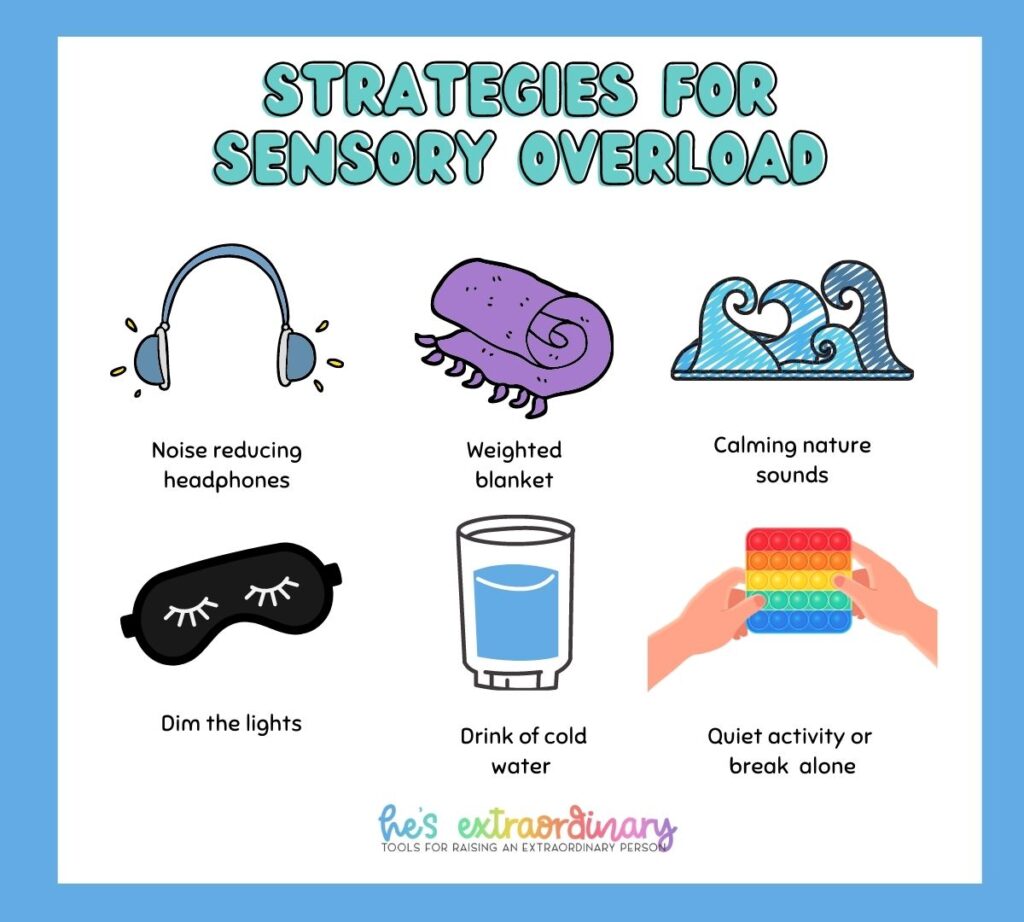
- Sound: A cacophony of background noises can create an auditory minefield. Introducing sound-dampening materials such as thick curtains or rugs, or offering noise-canceling headphones, can provide precious auditory respite.
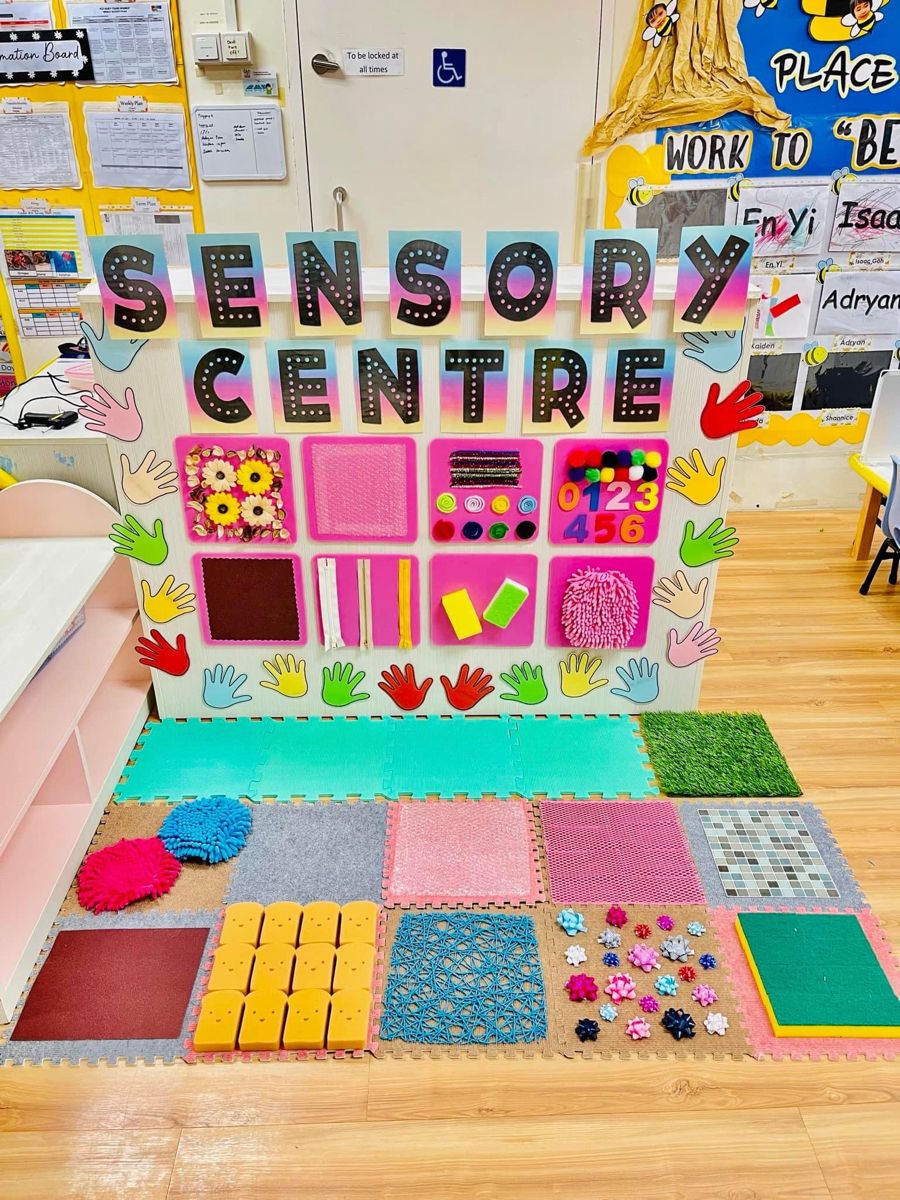
- Textures and Materials: Clothing tags, scratchy fabrics, or even certain food consistencies may provoke discomfort. Selecting soft, seamless fabrics and familiar, non-irritating foods allows a child to remain grounded.
- Organization: Clutter is a visual stimulant that may exacerbate sensory challenges. A tidy, predictable space fosters security and minimizes unexpected stimuli.
Implementing Sensory Diets: Feeding the Senses Thoughtfully
A sensory diet is not about food, but about providing a balanced menu of sensory activities tailored to the child’s needs—much like a nutrition plan for the nervous system. These activities serve to regulate sensory input, offering the child precisely the stimulation needed to achieve equilibrium.
For example, deep pressure activities like weighted blankets or gentle squeezes can soothe an overstimulated nervous system. Equally, vestibular input through swinging or gentle rocking may help integrate motion sensations. Alternatives include tactile play with sand or water, which can be calming and grounding. The focus remains on consistency and personalization—ensuring the child’s sensory needs are met before overload can take root.
Developing Predictability and Routine
Children, especially those vulnerable to sensory overload, often find solace in predictability. Routines function like the lighthouses guiding ships safely home through fog. Establishing consistent daily schedules minimizes uncertainty and the anxiety such unknowns breed. Transition warnings before changing activities provide a cognitive bridge, helping children prepare mentally and physically for changes that could otherwise be jarring.
For instance, visual schedules using pictures or symbols can concretize abstract concepts of time and activities, lending structure through tangible cues. This scaffolding supports children in managing their sensory world with increasing autonomy.
Empowering Through Communication Tools
When words fall short, communication aids act as the sails catching the wind of expression. Some children struggle to articulate the nuances of what overwhelms them. Introducing tools such as emotion cards, sign language, or communication devices empowers a child to convey discomfort before it escalates into a meltdown.
Active listening and acknowledging these communications fosters trust and opens pathways for intervention. It also underscores the fundamental truth that sensory overload is not a failure but a signal—a message from the child’s internal world seeking attention and understanding.
The Role of Mindful Engagement and Calming Techniques
Mindfulness practices tailored for children offer a tranquil anchor amid sensory storms. Simple breathing exercises, guided imagery, or quiet moments with soothing music provide opportunities to reset and recalibrate. These techniques nurture interoception—the awareness of internal bodily states—which is pivotal in sensing when to seek calm or activity.
Equally significant is the caregiver’s attuned presence. Your calm demeanor during moments of overload can act as a stabilizing force. Modeling regulation strategies provides a living template, allowing the child to learn adaptive coping mechanisms organically.
Collaborating with Professionals for Tailored Support
Sometimes, slowing the storm requires the expertise of navigators trained in sensory integration. Occupational therapists specializing in sensory processing can design individualized strategies, offer assessments, and suggest modifications that alleviate sensory burden.
Early intervention and ongoing collaboration ensure interventions evolve in tandem with the child’s development, fostering resilience and adaptive skills that grow stronger over time.
Reducing sensory overload for a child is a multifaceted endeavor—an orchestration of environmental adjustments, personalized strategies, and empathetic communication. Like a skilled mariner charting a course through unpredictable seas, caregivers can transform overwhelming sensory input into manageable waves, guiding their children toward a horizon of stability and joy. In this journey, patience, insight, and persistent nurturing are the compass, the stars, and the steady hand that ensure safe passage.