Have you ever wondered how a seemingly ordinary moment can unveil a world of extraordinary challenges and profound love? Parenting a child diagnosed with autism often begins with such moments—fleeting, confusing, yet undeniably transformative. What does it truly mean to embrace this unexpected journey, one rich with both trials and triumphs? This narrative explores the delicate path of navigating autism intertwined with the unwavering forces of parental love and acceptance.
The Initial Revelation: When Diagnosis Meets Reality
The moment a parent first hears the word “autism” often heralds a profound upheaval. It is as if a curtain lifts, revealing a complex tapestry of unique developmental patterns, communication styles, and behavioral nuances. For some, the diagnosis arrives surrounded by ambiguity; for others, it clarifies years of uncertainty. Yet, beneath the clinical terminology lurks the palpable challenge: reconciling the envisioned child with the child before them.
This stage often ignites a whirlwind of emotions—fear, denial, confusion, and, later, cautious hope. It requires processing not only the medical information but also the emotional gravity of what this means for the family’s future. This is a delicate dance between acknowledging the child’s differences and recognizing their intrinsic value beyond the diagnosis.
Understanding Autism: Beyond Stereotypes and Simplifications
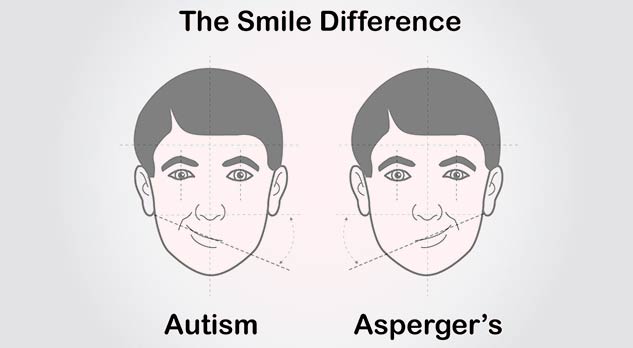
Autism, or Autism Spectrum Disorder (ASD), defies reductionist definitions. Rather than a monolithic condition, it encompasses a diverse range of neurological variations influencing social interaction, communication, and behavior. Each child’s experience is distinct, colored by a mosaic of strengths and challenges that resist simplistic categorization.
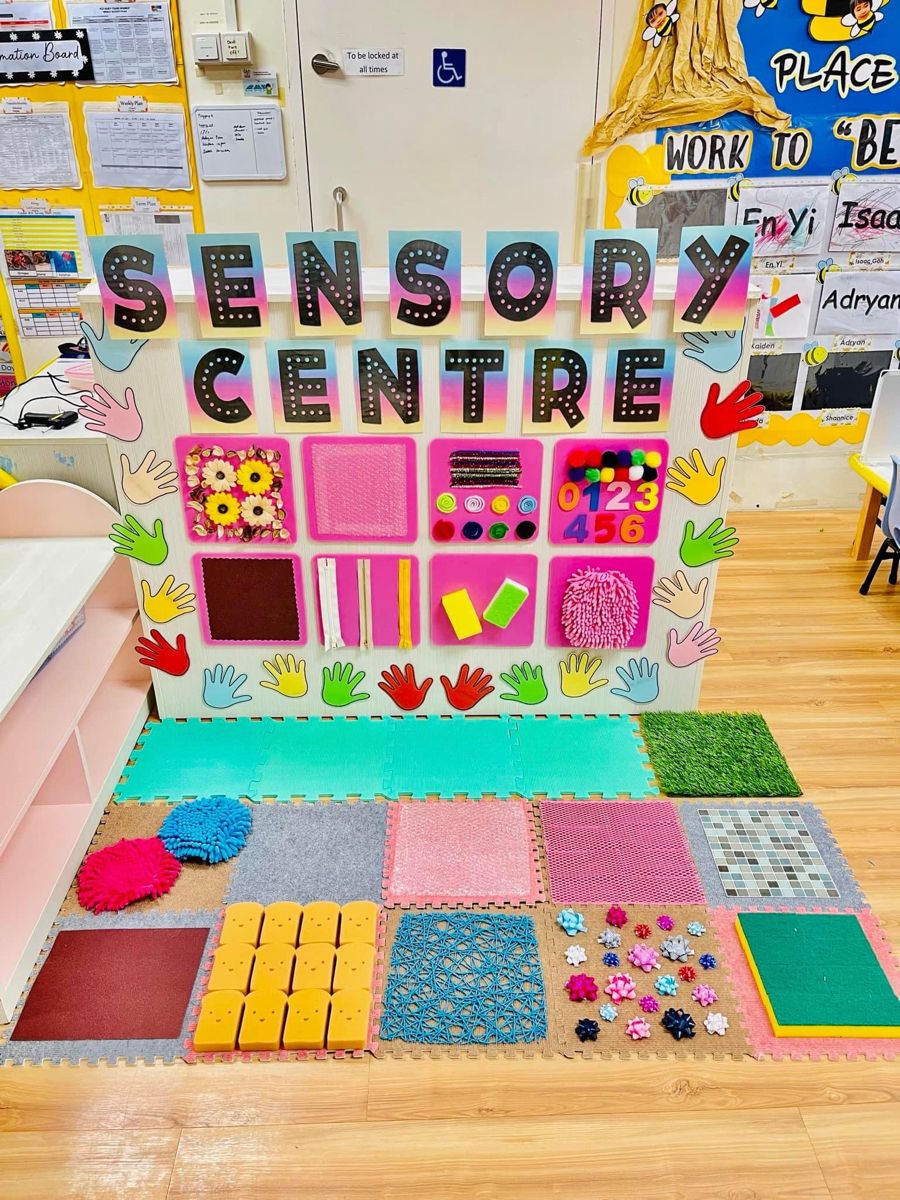
For parents, this complexity demands an adaptive mindset. It invites deepened learning, unlearning preconceived notions, and cultivating patience. Recognizing sensory sensitivities, communication barriers, and routine-oriented behaviors becomes imperative. These facets, while challenging, are also gateways to appreciating the child’s unique perspective—a perspective often enriched with unparalleled authenticity and creativity.
Navigating Emotional Turbulence: From Grief to Growth
Grieving is an inevitable yet often misunderstood component of the autism journey. It is not grief over the child themselves, but grief over the altered expectations and the uncertain path ahead. It can manifest in myriad ways: sorrow for lost milestones, frustration with systemic obstacles, or fatigue from constant advocacy.
This emotional landscape requires compassion—not only towards the child but also towards oneself. Over time, many parents find strength in reframing their grief into growth. Acceptance emerges not as resignation but as an active embrace of the child’s individuality, fostering resilience and newfound joy in unexpected places.

The Role of Advocacy and Education
Equipped with knowledge and understanding, parents often evolve into champions for their child’s needs. Advocacy becomes a pivotal endeavor—securing appropriate educational resources, therapeutic interventions, and social supports. This role requires persistence, navigating sometimes labyrinthine systems with unwavering resolve.
Simultaneously, educating oneself about autism and sharing this awareness with family, friends, and the community fosters inclusivity. It demystifies misunderstandings and cultivates environments where the child’s potential can flourish. Advocacy, then, is not only an external battle but an internal commitment to empowerment and equity.
Celebrating Unique Strengths and Milestones
Within the autism journey, there exists a spectrum not only of challenges but also of exceptional abilities and milestones, however subtly defined. Perhaps a child exhibits remarkable attention to detail, a prodigious memory, or artistic flair. These strengths offer a wellspring of pride and joy.
Each milestone—whether it be a smile, a word, or an independent task—holds profound significance. Celebrating these moments reinforces positive momentum, nurturing the child’s self-esteem and the parent’s hope. This focus on abilities rather than limitations embodies the essence of unconditional love and acceptance.
Fostering Connection: The Language of Love
Communication is at the heart of every relationship, yet it may unfold differently within families affected by autism. Parents learn to attune themselves to their child’s unique language—whether verbal, non-verbal, visual, or tactile. This attunement transcends words; it is an intricate ballet of gestures, expressions, and shared experiences.
Developing this relational fluency strengthens emotional bonds and nurtures trust. It also challenges conventional notions of communication, revealing that love often speaks most profoundly through presence, patience, and authenticity.
The Continuing Journey: Acceptance as an Ongoing Process
Acceptance is rarely a fixed destination. Instead, it is an evolving process that unfolds over years, mirroring the child’s growth and changing needs. It calls for continual reassessment, flexibility, and openness to new realities and possibilities.
For parents, walking this path means embracing uncertainty with grace. It is a commitment to stand beside their child through every success and setback, fueled by an enduring love that transcends challenges. In this way, acceptance evolves from a concept into a lived experience imbued with profound meaning.
Conclusion: Embracing the Journey with Hope and Love
The journey of parenting a child with autism is undoubtedly complex and demanding, but it is also deeply rewarding. It dismantles simplistic narratives about perfection and control, inviting parents into a world where love manifests through resilience, understanding, and unwavering acceptance.
Rather than asking, “Why my child?” the question evolves into, “How can I best walk this path with my child?” This shift reveals the transformative power of parental love—not defined by circumstance, but by the courage to embrace the unknown and celebrate the endlessly unique soul they call their own.