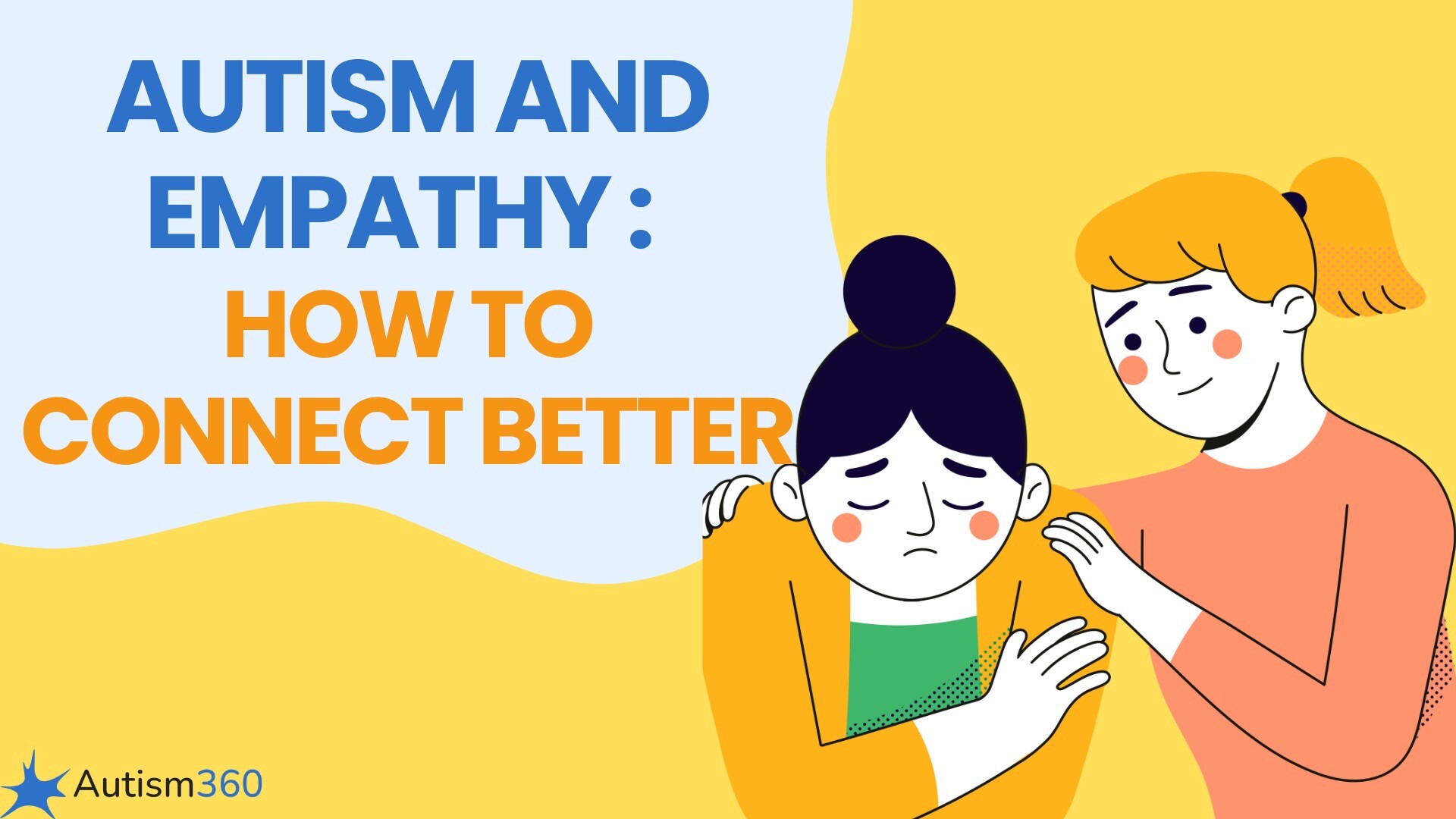
Empathy is often likened to a bridge between souls, a delicate thread that weaves human experience into a tapestry of shared understanding and compassion. Yet, the prevailing cultural narrative has long painted autism with a broad brush of emotional detachment, insinuating a void where empathy should reside. This misconception, pernicious and unfounded, obscures the nuanced reality of autistic emotional experience. Rather than a barren desert, the autistic mind is a vast, intricate landscape where empathy blooms in unexpected forms, defying reductive stereotypes and inviting a deeper appreciation of human diversity.
The Anatomy of Empathy: Beyond Surface-Level Assumptions
Empathy is not a monolith; it exists on multiple planes—cognitive, emotional, and even sensory. Cognitive empathy involves the intellectual ability to understand another’s perspective. Emotional empathy, on the other hand, is the visceral resonance with someone else’s feelings. Many autistic individuals may experience challenges particularly in cognitive empathy, stemming from differences in neural processing. However, this does not equate to a wholesale absence of empathy. Instead, it highlights a divergence in how empathy manifests.
To liken empathy solely to the ease of reading facial expressions or body language is akin to judging an ocean’s depth by the clarity of its surface. Autism may alter the expression of empathy, but it certainly does not eradicate it. Some autistic people exhibit profound emotional empathy, although they might struggle with social cues that neurotypical individuals use to convey and interpret feelings. In essence, the empathic faculty is present but expressed through distinct channels.
Empathy in Autism: Unique Neurological Pathways
Recent neuroscientific research points toward the existence of atypical neural connectivity in autism, influencing social cognition and emotional processing. These differences do not imply a deficiency but rather alternative wiring, often resulting in distinctive ways of experiencing and expressing empathy. Certain autistic individuals are deeply sensitive to sensory stimuli, which can amplify their emotional responses to the environment and the emotions of others.
Imagine empathy not as a single river but as a confluence of streams that flow through diverse terrains—some quieter, others turbulent and rushing. Autistic empathy might surge through less conventional tributaries, such as through intense focus on interests or a profound sense of justice and fairness. This divergence renders empathy a more variegated phenomenon, intimately tied to the autistic person’s lived experience.

Misconceptions and Societal Narratives
The archetype of the “unfeeling” autistic person has been perpetuated by misunderstandings and oversimplifications. Popular media, in particular, has often depicted autistic characters as detached or aloof, reinforcing harmful stereotypes. Such portrayals contribute to social exclusion and stigma, hampering authentic human connection and self-expression for autistic individuals.
These myths derive from conflating social communication difficulties with emotional apathy. Difficulty in expressing empathy in typical ways—such as through eye contact or verbal affirmations—should not be mistaken for an absence of feeling. Autistic individuals may demonstrate empathy through actions rather than language, or require more time and space to process emotional content.
Recognizing Empathy’s Many Languages
To truly understand empathy in autism, society must expand its vocabulary of compassion. Empathy can be signaled through acts of kindness, the readiness to help, or the unwavering loyalty found in many autistic friendships. Some may express empathy through written words, art, or shared routines that foster comfort and trust.
Consider the metaphor of a lighthouse. Its beam may not be continuous, nor always visible from every angle, but its light is steady and unwavering for those who seek it. Autistic empathy often radiates in subtle, nonstandard ways—sometimes imperceptible to the casual observer but profoundly impactful nonetheless.
Fostering Empathy Through Understanding and Inclusion
Encouraging an environment where different modes of empathy are recognized and valued can transform perceptions and relationships. Education plays a crucial role in dismantling myths and cultivating empathy itself—creating a feedback loop of mutual respect and insight. Inclusion affords autistic individuals the platform to communicate their emotional truths without the pressure to conform to neurotypical norms.
Moreover, neurodiversity as a framework promotes the idea that variations in cognition and empathy enrich the human experience. Embracing this plurality dispels the myth of unfeeling autism and instead reveals a mosaic of emotional landscapes, each vibrant and valid.
Conclusion: Reframing the Narrative
The myth of the unfeeling autistic mind dissolves upon closer examination, revealing a rich emotional terrain marked by complexity and depth. Autism and empathy are not antithetical; rather, they intertwine in ways that challenge conventional expectations and invite a broader understanding of human connection. By recognizing and appreciating the myriad expressions of empathy within autism, society can foster genuine compassion and inclusivity, bridging divides that mere misconception has built. The autistic mind, far from unfeeling, offers a compelling testament to the diversity of empathy’s true nature.