

The future of autism employment is being reshaped by remote work—a paradigm shift that promises not just accessibility, but genuine inclusion. For decades, traditional workplaces have erected barriers for neurodivergent individuals, from sensory overload in open-plan offices to rigid social expectations that favor neurotypical communication styles. Remote work dismantles these obstacles, offering a flexible, customizable environment where autistic employees can thrive on their own terms. Yet, this transformation is more than a technological convenience; it is a cultural reckoning, one that challenges long-held assumptions about productivity, collaboration, and the very definition of a “workplace.” As industries increasingly adopt hybrid and fully remote models, the question arises: How can organizations move beyond mere accommodation to foster environments where autistic talent is not just welcomed, but celebrated? The answer lies in intentional design, adaptive policies, and a commitment to reimagining work itself.
The Digital Workplace: A Sanctuary for Neurodivergent Talent
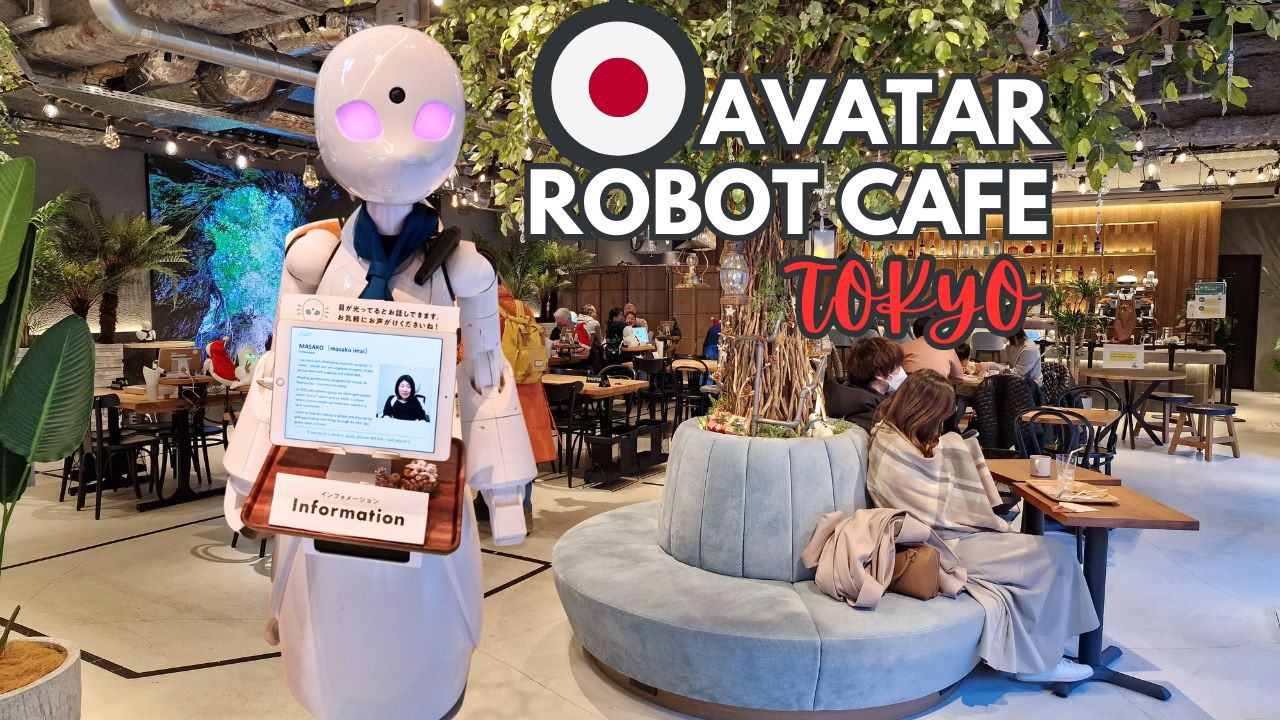
Remote work is not merely a logistical shift; it is a sanctuary for neurodivergent individuals who have long navigated environments ill-suited to their cognitive wiring. For many autistic employees, the traditional office is a minefield of unpredictable stimuli—fluorescent lighting that hums like a swarm of insects, the ceaseless chatter of coworkers, the unspoken rules of small talk that feel like deciphering an alien language. In contrast, the digital workplace offers a controlled ecosystem where sensory inputs can be minimized: noise-canceling headphones drown out distractions, adjustable screen brightness reduces glare, and the freedom to structure the day around peak focus times aligns with the natural rhythms of an autistic mind.
Moreover, written communication—email, instant messaging, project management tools—replaces the ambiguity of verbal cues, allowing autistic employees to process information at their own pace without the pressure of real-time social performance. Platforms like Slack or Microsoft Teams, when used intentionally, can level the playing field, enabling participation without the exhaustion of masking neurodivergent traits. The digital realm also democratizes collaboration; tools like shared documents and asynchronous updates ensure that no one is left behind in the relentless pace of synchronous meetings.
Inclusive Policies: Beyond Tokenism to Structural Change
Remote work’s potential is only as strong as the policies that underpin it. Inclusive employment for autistic individuals requires more than a flexible schedule or a quiet room—it demands a holistic overhaul of workplace norms. Organizations must move beyond performative gestures, such as one-off sensitivity training, and instead embed neurodiversity into their core operations. This means designing job roles with clear, structured tasks that minimize task-switching, a common challenge for autistic employees. It means offering predictable routines, where deadlines and expectations are communicated in advance, reducing the anxiety of last-minute changes.
Flexibility must extend beyond location to encompass the very structure of work. Some autistic employees may excel in deep-focus, solitary tasks, while others thrive in collaborative, project-based environments. The key is to provide a spectrum of options, from fully asynchronous work to structured check-ins, allowing individuals to choose what suits them best. Additionally, companies must address the often-overlooked issue of career progression. Neurodivergent employees are frequently sidelined in promotions due to unconscious biases about “fit” or leadership potential. Transparent pathways for advancement, paired with mentorship programs tailored to neurodivergent needs, can ensure that talent is recognized and nurtured.
The Role of Technology: Tools That Empower, Not Isolate
Technology is the linchpin of remote work’s promise for autistic inclusion, but its impact depends on thoughtful implementation. Assistive tools like text-to-speech software, screen readers, or predictive text can alleviate cognitive load, while customizable interfaces allow users to adapt their digital workspace to their sensory preferences. However, technology must not become a crutch that replaces human connection entirely. Virtual reality (VR) and augmented reality (AR) are emerging as innovative solutions for social skill development, offering safe spaces to practice interactions without the pressure of real-world consequences. Meanwhile, AI-driven scheduling tools can help autistic employees structure their days, balancing work and rest periods to prevent burnout.
Yet, technology alone cannot create inclusion. Organizations must ensure that these tools are accessible—not just in terms of cost, but in terms of usability. A screen reader is only effective if the software it supports is designed with accessibility in mind. Similarly, video conferencing platforms must prioritize features like closed captioning, adjustable speaker layouts, and the ability to mute non-verbal cues, which can be overwhelming for autistic participants. The goal is not to replace human interaction with algorithms, but to use technology as a bridge, connecting autistic employees to opportunities while respecting their unique ways of engaging with the world.
Cultural Shifts: Redefining Productivity and Success
The most profound change wrought by remote work is cultural. For generations, productivity has been measured in hours logged at a desk, in the unspoken expectation that “face time” equates to dedication. Remote work dismantles this myth, forcing organizations to confront the reality that output—not presence—should define success. For autistic employees, this shift is liberating. It allows them to be judged on the quality of their contributions rather than their ability to conform to neurotypical norms. However, cultural change is slow, and resistance often masquerades as concern for “team cohesion” or “company culture.”
To counter this, leaders must actively dismantle the stigma around neurodivergent work styles. This means celebrating the strengths that autistic employees bring to the table—exceptional attention to detail, pattern recognition, innovative problem-solving, and a relentless focus on accuracy. It means normalizing accommodations as standard practice, not special favors. Companies like SAP and Microsoft have pioneered neurodiversity hiring programs, recognizing that diverse cognitive perspectives drive creativity and resilience. These initiatives must extend beyond recruitment to include retention strategies, such as peer support networks and leadership training that educates managers on neurodivergent needs.
The remote work revolution also challenges the notion of the “ideal worker”—a mythical figure who is always available, perpetually energetic, and effortlessly social. Autistic employees often defy this archetype, and remote work validates their right to exist outside it. By embracing asynchronous communication and flexible deadlines, organizations can create environments where different work styles are not just tolerated, but valued. The result is a workplace that is not only more inclusive but also more innovative, as diverse minds collaborate to solve problems in ways that homogeneous teams never could.
Challenges and Considerations: Navigating the Road Ahead
Despite its promise, remote work is not a panacea. For some autistic individuals, the lack of in-person interaction can lead to feelings of isolation, particularly if social connections were a primary motivator for seeking employment. Additionally, the blurring of work-life boundaries can exacerbate burnout, especially for those who struggle with executive dysfunction. Organizations must address these challenges proactively, fostering a sense of community through virtual social events, mentorship programs, and regular check-ins that go beyond task updates.
Another critical consideration is the digital divide. Not all autistic individuals have access to high-speed internet, ergonomic workstations, or the financial means to invest in assistive technology. Remote work must be paired with resources and support to ensure that economic barriers do not perpetuate existing inequalities. Furthermore, the rise of remote work has led to a global talent pool, which can be both an opportunity and a challenge. Companies must be mindful of time zones, cultural differences, and the potential for over-reliance on written communication, which can disadvantage those who struggle with literacy or language barriers.
Finally, there is the question of accountability. Remote work requires a high degree of self-discipline, and autistic employees may face unique challenges in this regard. Organizations must strike a balance between autonomy and support, providing structure without stifling independence. This might involve regular, low-pressure check-ins, clear documentation of processes, and the availability of mental health resources tailored to neurodivergent needs.
The Future is Inclusive: A Call to Action
The future of autism employment is not a distant utopia—it is being built today, one remote job posting, one inclusive policy, one adaptive tool at a time. The organizations that lead this change will not only unlock the potential of neurodivergent talent but will also redefine what it means to work in the 21st century. The principles of remote inclusion—flexibility, accessibility, and respect for diverse work styles—are not just beneficial for autistic employees; they are the blueprint for the future of work itself.
For employees, the message is clear: advocate for your needs, seek out environments that align with your strengths, and do not settle for workplaces that demand conformity over competence. For employers, the imperative is to listen, to adapt, and to recognize that inclusion is not a checkbox but a continuous journey. The tools and strategies exist. The question is whether society has the will to use them.
The remote work revolution is more than a trend—it is a reckoning. And in that reckoning lies the opportunity to create a world where every mind, regardless of its wiring, has the chance to contribute, to grow, and to thrive.












