Parents and caregivers often find themselves gazing at their toddlers, wondering if certain behaviors are merely quirky habits or subtle signposts signaling a deeper neurodevelopmental divergence — autism spectrum disorder (ASD). The question, “Does my toddler have autism?” is laden with uncertainty and concern, but also with the potential to open the door to early support and intervention. Understanding the key indicators can illuminate this complex landscape, helping families and professionals navigate with clarity and compassion.
Early Social Interaction Differences
One of the most tangible observations in toddlers who may be on the autism spectrum is a noticeable divergence in social engagement. Whereas typical toddlers often seek eye contact to communicate curiosity, delight, or discomfort, some children with autism may resist or avoid this important nonverbal connection. This avoidance is not the result of disinterest but may reflect a neurological difference in processing social stimuli.
Beyond eye contact, the subtle cues of social reciprocity—such as responding to one’s name, sharing smiles, and gesturing—may appear attenuated or absent. A toddler’s inclination to initiate or sustain joint attention, like pointing to share an object or look back and forth between a caregiver and a toy, can be a profound indicator of neurodivergence. This diminished social reciprocity often hints at the deeper undercurrents shaping how the child perceives and interacts with the world.
Communication Milestones and Variations
The emergence of language is one of the most awaited milestones in toddlerhood, yet children on the autism spectrum may exhibit atypical patterns in speech and communicative gestures. Some toddlers might remain nonverbal for longer periods, while others develop a combination of words and signs that don’t always align with typical developmental timelines.
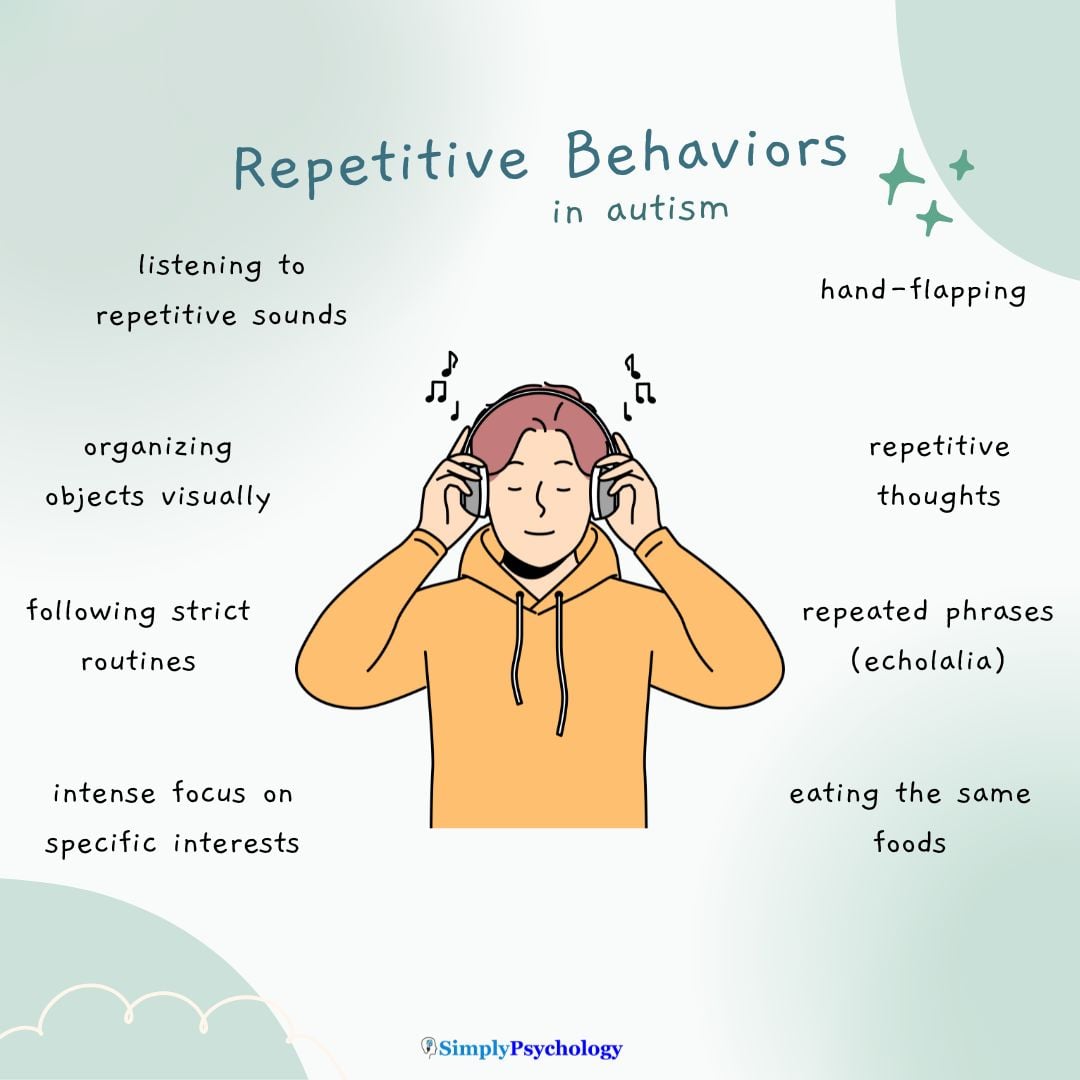
Moreover, echolalia — the repetition of words or phrases heard from others, often like an echo — can be a telltale sign. This behavior can seem puzzling, yet it usually serves as an adaptive communication strategy before more functional language emerges. It’s a fascinating lens into the child’s cognitive processing, hinting at the non-linear language acquisition pathways present in autism.
In parallel, some toddlers may manifest an unusual prosody or tonal pattern when they do speak—a sing-song voice or flat intonation can mirror the internal struggle to mirror the nuanced rhythms of human interaction. Recognizing these markers early can pave the way for specialized speech and language therapy tailored to the child’s unique processing style.
Restricted Interests and Repetitive Behaviors
A common observation that often puzzles caregivers is a toddler’s intense fascination with particular objects, patterns, or movements. While all toddlers explore that which captivates them, children with autism frequently display an almost hypnotic fixation on specific stimuli — spinning wheels, flashing lights, or repetitive lining up of toys, for example.
These repetitive behaviors, known as “stereotypies,” are more than mere quirks; they often serve as mechanisms to regulate sensory input or manage anxiety. The fixation speaks to the neurological intricacies underlying sensory processing and attentional control. For caregivers, this can initially appear as mere stubbornness or obsession but understanding it as a self-soothing or sensory integration strategy can transform the approach toward empathy and intervention.

Sensory Sensitivities and Unusual Responses
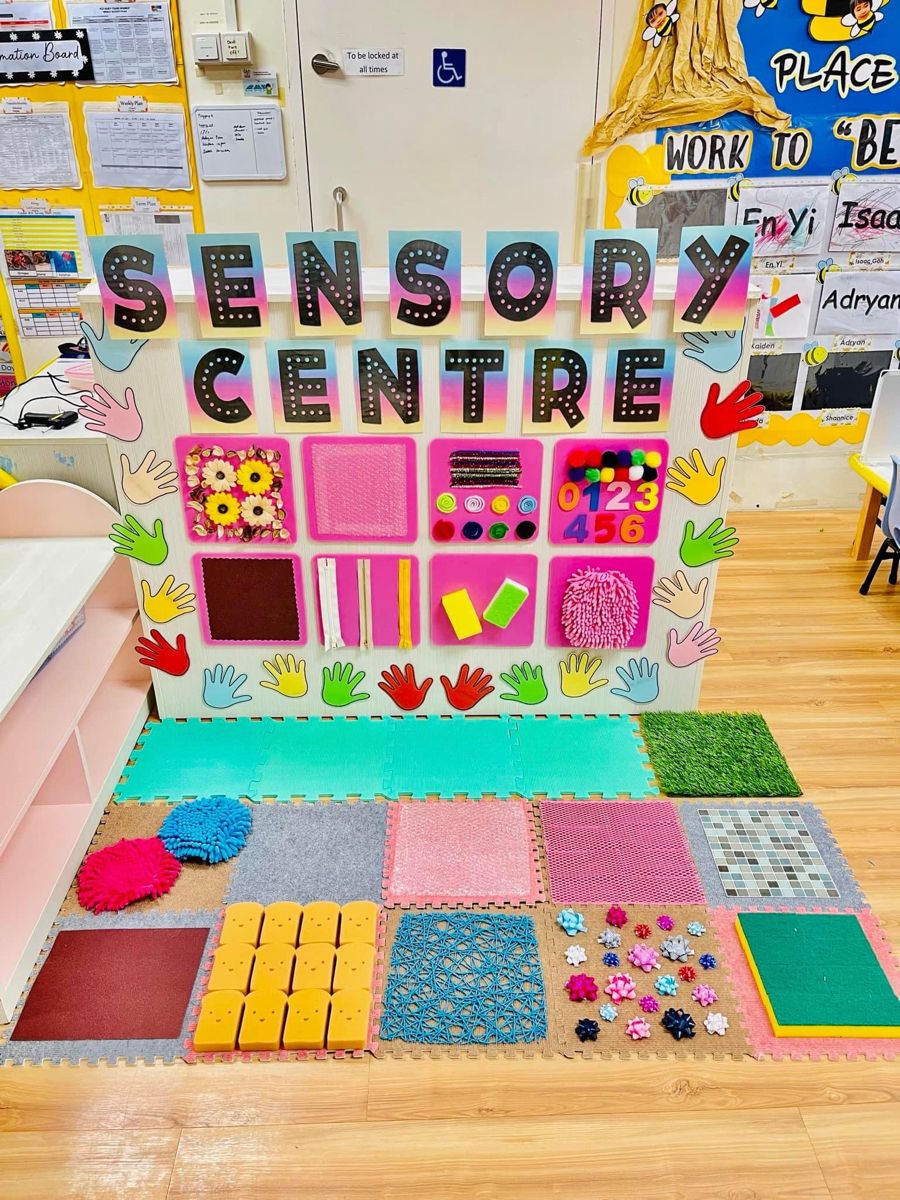
Another dimension frequently observed in toddlers with autism involves atypical reactions to sensory stimuli. They may be hypersensitive to certain sounds, textures, or lights. Conversely, some display hypo-responsiveness, exhibiting little reaction to pain or temperature.
It’s not uncommon for these children to cover their ears at noises that others scarcely notice, or to refuse certain clothing materials that trigger discomfort. These sensory processing differences can underpin much of their behavior and emotional regulation. Understanding this sensory world is paramount for caregivers and professionals seeking to create supportive environments that mitigate distress and foster engagement.
Delayed or Atypical Play Patterns
Play is the language of childhood, a window into development, creativity, and socialization. When a toddler’s play style diverges significantly, it can provide clues to an autism diagnosis. Instead of imaginative or symbolic play—pretending a block is a car, for instance—a toddler with ASD might focus on the sensory qualities of the toy, such as texture or movement.
Solitary play is often observed, with reduced interest in interactive or parallel play with peers or family members. This preference intimates the intricate neural choreography behind social engagement and communication. Observing these play patterns with attuned sensitivity can guide early intervention endeavors and therapeutic play strategies that nurture developmental growth.
Conclusion: Navigating Observations with Insight and Compassion
The journey of discerning whether a toddler exhibits signs of autism often begins with everyday observations tinged with a mix of hope and apprehension. Recognizing key indicators—social interaction nuances, communication differences, repetitive behaviors, sensory sensitivities, and play patterns—provides a compass through the often ambiguous early years.
Yet, beneath the surface of these behaviors lies a child with a distinct way of experiencing and interpreting the world. These early signs, if identified with understanding and prompt action, open the gateway to tailored support and enriched developmental pathways. Embracing the complexity behind the question—“Does my toddler have autism?”—is the first step in fostering a nurturing environment where each child’s unique potential can unfold.