
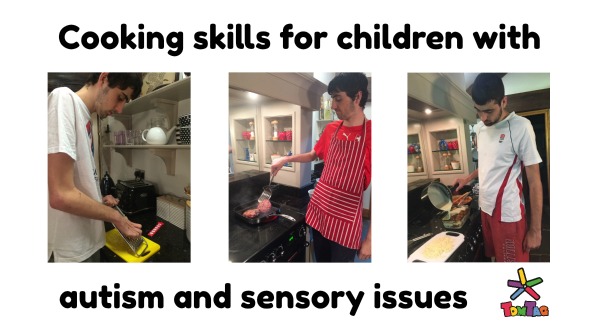
The act of stirring a pot, the sizzle of onions in a pan, the measured crunch of a freshly baked biscuit—these sensory moments are more than culinary rituals. They are gateways to independence, confidence, and connection. For individuals on the autism spectrum, cooking is not merely a hobby; it is a transformative life skill that nurtures autonomy, sharpens focus, and fosters social bonds. Yet, the journey from recipe to resilience is often overlooked in favor of more conventional educational pathways. What if the kitchen could become a classroom where confidence is the main course? What if the rhythm of chopping vegetables could teach patience as effectively as any textbook? This is the untold story of how cooking reshapes lives, one meal at a time.
The Kitchen as a Classroom: Where Autonomy Takes Root
Imagine a space where every utensil, every ingredient, and every step is a deliberate choice. For individuals with autism, the structured environment of a kitchen can be a sanctuary of predictability. Unlike the unpredictable social landscapes of school or work, the kitchen offers a tangible, repeatable process with clear outcomes. Chopping carrots becomes a lesson in fine motor precision. Measuring flour teaches mathematical reasoning. Following a recipe step-by-step instills sequential thinking—skills that extend far beyond the countertop.
But the benefits run deeper than cognition. Cooking fosters a sense of ownership. When a person with autism prepares a meal, they are not just following instructions—they are creating something tangible, something that nourishes both body and self-worth. This autonomy ripples into other areas of life, reducing reliance on caregivers and building a foundation for lifelong independence. The kitchen, often seen as a place of chaos, becomes a stage for self-mastery.
Sensory Harmony: Turning Overwhelm into Opportunity
For many autistic individuals, sensory sensitivities can turn everyday experiences into challenges. The smell of garlic, the texture of raw dough, the sound of a blender—these stimuli can be overwhelming. Yet, cooking provides a controlled way to gradually desensitize and integrate sensory experiences. A person who once recoiled from the smell of onions may, over time, learn to appreciate their pungent aroma as part of a beloved dish. The key lies in pacing and choice. Starting with low-sensory recipes (like smoothies or simple sandwiches) allows for gradual exposure, turning sensory hurdles into manageable milestones.

Moreover, cooking engages multiple senses simultaneously—sight, touch, smell, sound, and taste—creating a rich, immersive learning experience. This multisensory approach can enhance memory retention and cognitive flexibility, making it an ideal tool for skill-building. The kitchen, then, is not just a place of nourishment; it is a sensory gymnasium where resilience is forged through repetition and adaptation.
Structure and Routine: The Recipe for Predictability
Autistic individuals often thrive in environments with clear structures and predictable routines. A recipe, with its ordered steps and measurable outcomes, provides exactly that. The act of gathering ingredients, preheating the oven, and timing each stage creates a rhythm that can be comforting and reassuring. This structure reduces anxiety by replacing uncertainty with a known sequence of actions.
Yet, cooking also introduces controlled variability. What happens if the oven runs hot? What if the recipe calls for an ingredient that isn’t available? These small deviations teach problem-solving and adaptability—critical life skills. The kitchen becomes a microcosm of real-world challenges, where mistakes are not failures but opportunities to refine technique. Over time, this builds confidence in navigating the unpredictability of daily life.
Social Alchemy: Cooking as a Bridge to Connection
While cooking is often seen as a solitary activity, it is also a powerful social catalyst. Shared meals create opportunities for bonding, communication, and collaboration. For autistic individuals, cooking with others can demystify social interactions by framing them within a structured, goal-oriented activity. The focus shifts from “What do I say?” to “What do I do next?”—a subtle but profound shift that reduces social pressure.
Cooking classes or family meal-prep sessions can also serve as safe spaces for practicing social cues. Turn-taking, sharing tools, and following group instructions become part of the culinary process. The shared goal of creating a meal fosters camaraderie, turning what might otherwise be a source of stress into a shared triumph. In this way, the kitchen becomes a social laboratory where connections are forged through collaboration rather than forced conversation.
Life Skills Beyond the Plate: The Ripple Effect of Cooking
The lessons learned in the kitchen extend far beyond food preparation. Time management is honed as one learns to balance prep time with cooking time. Budgeting skills develop when planning meals around affordable ingredients. Nutrition awareness grows as individuals explore the health benefits of different foods. Even hygiene practices—washing hands, cleaning surfaces—become ingrained habits that promote overall well-being.

Cooking also teaches patience—a virtue often undervalued in a fast-paced world. Waiting for dough to rise or water to boil requires discipline and delayed gratification. These are not just culinary skills; they are life skills that translate into better emotional regulation and resilience. The kitchen, then, is more than a place of sustenance; it is a training ground for adulthood.
Adapting the Approach: Tailoring Cooking to Individual Needs
No two autistic individuals are alike, and cooking programs must reflect this diversity. For some, visual recipes with step-by-step images may be more effective than written instructions. For others, hands-on learning with minimal verbal cues might work best. Technology can also play a role—apps that break down recipes into simple, interactive steps can make the process more accessible.
Safety is another critical consideration. Sharp knives, hot surfaces, and slippery floors require careful supervision and adapted tools (like safety knives or non-slip mats). The goal is not to eliminate challenges but to create a supportive environment where growth feels achievable. By tailoring the approach to individual strengths and needs, cooking becomes a personalized journey rather than a one-size-fits-all experience.
The Future of Culinary Education for Autistic Learners
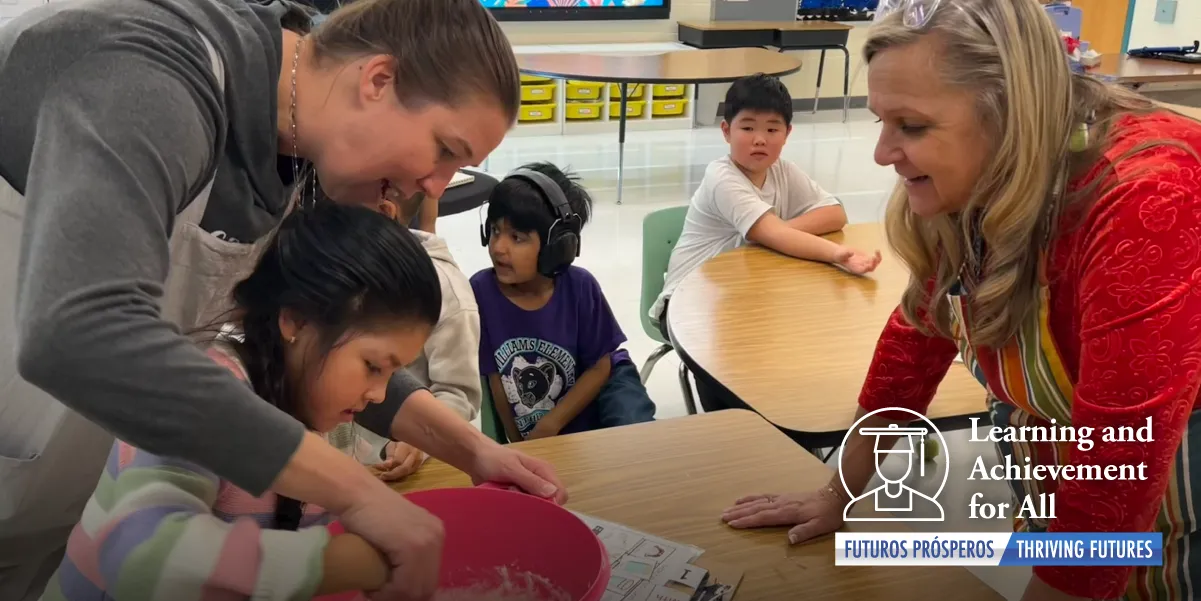
As awareness grows, so too do the opportunities for integrating cooking into educational and therapeutic programs. Schools and organizations are beginning to recognize the value of culinary education for autistic students, offering classes that blend life skills with sensory integration. These programs are not just about teaching recipes; they are about teaching independence, confidence, and self-advocacy.
Looking ahead, the potential for culinary education is vast. Virtual cooking classes could bring these skills to remote learners. AI-powered tools might personalize recipes based on sensory preferences. The kitchen of the future could be a hub of innovation, where technology and tradition intersect to create inclusive learning experiences. The key is to keep the focus on the individual—on their pace, their strengths, and their aspirations.
The act of cooking is, at its core, an act of creation. It is a declaration that one is capable, that one has something to contribute. For autistic individuals, this declaration is revolutionary. It shifts the narrative from limitation to possibility, from dependence to autonomy. The kitchen is not just a place where meals are made; it is where lives are transformed. And the first bite of independence? It tastes like empowerment.












