
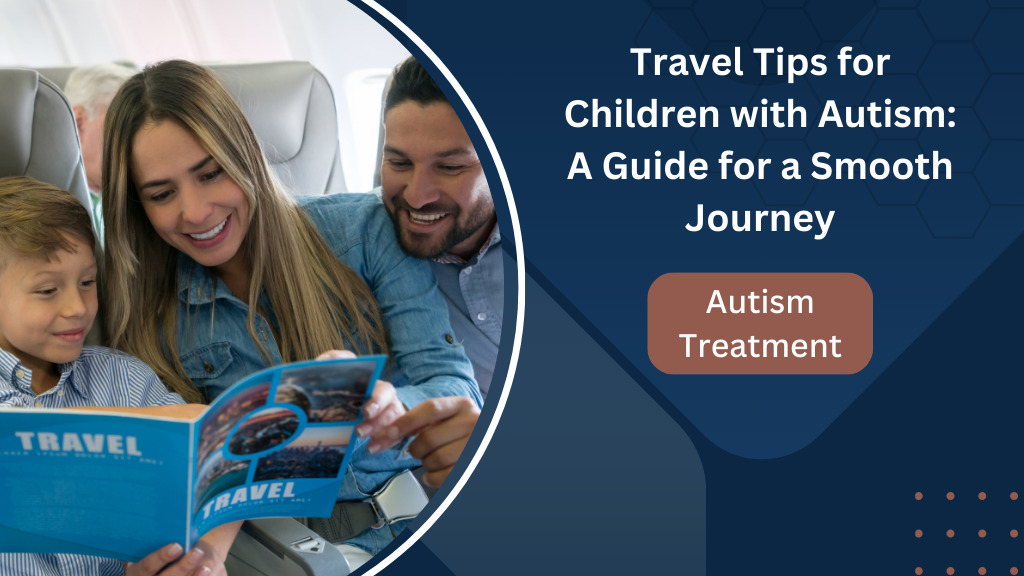
Traveling by car with a person on the autism spectrum can feel like navigating a labyrinth of sensory triggers, emotional fluctuations, and logistical hurdles. Yet, with thoughtful preparation, the journey can transform from a daunting ordeal into a manageable, even enjoyable, experience. Whether you’re embarking on a cross-country road trip or a simple errand across town, understanding the unique needs of your travel companion is paramount. This guide delves into the intricacies of autism and car travel, offering practical strategies to ensure a smoother ride for everyone involved.
The key to a successful car journey lies in anticipation. Autistic individuals often thrive on routine and predictability, so disrupting their comfort zone without warning can lead to distress. A sudden change in plans or an unfamiliar route might trigger anxiety, sensory overload, or even meltdowns. However, by implementing a structured approach—one that balances preparation with flexibility—you can mitigate many of these challenges. This article explores the essential steps to take before, during, and after the trip, ensuring that both the driver and the passenger can focus on the adventure rather than the obstacles.
The Prelude: Pre-Trip Preparation
Before the engine even hums to life, meticulous planning can make the difference between a serene drive and a chaotic one. Start by familiarizing your travel companion with the destination and route. Use visual aids like maps, photos, or even a simple storybook to illustrate the journey. For those who benefit from social stories, craft a narrative that outlines each step of the trip, from packing the car to arriving at the final destination. This not only demystifies the process but also empowers the individual with a sense of control.
Next, consider the sensory environment of the vehicle. The hum of the engine, the scent of the interior, the texture of the seats—each element can either soothe or overwhelm. If your car has strong odors, consider air fresheners with mild, neutral scents or even a small, familiar object like a favorite blanket or stuffed animal to create a comforting atmosphere. Noise-canceling headphones or earplugs can be invaluable for those sensitive to auditory stimuli, while sunglasses or a brimmed hat may help reduce glare and visual stress.
Packing a “comfort kit” is another critical step. This portable arsenal might include noise-canceling headphones, fidget toys, preferred snacks, a change of clothes, and any sensory tools that bring comfort. Keep this kit within arm’s reach, ensuring that it’s easily accessible during the journey. Additionally, plan for frequent breaks. Autistic travelers often benefit from periodic stops to stretch, walk, or simply decompress. Research rest areas or quiet spots along your route where you can pause without feeling rushed.
Route Mastery: Navigating the Journey
Once the journey begins, the real test of preparation unfolds. The initial minutes of the trip are often the most challenging, as the transition from the familiar to the unknown can be jarring. To ease this shift, consider playing calming music or an audiobook that aligns with your travel companion’s interests. The familiar sounds can act as an auditory anchor, grounding them in the present moment.
If your travel companion is prone to motion sickness, consult a healthcare provider about appropriate remedies. Over-the-counter medications or natural alternatives like ginger chews can alleviate nausea, but always test these solutions beforehand to ensure they don’t cause adverse reactions. Additionally, avoid heavy meals before the trip, as they can exacerbate discomfort. Opt for light, easily digestible snacks instead.
For those who struggle with transitions, use timers or visual countdowns to signal upcoming stops or changes in activity. A simple, “We’ll be at the park in 10 minutes,” can provide the reassurance needed to navigate the final stretch of the drive. If unexpected delays arise—traffic, detours, or construction—communicate these changes calmly and clearly. A sudden reroute can feel like a betrayal of trust, so explaining the reason behind the detour can help mitigate frustration.
Another strategy is to assign a “travel buddy” role to your companion. Giving them a sense of responsibility, such as handing them a map or asking them to announce upcoming exits, can foster engagement and reduce anxiety. This small act of inclusion can make them feel like an active participant in the journey rather than a passive passenger.
Sensory Sanctuaries: Creating a Calm Car Environment
The interior of a car is a microcosm of sensory experiences, and each element can either contribute to harmony or discord. Start with the basics: temperature control. Autistic individuals may have heightened sensitivity to heat or cold, so ensure the climate is set to a comfortable level before departure. Layered clothing options can also help, allowing for adjustments as needed.
Lighting plays a crucial role in sensory regulation. Harsh sunlight streaming through the windows can be overwhelming, so use sunshades or tinted windows to diffuse the light. For those sensitive to fluorescent lighting in rest stops or gas stations, a small, portable lamp with warm, soft light can provide a familiar glow in an otherwise stark environment.
Texture is another consideration. The feel of the seat fabric, the roughness of a seatbelt, or the tightness of clothing can all contribute to discomfort. If your travel companion is particular about textures, bring along a favorite hoodie, blanket, or even a seat cushion to create a more agreeable seating experience. Additionally, consider the tactile experience of the steering wheel or gear shift. If the material feels unpleasant, a simple grip cover might make all the difference.
Finally, don’t underestimate the power of scent. A familiar fragrance, such as a lightly scented sachet or a dab of essential oil on a tissue, can evoke a sense of safety and calm. However, be mindful of potential sensitivities—strong or synthetic scents can be just as problematic as no scent at all.
Post-Journey Reflection: The Art of Unwinding
The moment the car comes to a stop, the journey isn’t quite over. For many autistic individuals, the transition from travel mode to “home” mode can be just as disorienting as the initial departure. Allow time for decompression. A quiet corner, a favorite activity, or even a few minutes of silence can help your travel companion readjust to their surroundings.
Reflect on the trip together. Ask open-ended questions about what went well and what could be improved for next time. This not only validates their experience but also reinforces a sense of collaboration. Celebrate small victories, whether it was a smooth drive or simply managing a minor hiccup without distress.
Finally, document the journey. Keep a travel journal or take photos to create a visual narrative of the trip. Over time, these mementos can serve as a reminder of past successes, building confidence for future adventures. Each journey, no matter how challenging, is a step toward greater comfort and familiarity with the world beyond the front door.
Autism and car travel don’t have to be at odds. With patience, preparation, and a willingness to adapt, the road can become a path to connection, exploration, and shared experiences. The key lies in seeing the journey not as a series of obstacles, but as an opportunity to create moments of joy, growth, and understanding.












