
The intersection of autism and the criminal justice system is a labyrinth of systemic oversight, where neurodivergent individuals often find themselves ensnared by procedures ill-equipped to accommodate their unique cognitive and emotional frameworks. While the broader discourse on autism advocacy has made strides in education and employment, the realm of criminal justice remains a glaring blind spot—one where misconceptions, lack of training, and institutional rigidity converge to perpetuate injustice. This article explores the multifaceted challenges autistic individuals face within this system, the ethical imperatives driving reform, and the tangible steps toward equitable treatment.
The Myth of Criminality: Dispelling Harmful Stereotypes
Autistic individuals are frequently misrepresented in public consciousness as either perpetual victims or, conversely, as potential threats. This binary framing obscures the reality that autism is a spectrum of neurocognitive differences, not a predictor of behavior. Studies indicate that autistic people are more likely to be victims of crime than perpetrators, yet their interactions with law enforcement are disproportionately fraught with peril. The criminalization of behaviors rooted in neurodivergence—such as stimming, social withdrawal, or atypical communication—exposes a critical flaw in how justice systems interpret noncompliance.
Consider the case of an autistic teenager detained for “disorderly conduct” after a meltdown triggered by sensory overload in a crowded public space. Without contextual understanding, such incidents are reduced to criminal acts rather than manifestations of unmet needs. This misclassification not only strips individuals of their dignity but also diverts resources away from addressing the root causes of distress. Advocacy must therefore pivot from reactive measures to proactive education, ensuring that first responders and legal professionals recognize autism as a factor in behavior rather than an excuse for punitive action.
Legal Quagmires: Navigating a System Designed for Neurotypicality
The legal system’s reliance on standardized procedures creates an inhospitable environment for autistic individuals. From the moment of arrest to the intricacies of courtroom testimony, each stage is fraught with potential for miscommunication and coercion. Miranda rights, for instance, assume a baseline level of comprehension that many autistic individuals do not possess. The pressure to waive rights—often without full understanding—can lead to false confessions, a phenomenon well-documented in wrongful conviction cases.
Moreover, the adversarial nature of courtrooms exacerbates the challenges faced by autistic defendants. Cross-examinations, rapid-fire questioning, and the expectation of eye contact are not merely uncomfortable for many autistic individuals; they can be cognitively overwhelming. The absence of accommodations, such as extended time to process questions or alternative communication methods, further tilts the scales of justice. Reform efforts must prioritize the integration of autism-specific training for legal professionals, alongside the development of protocols that mitigate the risk of coercion and misinterpretation.
Sensory and Environmental Triggers: The Invisible Barriers to Justice
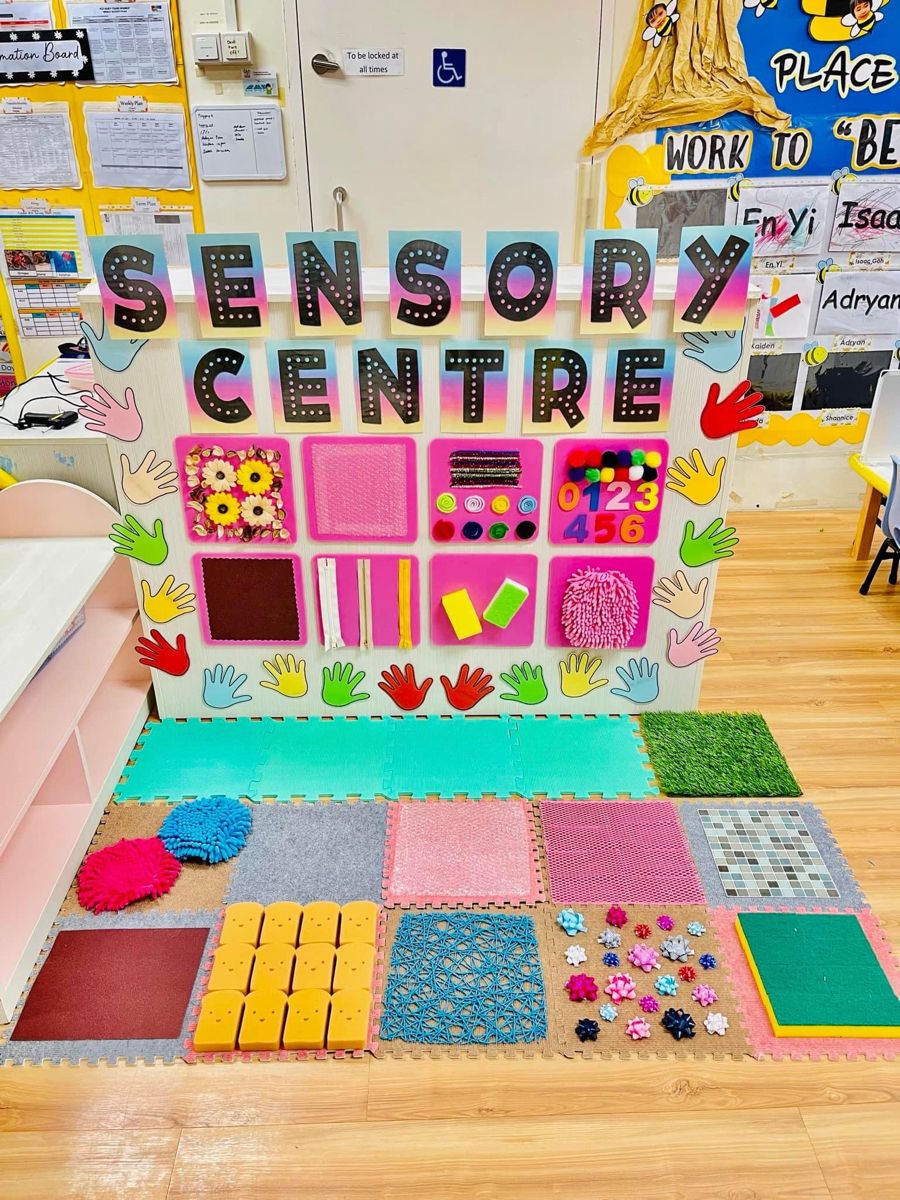
Courtrooms, police stations, and detention facilities are often sensory minefields for autistic individuals. Fluorescent lighting, the hum of electronic devices, and the cacophony of voices can induce severe distress, yet these environmental factors are rarely considered in the design of legal spaces. The result is a paradox: institutions tasked with upholding justice become instruments of punishment through their very design.
Imagine an autistic defendant attempting to participate in their own defense while seated in a fluorescent-lit interrogation room, the scent of disinfectant clinging to the air. The sensory assault can impair their ability to articulate their thoughts, leading to misunderstandings that are later weaponized in court. Advocacy must extend beyond legal reforms to include the redesign of physical spaces, ensuring they are sensory-friendly and conducive to clear communication. This could involve the use of natural lighting, noise-canceling materials, and private consultation areas where individuals can regroup before proceedings.
Mental Health and the Criminalization of Neurodivergence
The criminal justice system is increasingly recognized as a de facto mental health provider, yet its capacity to address the needs of autistic individuals remains woefully inadequate. Many autistic people enter the system not as criminals but as individuals in crisis, their behaviors misinterpreted as defiance or aggression. Without access to trained mental health professionals who understand autism, these individuals are funneled into cycles of incarceration rather than receiving the support they require.
Jails and prisons are ill-equipped to manage the unique needs of autistic inmates. Isolation, lack of routine, and the threat of violence exacerbate autistic traits, leading to further behavioral challenges. The result is a revolving door of recidivism, where individuals are punished for symptoms of their condition. Advocacy must push for the integration of autism-informed mental health services within correctional facilities, alongside policies that prioritize diversion programs over incarceration for nonviolent offenses.
Advocacy in Action: Policy Reforms and Community Initiatives
Change is not merely a theoretical pursuit; it is forged through tangible policy reforms and grassroots initiatives. Several jurisdictions have begun to implement autism-specific training for law enforcement, equipping officers with the tools to recognize and de-escalate autistic behaviors. Programs such as the “Autism Shield” initiative in some U.S. states provide officers with decals to identify autistic individuals during traffic stops, reducing the risk of escalation.
Community-based advocacy groups are also playing a pivotal role in bridging gaps between autistic individuals and the justice system. These organizations offer workshops for families on navigating legal proceedings, as well as peer support networks for autistic individuals who have interacted with law enforcement. Their work underscores the importance of centering the voices of autistic people in reform efforts, ensuring that solutions are rooted in lived experience rather than assumptions.
The Path Forward: A Call for Systemic Empathy
The journey toward justice for autistic individuals within the criminal justice system is not a solitary one; it demands collaboration across sectors—legal, medical, educational, and social. It requires a fundamental shift in how society perceives autism, moving beyond stereotypes to embrace the complexity of neurodivergence. This shift must be accompanied by investment in training, infrastructure, and policies that prioritize understanding over punishment.
For autistic individuals, the stakes could not be higher. A single misstep in the justice system can have lifelong consequences, from criminal records to the erosion of trust in institutions. Yet, with concerted effort, these outcomes are not inevitable. By advocating for fair treatment, we affirm that justice is not a privilege reserved for the neurotypical—it is a right that must be extended to all.
The road ahead is long, but the momentum is undeniable. Each policy change, each training session, each act of advocacy chips away at the systemic barriers that have long marginalized autistic individuals. The goal is not merely to reform the system but to reimagine it—one where justice is not just blind, but perceptive; not just impartial, but empathetic. In this reimagined system, autistic individuals will no longer be collateral damage of institutional rigidity, but empowered participants in their own pursuit of fairness.