Have you ever wondered why a simple petting zoo visit feels like a reset button for the soul? Or why a child with autism might suddenly find their voice while grooming a goat? The answer lies not in magic, but in the profound, often overlooked bond between humans and farm animals—a bond that science is only beginning to unravel. Autism and farm animals share an unexpected synergy, one that transforms therapy from clinical exercises into organic, joy-filled interactions. But what if the very animals meant to heal also pose a challenge? What if their unpredictability becomes part of the journey? Let’s explore this intricate dance between vulnerability and vitality, where farm animals don’t just offer companionship—they become co-therapists in the most unconventional sense.
The Unspoken Language of Farm Animals: Why They Speak to the Autistic Mind
Farm animals communicate in a language stripped of social nuance, devoid of the overwhelming stimuli that often trigger sensory overload in individuals with autism. A cow’s lowing hum, the rhythmic clucking of hens, the soft nudge of a goat’s nose—these are raw, unfiltered sounds and sensations that don’t demand interpretation. For someone whose world is often a cacophony of misheard cues, the predictability of animal behavior becomes a sanctuary. Studies suggest that animals provide a “safe social buffer,” reducing the pressure to perform or conform. Their presence alone can lower cortisol levels, the hormone synonymous with stress, while simultaneously boosting oxytocin, the “bonding” chemical. It’s not about the animal understanding the individual; it’s about the individual finding a mirror in the animal’s simplicity—a reflection that says, “You are enough, just as you are.”
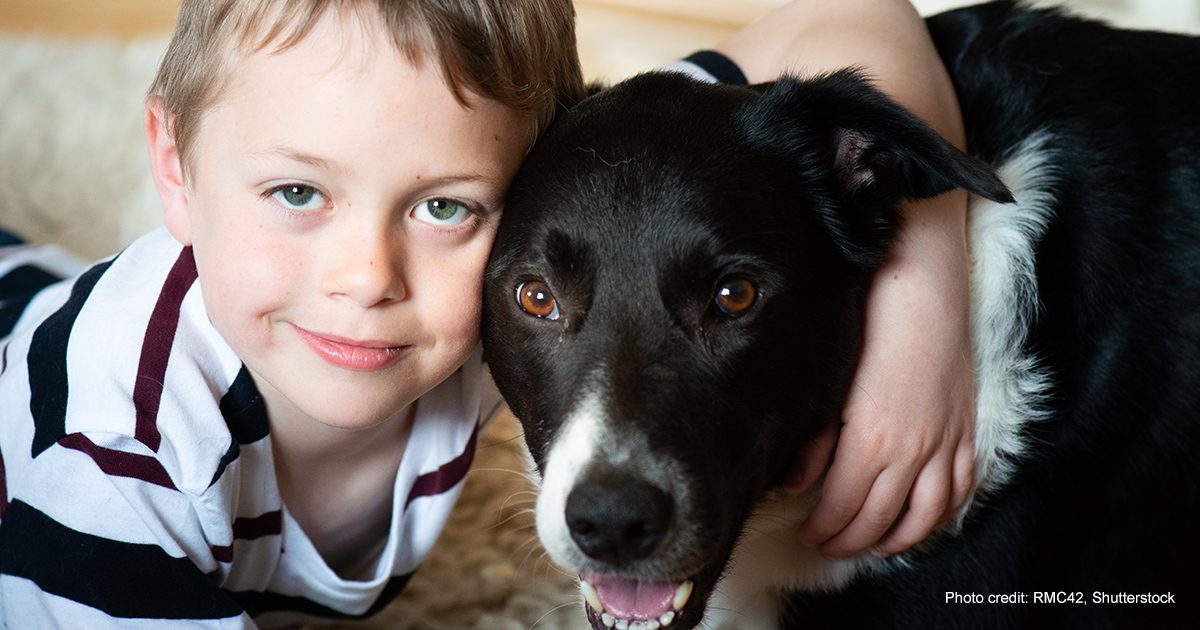
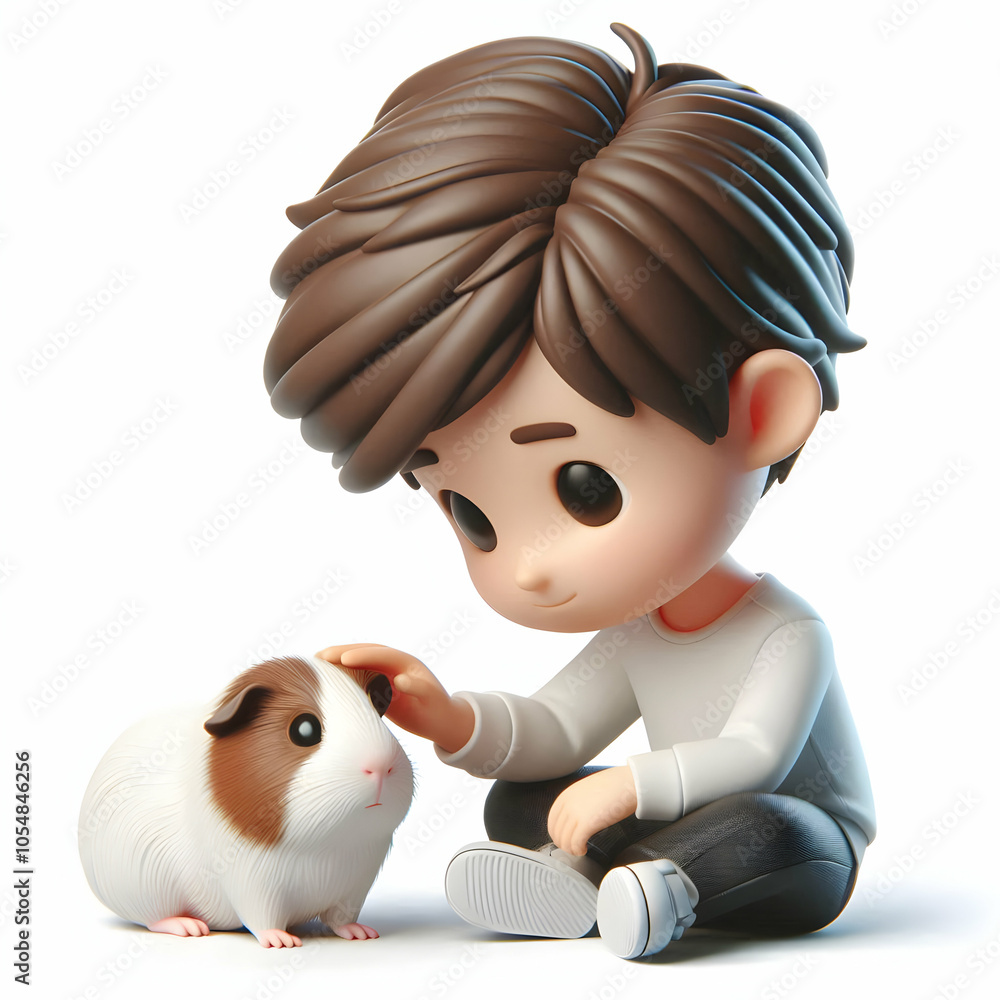
Consider the case of a nonverbal child who, after weeks of silence, whispers a single word while brushing a sheep’s wool. The act isn’t just motor skill practice; it’s a breakthrough in self-expression, facilitated by the animal’s nonjudgmental gaze. Farm animals don’t correct pronunciation or demand eye contact. They offer presence, and in that presence, a child with autism may discover a voice they didn’t know they possessed.
From Paddocks to Progress: The Science Behind Animal-Assisted Therapy
Animal-assisted therapy (AAT) isn’t a newfangled trend—it’s a practice rooted in ancient civilizations, from the Greeks using horses to heal the “unbalanced” to medieval monks keeping livestock for therapeutic companionship. Modern research, however, has peeled back the layers of this phenomenon, revealing measurable benefits. A 2020 study published in Frontiers in Psychology found that interactions with farm animals significantly improved social skills in children with autism spectrum disorder (ASD), particularly in areas like initiating conversations and sharing emotions. The key? The animals’ ability to elicit prosocial behaviors without the pressure of human interaction.
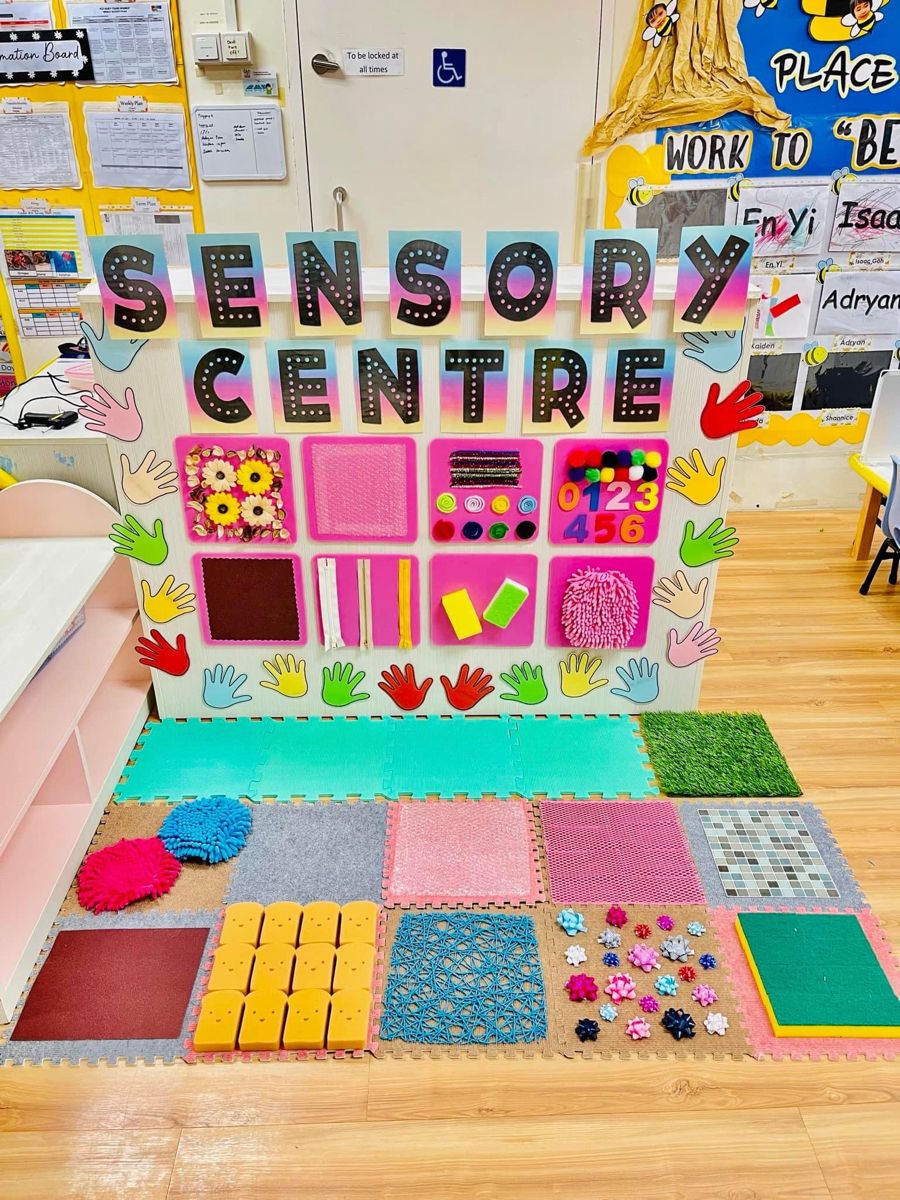
But how does this magic work? Farm animals, unlike their domesticated counterparts like dogs or cats, operate on a slower, more deliberate frequency. Their movements are predictable, their reactions immediate yet not intrusive. A child who struggles with transitions might find comfort in the routine of feeding a goat at the same time each day. The tactile experience of petting a rabbit’s fur can ground someone overwhelmed by visual chaos. Even the smell of hay or manure—often dismissed as unpleasant—can serve as an olfactory anchor, a sensory cue that grounds the individual in the present moment. It’s a multisensory symphony where each note is a step toward regulation.
Yet, the science also warns of a paradox: while animals can be catalysts for growth, they are not a one-size-fits-all solution. The very traits that make them therapeutic—unpredictability, physicality, and sensory richness—can also become triggers. A sudden loud noise from a startled pig or an overenthusiastic horse’s movement might send a child into a tailspin. The challenge isn’t just harnessing the benefits; it’s navigating the risks with intention and adaptability.
The Farm as a Classroom: Life Skills Grown in the Dirt
Beyond emotional regulation, farm animals offer a hands-on curriculum for life. Feeding chickens teaches responsibility. Milking a goat introduces fine motor skills and patience. Leading a donkey through an obstacle course hones coordination and impulse control. These aren’t abstract lessons; they’re tangible, immediate, and often deeply rewarding. For a child with autism who struggles with executive function, the farm provides a structured environment where actions have clear consequences. Miss feeding the ducks on time, and they’ll let you know—loudly. It’s a feedback loop that builds accountability without shame.
But the farm’s lessons extend beyond the individual. Group activities like collecting eggs or building a coop foster collaboration, a skill many with autism find challenging. The farm becomes a microcosm of the real world, where communication isn’t forced but emerges naturally from shared tasks. A teenager who avoids eye contact might find himself chatting with a peer while shoveling manure—not because he’s being prompted, but because the task demands it. The farm doesn’t just teach skills; it rewires social instincts.
The Unpredictable Variable: When Animals Become Triggers
Here’s the paradox no one talks about: the same animals that heal can also harm. A horse’s sudden bucking, a rooster’s aggressive pecking, or even the overwhelming size of a cow can trigger fear or meltdowns. For some, the farm isn’t a place of solace but a minefield of sensory landmines. The challenge isn’t just introducing animals into therapy; it’s doing so with safeguards. This is where the role of trained handlers becomes critical. A skilled therapist knows when to intervene, when to give space, and when to pivot to a different activity. It’s not about avoiding the triggers but learning to navigate them—turning fear into curiosity, frustration into problem-solving.
Consider the child who freezes at the sight of a large animal. Instead of forcing interaction, the therapist might start by observing the animal from a distance, using binoculars or a camera. Gradually, the child might help prepare food for the animal, then toss it from a safe distance, and finally—weeks later—approach with supervision. The goal isn’t to rush progress but to respect the individual’s pace. The farm, after all, is a place of both growth and grace.
Cultivating Connection: Practical Ways to Integrate Farm Animals into Autism Therapy
So, how can parents, therapists, and educators harness the power of farm animals without stumbling into pitfalls? Start small. A single rabbit in a quiet room might be less overwhelming than a barn full of goats. Use visual schedules to prepare the individual for the visit—timelines with pictures of the animals, the tasks, and the order of activities. Incorporate sensory-friendly tools like noise-canceling headphones or weighted blankets to mitigate overstimulation. And always, always prioritize the animal’s welfare. A stressed animal is a less effective therapist.
For those without access to a farm, alternatives exist. Therapy centers often use miniature horses, alpacas, or even chickens in controlled settings. Some families adopt a “farm pen” in their backyard, where a few docile animals can be cared for in a structured environment. The key is consistency. Animals thrive on routine, and so do individuals with autism. When both align, the magic happens.
The Ripple Effect: How Farm Animals Change More Than Just the Individual
The benefits of farm animal interactions extend beyond the person with autism. Siblings learn patience and empathy. Parents witness their child’s progress in real time, often for the first time. Teachers and therapists gain new tools for engagement. Even the animals themselves seem to thrive in these roles, their natural behaviors aligning with therapeutic goals. A cow that enjoys being brushed becomes a willing participant in a child’s sensory exploration. A goat that seeks attention becomes a bridge to social interaction. It’s a symbiotic relationship where everyone grows.
But perhaps the most profound impact is on the perception of autism itself. In a world that often pathologizes neurodivergence, the farm offers a different narrative—one where differences aren’t deficits but simply different ways of being. A child who flaps their hands isn’t “stimming”; they’re communicating in their own language. A teen who avoids eye contact isn’t rude; they’re conserving energy for what matters. The farm doesn’t change the individual; it changes how the world sees them.
So, the next time you see a child with autism light up at the touch of a sheep’s wool or hear a nonverbal teen giggle while leading a donkey, remember: this isn’t just therapy. It’s a revolution in how we understand connection, growth, and the unspoken bonds that tie us all to the natural world. The farm isn’t just a place of healing; it’s a reminder that sometimes, the most profound transformations come not from grand gestures, but from the quiet, persistent presence of another living being.
The journey isn’t always smooth. There will be setbacks, unexpected challenges, and moments of doubt. But in those moments, look to the farm—not as a place of perfection, but as a testament to resilience. After all, even the most stubborn goat eventually learns to trust. Why shouldn’t we?