Amusement parks are not merely collections of whirring rides and sugar-fueled laughter; they are vast, kinetic symphonies where motion composes an anthem to joy. For families navigating the intricate rhythms of autism, these vibrant landscapes can feel less like a playground and more like a labyrinth of unpredictable stimuli—flashing lights, thunderous noise, and the chaotic hum of a thousand voices. Yet, with thoughtful preparation, an amusement park can transform from a daunting fortress of sensation into a welcoming sanctuary of shared delight. The key lies not in avoiding the storm of stimulation, but in learning to dance within it, choreographing a day that harmonizes with a child’s unique sensitivities rather than clashing against them.
The Prelude: Choosing the Right Park as Your Overture
Not all amusement parks are composed in the same key. Some are grand orchestras with full-throated brass sections, while others offer the gentle pluck of acoustic strings. Opting for a park known for its sensory-friendly initiatives is akin to selecting a venue that already understands the tempo of your family’s needs. Look for parks that have designated quiet zones, reduced wait times, or special sensory guides that map attractions by their intensity. These thoughtful touches transform a potentially overwhelming experience into one that feels curated, almost bespoke, for neurodiverse visitors. The goal is not to find a park that mutes its magic, but one that modulates it—like a dimmer switch adjusting the brilliance of a chandelier to suit the room’s mood.
Mapping the Terrain: Crafting a Sensory Cartography
Before setting foot in the park, treat the map like a treasure chart, marking not just the location of rides, but the emotional climate of each zone. Use the park’s app or printed guide to identify areas of refuge—shaded benches tucked beneath trees, air-conditioned pavilions, or rooms designed for decompression. Plot your route like a seasoned explorer, prioritizing attractions that align with your child’s comfort level. If certain rides are known for sudden drops or loud soundtracks, save them for later, when the day’s rhythm has settled into a steady pulse. This isn’t about avoidance; it’s about pacing. Think of it as composing a sonata, where each movement builds upon the last, crescendoing only when the listener is ready.
The Art of the Queue: Turning Waiting into a Ritual
Lines at amusement parks are not just logistical necessities; they are microcosms of anticipation, where time stretches like taffy. For a child with autism, the uncertainty of waiting can feel like standing on the edge of a cliff, toes curled over the precipice of sensory chaos. Counter this by transforming the queue into a ritual of engagement. Bring noise-canceling headphones to muffle the ambient clamor, or a fidget toy to channel restless energy. Turn the wait into a game—counting the number of pigeons perched on lampposts, or guessing the next ride’s theme based on the music drifting from speakers. These small distractions act as bridges, spanning the gap between impatience and immersion. The queue, then, becomes not a barrier, but a prologue to the adventure ahead.
Ride Selection: Composing a Playlist of Thrills
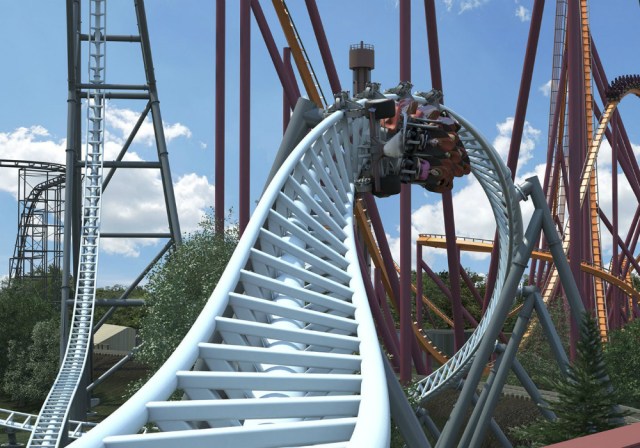
Not all rides are created equal in the symphony of sensation. Some are gentle lullabies, while others are full-throttle crescendos. Begin with the softer movements—carousel rides that spin like slow-motion dreams, or gentle boat rides that glide through tranquil waterways. These acts ease the listener into the performance, allowing the senses to acclimate without shock. Save the high-energy pieces—the roller coasters with their heart-stopping drops and roaring engines—for when the audience is primed, when the initial crescendo of the day has settled into a steady rhythm. And remember, it’s perfectly acceptable to exit a ride mid-performance if the tempo becomes too intense. The park will still be there, waiting like a patient conductor, ready to resume the symphony when the time is right.
Sensory Anchors: The Unseen Pillars of Comfort
Amidst the kaleidoscope of colors and sounds, sensory anchors serve as silent sentinels, grounding the experience in familiarity. These might be a favorite snack tucked in a backpack, a weighted lap pad draped over shoulders, or a familiar scent—perhaps a dab of lavender oil on a wrist—to cut through the olfactory chaos. Even the texture of clothing can act as an anchor; soft, breathable fabrics reduce tactile irritation, while seamless seams prevent the distraction of itchy tags. Think of these anchors as the bassline of your day—a steady, reassuring hum that underpins every high note and low. They are the unsung heroes of the amusement park experience, the quiet guardians that ensure the music never swells beyond the listener’s capacity to enjoy it.

The Intermission: Embracing the Pause
Every symphony includes a pause, a moment of silence where the music breathes before resuming its dance. Amusement parks, too, offer these intermissions—quiet corners where families can retreat, regroup, and recharge. Seek out these sanctuaries early in the day, before exhaustion sets in. Whether it’s a dimly lit room with soft lighting, a sensory garden where the rustle of leaves replaces the roar of engines, or a simple bench beneath a tree, these spaces are not signs of defeat, but of strategy. They are the pauses that allow the music to continue, uninterrupted by sensory fatigue. Use them not as a last resort, but as a deliberate part of the composition, a necessary rest before the final movement.
The Finale: Ending on a High Note
As the sun dips below the horizon, casting long shadows across the park, the day’s crescendo begins to fade. This is the time to reflect on the symphony that has unfolded—not as a series of rides and queues, but as a carefully composed journey. Perhaps the highlight was not the tallest roller coaster, but the quiet moment shared over a shared treat, or the laughter that bubbled up unexpectedly during a gentle ride. The finale of an autism-friendly amusement park day is not about conquering every attraction, but about finding joy in the rhythm of the experience itself. It’s about leaving with a sense of accomplishment, not because every note was perfect, but because the music was played in a way that honored the listener’s unique tempo.
Amusement parks, at their heart, are celebrations of movement and joy—a place where the boundaries between reality and fantasy blur into something magical. For families navigating autism, the challenge is not to shrink from this magic, but to learn its language. With patience, preparation, and a willingness to adapt, the park can become a stage where every family member, regardless of neurology, finds their own spotlight. The day may not follow the script you envisioned, but like any great improvisation, the unexpected notes often become the most memorable. In the end, the amusement park is not just a place of rides and laughter; it is a testament to the resilience of the human spirit, a reminder that joy, in all its forms, is always within reach—if only we know how to listen.