The holiday season descends like a glittering avalanche—shimmering, relentless, and impossible to ignore. For many, Christmas is a symphony of joy, a kaleidoscope of warmth and connection. But for those navigating the intricate landscape of autism, it can feel more like standing in the center of a bustling marketplace, where every stall clamors for attention, every scent vies for dominance, and the very air hums with an overwhelming cacophony. Sensory overload during Christmas isn’t just an inconvenience; it’s a full-body immersion in a world that refuses to slow down. Yet, within this sensory storm lies a unique opportunity—not just to survive, but to find moments of profound clarity, connection, and even beauty.
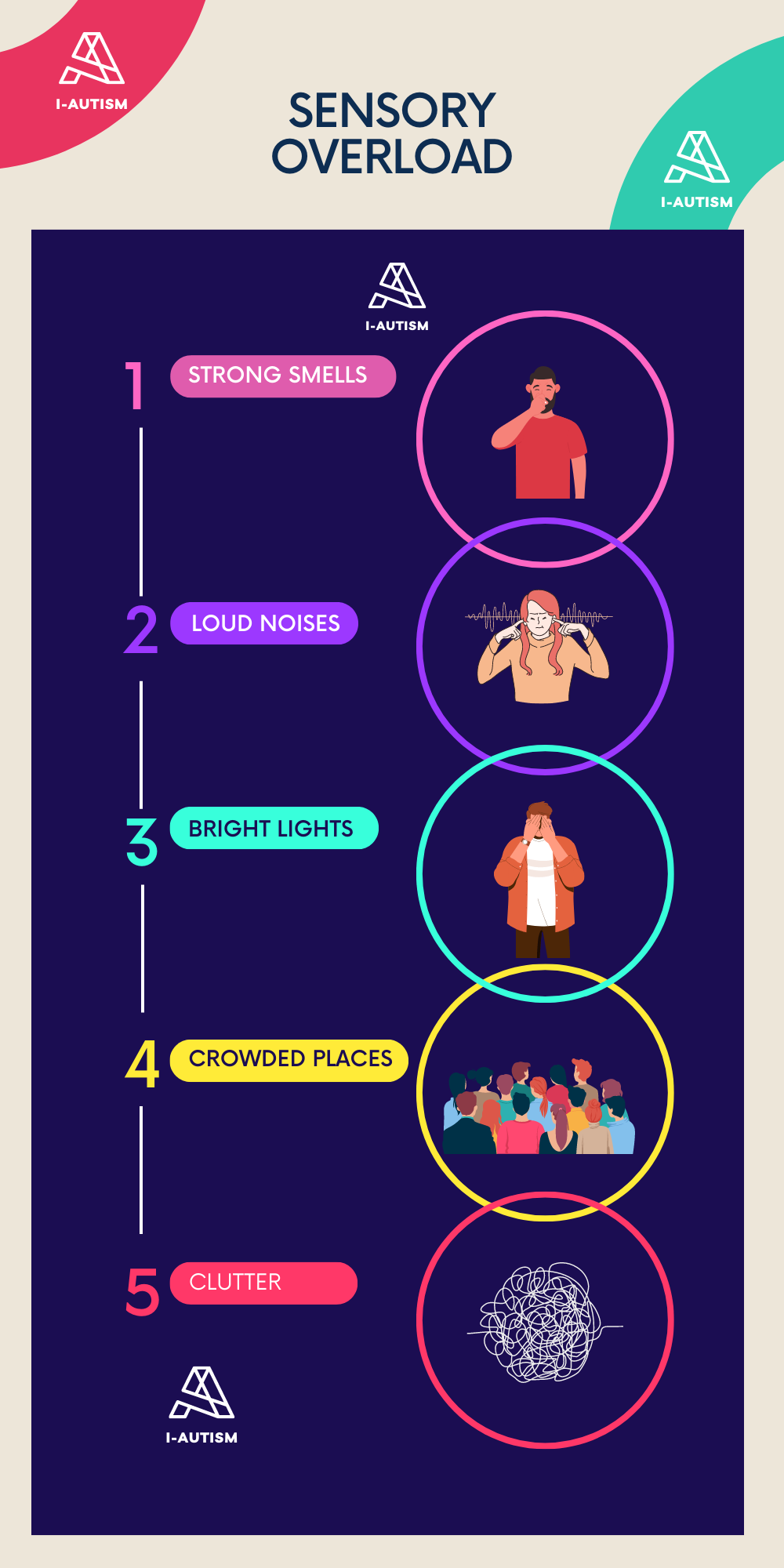
The holiday season is a masterclass in sensory bombardment. The visual assault begins early: twinkling lights strung across streets like constellations, their glow competing with the neon glow of advertisements. Stores transform into labyrinths of color and texture, their aisles cluttered with shiny wrapping paper, jingling ornaments, and the relentless hum of holiday music piped through hidden speakers. For someone with autism, stepping into a mall can feel like entering a sensory warzone, where the brain struggles to filter the deluge of stimuli. The brain, wired to process the world in its own way, becomes a sieve, straining to catch the right signals while drowning in the noise.
Sound, too, is a formidable adversary. The jingle of sleigh bells, the chatter of crowds, the blare of carols—each note strikes like a hammer against an anvil. Even the mundane becomes magnified: the crinkle of gift wrap, the clatter of dishes in a kitchen bustling with activity, the distant roar of a vacuum cleaner. These sounds don’t just fill the air; they occupy it, leaving little room for silence, for thought, for breath. It’s as if the world has turned up the volume on life itself, and there’s no off switch.
Then there are the textures—the scratchy sweaters, the sticky candy canes, the rough bark of a Christmas tree. Even the air carries a different weight, thick with the scent of pine, cinnamon, and roasting chestnuts. For someone with autism, these textures and smells can feel like an invasion, each one a reminder that the world is not just seen or heard, but felt in ways that are often overwhelming. The body becomes a battleground, where every sensation is a potential trigger, a reason to retreat, to seek refuge in a quieter, more controlled space.
But here’s the paradox: within this sensory chaos lies the potential for transformation. The key isn’t to eliminate the overload, but to navigate it with intention, to find the pockets of calm within the storm. One strategy is to create a sensory retreat—a quiet corner where the lights dim, the sounds soften, and the textures are soothing. This might be a cozy nook with weighted blankets, a pair of noise-canceling headphones, or a favorite book that offers an escape. The goal isn’t to shut out the world entirely, but to carve out a space where the senses can reset, where the brain can catch its breath.
Another approach is to reframe the experience. Instead of seeing the holiday season as a relentless assault, consider it a masterpiece of sensory artistry. The twinkling lights aren’t just bright; they’re a dance of photons, a ballet of illumination. The carols aren’t just noise; they’re a symphony of tradition and emotion. The textures aren’t just rough; they’re a tactile tapestry, a reminder of the world’s diversity. By shifting perspective, the overload becomes less of a burden and more of an exploration—a chance to engage with the world in a way that feels authentic and meaningful.
For families and loved ones, understanding is the first step toward creating a more inclusive holiday experience. Small adjustments can make a world of difference: dimming the lights, choosing quieter venues, or setting aside time for breaks. It’s not about avoiding the season altogether, but about making it more accessible, more enjoyable, for everyone involved. The goal isn’t to eliminate the magic of Christmas, but to ensure that its wonder is felt by all, in ways that resonate rather than overwhelm.
There’s also the matter of social expectations. The holidays are often framed as a time of unbridled joy, of gatherings and celebrations that demand participation. But for someone with autism, social interactions can be as draining as they are rewarding. The pressure to engage, to smile, to perform can feel like an invisible weight, a reminder that the world expects something that doesn’t come naturally. The solution isn’t to force participation, but to redefine what celebration looks like. It might mean celebrating in smaller, more intimate settings, or finding alternative ways to connect—through shared activities, through quiet moments of understanding, through the simple act of being present without the need for performance.
The holiday season, with all its sensory and social complexities, can also be a time of profound self-discovery. It’s an opportunity to recognize one’s own limits, to advocate for one’s needs, and to find strength in the act of self-advocacy. It’s a chance to teach others about the beauty of neurodiversity, to show that the world isn’t just one way of experiencing it, but many. And in doing so, it becomes possible to find moments of peace, of connection, of joy—even in the midst of the storm.
As the season unfolds, remember that the goal isn’t to survive Christmas, but to experience it on your own terms. The lights may still twinkle, the carols may still play, and the world may still buzz with energy. But within that energy, there’s room to find your own rhythm, your own way of celebrating, your own unique path through the sensory landscape. The holidays don’t have to be a time of overwhelm; they can be a time of discovery, of growth, of finding the extraordinary in the ordinary. And in that discovery, there’s a kind of magic all its own.

The world may never slow down, but that doesn’t mean you have to. This Christmas, find your own way to shine.