
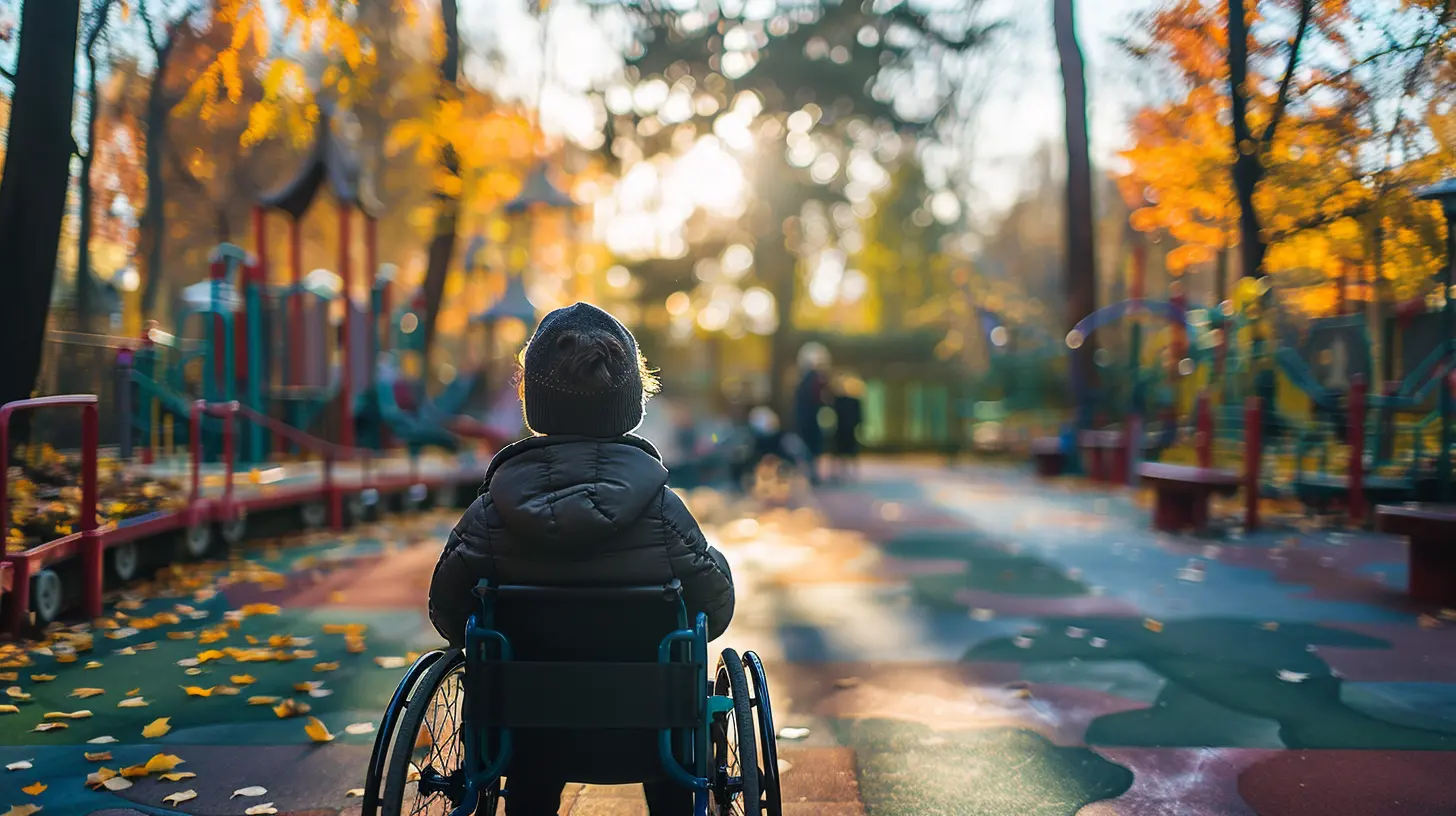
Autism and inclusive playgrounds are reshaping the way communities think about accessibility, play, and social integration. For children on the autism spectrum, traditional playgrounds often present barriers—not just physical, but sensory and social as well. These barriers can limit opportunities for growth, connection, and joy. Inclusive playgrounds, designed with neurodiversity in mind, offer more than just ramps and swings. They are carefully crafted environments that foster engagement, reduce stress, and celebrate individual differences. This evolution in playground design reflects a broader cultural shift toward acceptance and accessibility in public spaces.
As awareness of autism grows, so does the demand for environments that support diverse needs. Parents, educators, and advocates are increasingly calling for playgrounds that go beyond compliance with accessibility standards. They seek spaces where sensory sensitivities are accommodated, where social interactions are facilitated without pressure, and where every child—regardless of neurological makeup—can thrive. The movement toward inclusive playgrounds is not just about equity; it’s about reimagining play as a universal right, not a privilege.
The journey toward truly inclusive playgrounds begins with understanding the unique challenges faced by children with autism. Sensory overload, motor skill differences, and social communication barriers can turn a simple trip to the playground into an overwhelming experience. By addressing these challenges through thoughtful design, inclusive playgrounds create opportunities for children to explore, learn, and connect in ways that feel safe and empowering. This article explores the key elements of inclusive playgrounds, the benefits they offer, and how communities can advocate for their development.
The Sensory Landscape: Designing for Neurodiverse Needs
Playgrounds are sensory-rich environments, filled with sounds, textures, and movements that can either invigorate or overwhelm a child. For children with autism, sensory input is often processed differently, making certain playground features—like loud slides, rough surfaces, or chaotic swings—potentially distressing. Inclusive playgrounds address this by incorporating sensory-friendly elements that allow children to engage at their own pace and comfort level.
One innovative approach is the use of “sensory zones,” designated areas within the playground that cater to specific sensory experiences. For example, a quiet zone might feature soft flooring, muted colors, and enclosed structures to provide a retreat from overstimulation. Conversely, an active zone could include gentle, rhythmic equipment like spinning seats or textured panels to offer controlled sensory input. These zones are not isolated; they are interconnected pathways that encourage exploration while respecting individual thresholds.
Another critical consideration is the choice of materials. Traditional playground surfaces, such as pea gravel or rubber mats, can be problematic for children with tactile sensitivities. Inclusive designs often opt for smoother, more uniform surfaces like poured-in-place rubber or synthetic turf, which reduce discomfort and tripping hazards. Additionally, the incorporation of nature-inspired elements—such as water features, wind chimes, or aromatic plants—can provide calming sensory experiences that ground children in the present moment.
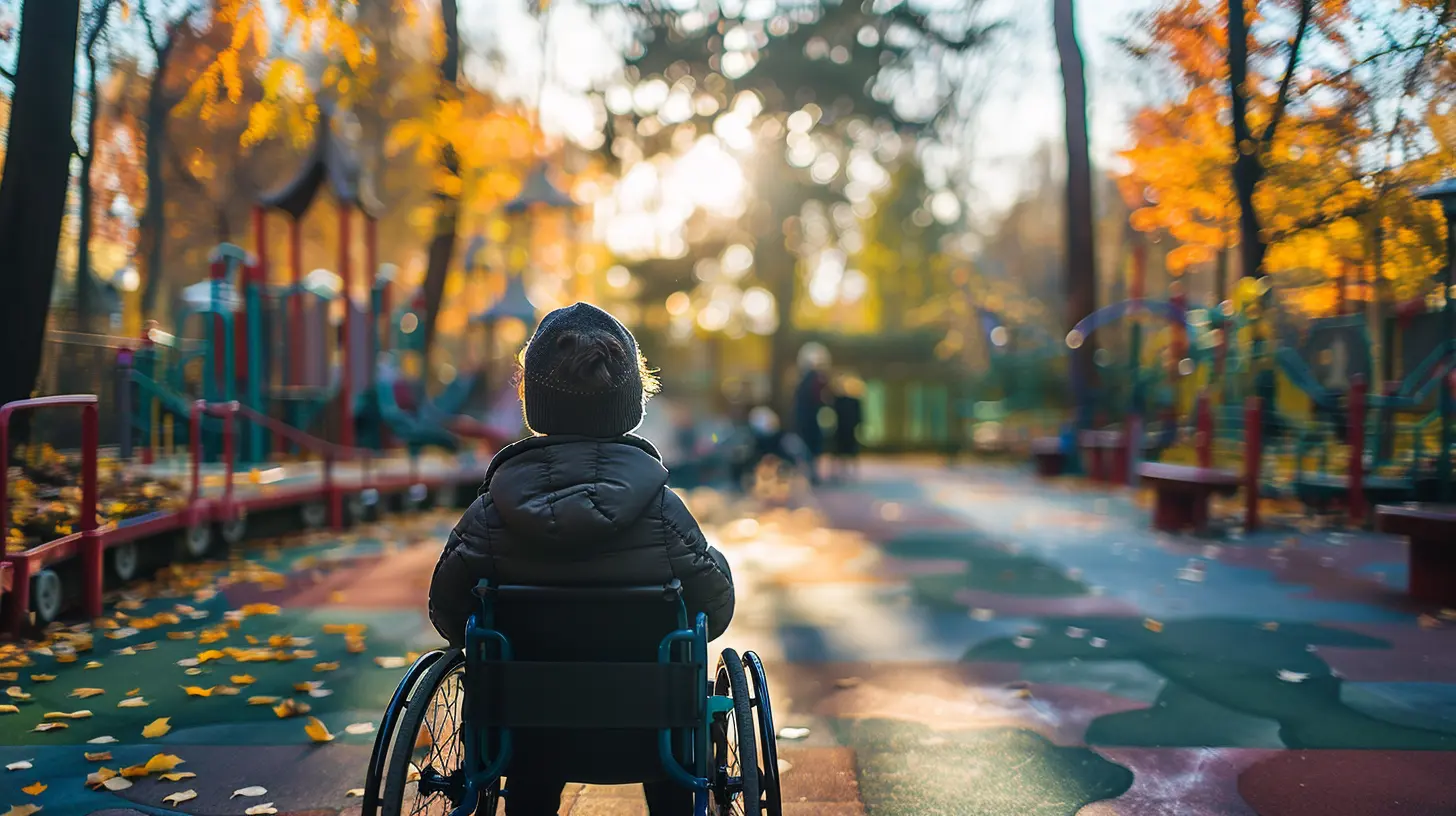
The layout of inclusive playgrounds also plays a pivotal role in sensory management. Circular or spiral pathways, for instance, allow children to navigate the space without abrupt changes in direction, which can be disorienting. Clear signage with visual cues—such as icons or color-coded paths—helps children anticipate transitions and reduces anxiety. By thoughtfully curating the sensory environment, inclusive playgrounds transform potential stressors into opportunities for discovery and growth.
Social Integration: Fostering Connection Without Pressure
Playgrounds are more than physical spaces; they are social ecosystems where children learn to interact, collaborate, and form friendships. For children with autism, navigating these social dynamics can be challenging. Traditional playgrounds often prioritize group play, leaving children who prefer solitary or parallel play feeling excluded. Inclusive playgrounds, however, are designed to accommodate a spectrum of social behaviors, ensuring that every child can participate in a way that feels authentic to them.
One effective strategy is the inclusion of “parallel play zones,” where children can engage in activities side by side without the expectation of direct interaction. For example, adjacent sandboxes or art stations allow children to share the space while maintaining their own rhythms. These zones are particularly beneficial for children who may not yet be ready for cooperative play but still enjoy the presence of peers. Additionally, the design of equipment itself can encourage social interaction without forcing it. Multi-user swings, inclusive merry-go-rounds, and cooperative climbing structures invite collaboration while respecting individual comfort levels.
Another key element is the role of caregivers and peers in facilitating inclusion. Inclusive playgrounds often feature seating areas where adults can supervise while remaining close enough to offer support if needed. These areas also serve as gathering spots for parents and caregivers, fostering a sense of community among families who share similar experiences. Peer modeling is another powerful tool—when neurotypical children see their peers with autism enjoying the playground, it normalizes diversity and encourages natural inclusion.
It’s also important to consider the timing of play. Sensory-friendly hours, where the playground is less crowded and quieter, can provide a more comfortable environment for children who struggle with large groups. During these times, the playground becomes a space of calm exploration rather than chaotic competition. By removing the pressure to conform to social norms, inclusive playgrounds create a foundation for meaningful connections to develop organically.
Physical Accessibility: Beyond Ramps and Railings
While ramps and railings are essential for physical accessibility, inclusive playgrounds go further to ensure that every child can navigate the space independently. This means rethinking traditional playground equipment to accommodate a wider range of abilities, from motor skills to balance and coordination. For children with autism who may also have physical disabilities, such as cerebral palsy or Down syndrome, these adaptations are crucial for participation.
One innovative solution is the use of “universal design” principles, which aim to create environments usable by people of all ages and abilities without the need for specialized adaptations. For example, ground-level play components—such as low tables, interactive panels, or musical instruments—allow children who use wheelchairs or walkers to engage fully. Transfer systems, like wide ramps with transfer platforms, enable children with limited mobility to move from their wheelchairs to play structures with ease. These features not only enhance accessibility but also promote independence and confidence.
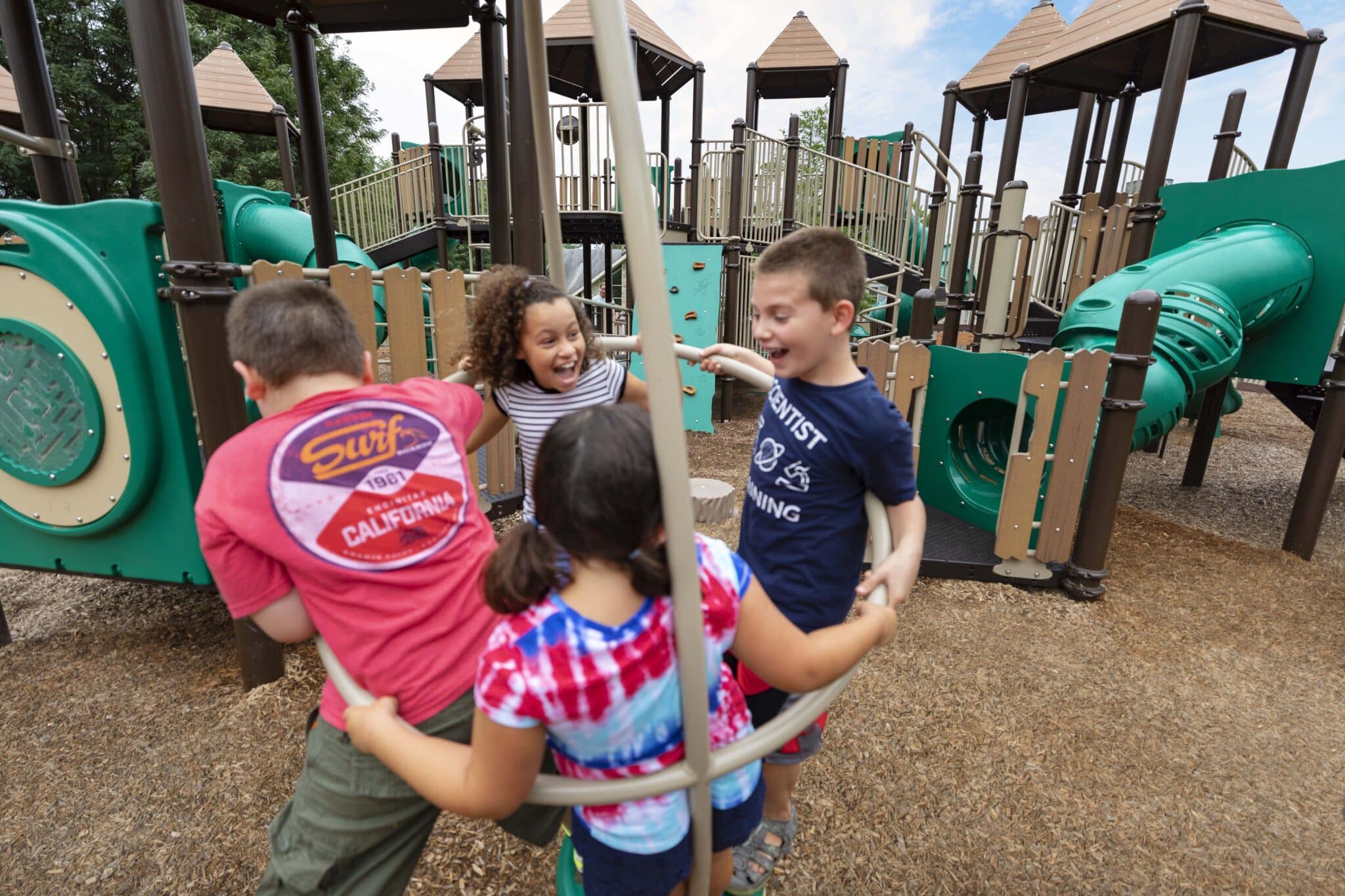
The design of climbing structures is another area where inclusivity can be enhanced. Traditional climbing walls and jungle gyms often require significant upper-body strength and coordination, which can be barriers for many children. Inclusive playgrounds may incorporate adaptive climbing walls with varied handholds, lower heights, and alternative entry points. Some designs even feature sensory-rich climbing panels with textures, sounds, or lights to engage children who might otherwise avoid these structures. These adaptations ensure that climbing becomes an inclusive activity, fostering both physical and cognitive development.
It’s also worth noting that accessibility extends beyond the playground itself. Pathways should be wide enough to accommodate wheelchairs, strollers, and caregivers, with smooth transitions between surfaces to prevent jarring movements. Shade structures, seating areas, and restrooms should be strategically placed to ensure comfort and convenience. By addressing these details, inclusive playgrounds become spaces that are not only accessible but also welcoming and functional for everyone.
Advocacy and Community Engagement: Building a Movement
The creation of inclusive playgrounds is not solely the responsibility of designers or city planners; it is a collective effort that requires advocacy, education, and community involvement. Parents, educators, and advocates play a vital role in driving change by raising awareness, fundraising, and collaborating with local governments to prioritize inclusive design. The first step is often education—helping communities understand the importance of neurodiversity and the benefits of inclusive playgrounds for all children.
One effective advocacy strategy is the formation of “playground committees,” groups of stakeholders who work together to plan, fund, and implement inclusive playground projects. These committees typically include parents of children with disabilities, educators, therapists, architects, and local officials. By bringing diverse perspectives to the table, they ensure that the playground meets the needs of the entire community. Fundraising efforts may involve grant applications, community events, or partnerships with local businesses. These initiatives not only secure the necessary resources but also foster a sense of ownership and pride among community members.
Another critical aspect of advocacy is the inclusion of children with autism and other disabilities in the design process. Their insights are invaluable in identifying barriers and suggesting solutions that adults might overlook. For example, a child who struggles with loud noises might advocate for quieter equipment, while another who enjoys deep pressure might suggest the inclusion of weighted benches. These firsthand perspectives ensure that the playground is not just accessible in theory but in practice.
Advocacy also extends to policy change. Communities can push for local ordinances that mandate inclusive design in all new playgrounds or offer incentives for retrofitting existing ones. National organizations, such as the Inclusive Playgrounds Initiative, provide resources and guidelines to support these efforts. By working at both the grassroots and policy levels, advocates can create lasting change that benefits generations to come.
Looking Ahead: The Future of Inclusive Playgrounds
The movement toward inclusive playgrounds is still evolving, with designers and communities continually exploring new ways to enhance accessibility and engagement. Emerging technologies, such as augmented reality (AR) and interactive play panels, are beginning to make their way into inclusive playgrounds, offering personalized sensory experiences that adapt to a child’s preferences. For example, AR-enhanced surfaces could provide visual or auditory feedback tailored to a child’s sensory needs, while interactive panels could offer customizable games or challenges.
Another promising trend is the integration of nature-based play elements. Natural materials like wood, stone, and water not only reduce sensory overload but also connect children with the environment in meaningful ways. Nature playgrounds, with their loose parts and open-ended play opportunities, are inherently inclusive, as they allow children to engage at their own pace and level of comfort. These spaces also promote physical activity, creativity, and emotional well-being, making them a valuable addition to any inclusive playground.
As society continues to embrace neurodiversity, the demand for inclusive playgrounds will only grow. These spaces are more than just playgrounds; they are catalysts for social change, fostering empathy, understanding, and connection. By prioritizing accessibility, sensory comfort, and social integration, inclusive playgrounds create environments where every child can play, learn, and grow without limits. The future of play is inclusive—and it’s a future worth building.
The journey toward inclusive playgrounds is not without its challenges, but the rewards are immeasurable. For children with autism, these spaces offer a sense of belonging and the freedom to explore their potential. For communities, they represent a commitment to equity and a celebration of diversity. And for society as a whole, they serve as a reminder that accessibility is not a luxury—it is a fundamental right. As we continue to advocate for and design these spaces, we take a crucial step toward a world where every child, regardless of ability, can experience the joy of play.












