In a world that often measures success by conformity, neurodiversity stands as a vibrant testament to the beauty of human variation. Autism, a spectrum of neurological differences, is not a deficit to be corrected but a mosaic of strengths to be celebrated. Cultural centers, with their unique ability to bridge communities and amplify voices, have emerged as pivotal spaces for fostering understanding, inclusion, and celebration of neurodiversity. These hubs of creativity and connection offer more than just events—they provide a sanctuary where autistic individuals and their allies can explore identity, art, and belonging without the constraints of societal expectations.
Imagine stepping into a cultural center where the hum of conversation is replaced by the rhythmic tapping of a stimming hand, where the fluorescent lights are dimmed to reduce sensory overload, and where the walls are adorned with art that speaks the unspoken language of neurodivergent minds. This is not a utopian fantasy but a growing reality in cities around the world, where cultural institutions are reimagining their roles as inclusive sanctuaries. From sensory-friendly exhibitions to workshops led by autistic artists, these centers are dismantling barriers and crafting experiences that resonate with the diverse needs of the neurodivergent community. The evolution of cultural centers into neurodiversity-affirming spaces reflects a broader cultural shift—one that recognizes the value of difference and the importance of creating environments where everyone can thrive.

The Role of Cultural Centers in Neurodiversity Advocacy
Cultural centers have long served as bastions of tradition, education, and artistic expression. However, their potential as agents of social change has often been underutilized—until now. Today, these institutions are leveraging their platforms to advocate for neurodiversity, challenging outdated narratives that frame autism as a condition to be “fixed.” Instead, they are championing a paradigm shift: one that views autism as a natural variation of human cognition, akin to left-handedness or synesthesia. By hosting panel discussions, film screenings, and interactive exhibits, cultural centers are educating the public about the lived experiences of autistic individuals, dismantling myths, and fostering empathy.
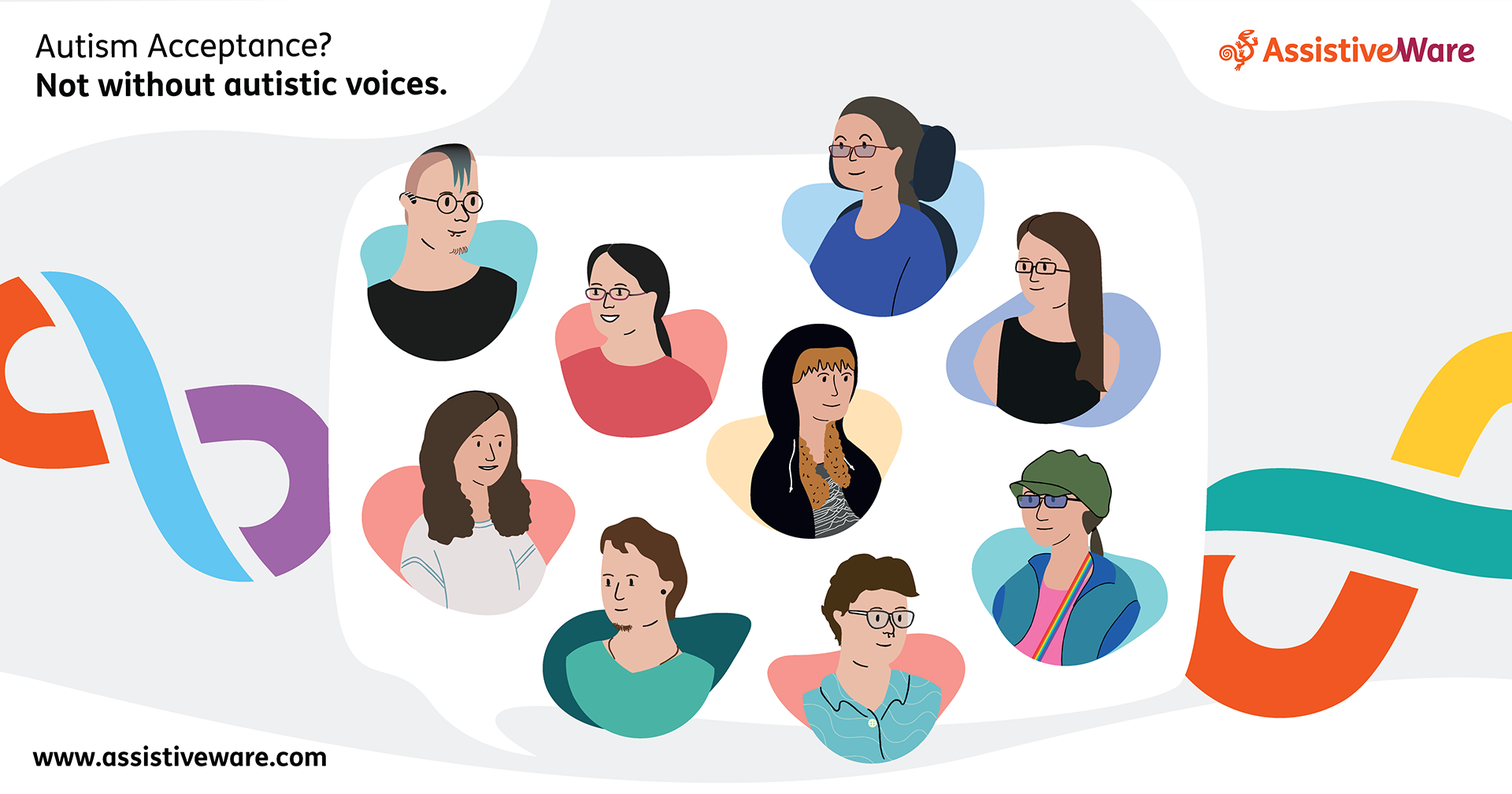
One of the most impactful ways cultural centers contribute to neurodiversity advocacy is through the curation of authentic narratives. Traditional media often portrays autism through a lens of tragedy or inspiration porn, reducing complex lives to simplistic tropes. Cultural centers, however, prioritize stories told by autistic voices themselves. Whether through oral histories, autobiographical art, or documentary screenings, these institutions provide a stage for narratives that are nuanced, empowering, and unfiltered. This approach not only educates audiences but also empowers autistic individuals to see their experiences reflected in the cultural landscape, fostering a sense of pride and belonging.
Moreover, cultural centers act as intermediaries between autistic communities and the broader public, facilitating dialogue that might otherwise never occur. Workshops on neurodiversity etiquette, for example, teach non-autistic attendees how to engage with autistic individuals in ways that are respectful and accommodating. These interactions demystify autism, replacing fear and misunderstanding with curiosity and connection. In this way, cultural centers become not just venues for entertainment or education but catalysts for societal transformation.
Sensory-Friendly Exhibitions: A New Frontier in Accessibility
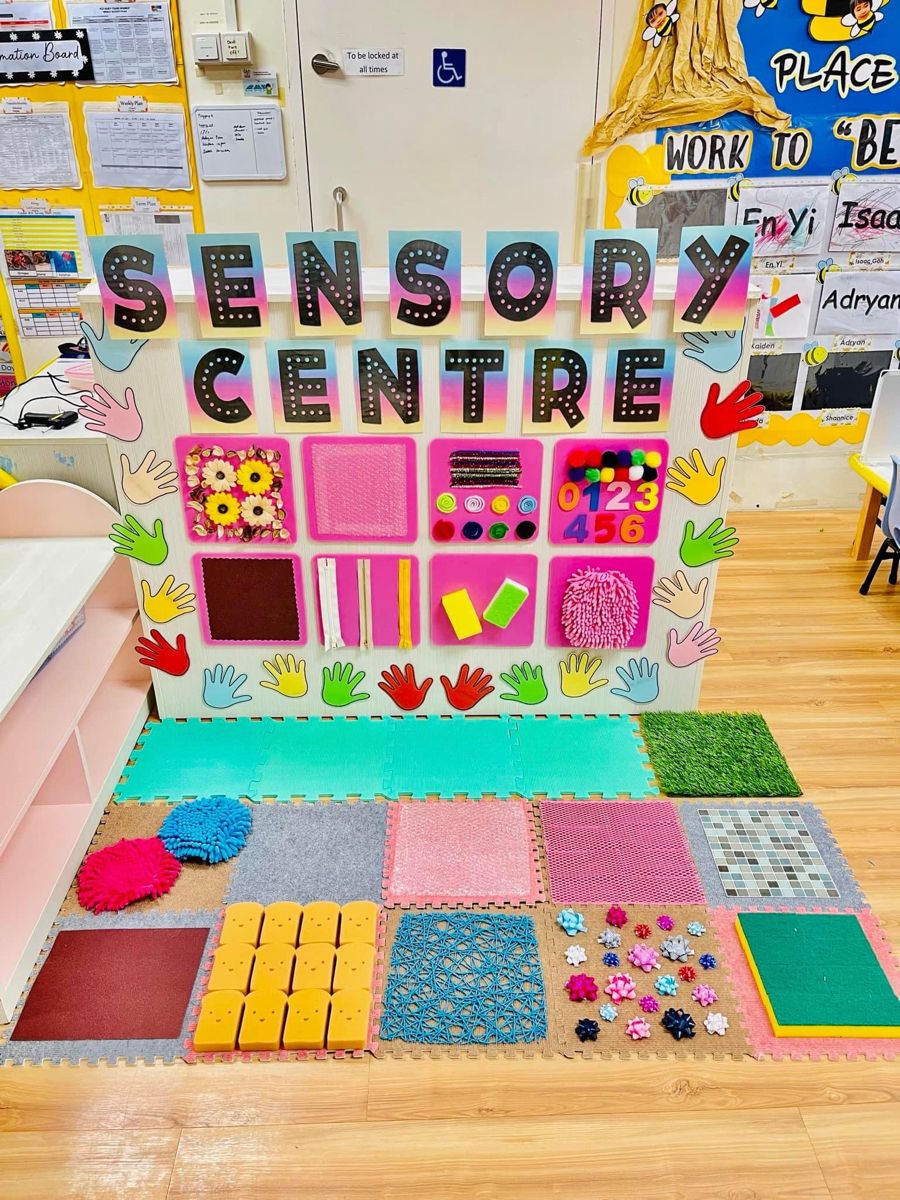
The sensory experience of a traditional museum or gallery can be overwhelming for many autistic individuals. Fluorescent lighting, crowded spaces, and the cacophony of overlapping conversations can trigger sensory overload, leading to withdrawal or distress. Recognizing this, cultural centers are pioneering sensory-friendly exhibitions—environments meticulously designed to accommodate diverse sensory needs. These exhibitions often feature dimmed lighting, noise-canceling headphones, quiet zones, and tactile elements that invite interaction without overwhelming the senses.
Take, for instance, a sensory-friendly art exhibition where visitors are encouraged to touch the artwork, move at their own pace, and even bring comfort items like weighted blankets or fidget toys. Such exhibitions prioritize accessibility over rigid curatorial standards, allowing autistic visitors to engage with art in ways that feel natural to them. Some centers go a step further by offering “silent disco” tours, where visitors wear wireless headphones to listen to audio guides at their preferred volume, eliminating the pressure to navigate a noisy gallery.
These adaptations are not merely about compliance with accessibility guidelines; they represent a fundamental rethinking of what cultural spaces can be. By centering the needs of neurodivergent visitors, cultural centers are challenging the one-size-fits-all model of accessibility and instead embracing a philosophy of universal design. This approach benefits not only autistic individuals but also people with other sensory or cognitive differences, as well as parents with young children or elderly visitors who may find traditional museum environments challenging.
Workshops and Programs Led by Autistic Creators
The creative process is deeply personal, and for autistic individuals, it can be a powerful means of self-expression and communication. Cultural centers are increasingly recognizing the value of workshops and programs led by autistic artists, writers, and performers, providing platforms for neurodivergent voices to shine. These programs are not just about inclusion; they are about centering autistic expertise, ensuring that the narratives and artworks produced reflect authentic experiences rather than external interpretations.
Imagine attending a poetry workshop where the facilitator, an autistic poet, guides participants through exercises that emphasize pattern recognition, literal thinking, and the beauty of unconventional metaphors. Or consider a theater group where autistic actors collaborate to create performances that challenge traditional storytelling structures, incorporating repetitive movements or unconventional dialogue that resonates with neurodivergent audiences. These workshops are more than educational opportunities—they are spaces of empowerment, where autistic individuals can explore their creativity without the pressure to conform to neurotypical expectations.
Cultural centers are also hosting residencies for autistic artists, providing them with the resources and time to develop their work in a supportive environment. These residencies often culminate in exhibitions or performances that are accessible to the public, allowing neurodivergent artists to share their work with a broader audience. By investing in these programs, cultural centers are not only enriching their offerings but also contributing to the diversification of the cultural landscape, ensuring that it reflects the full spectrum of human experience.
Community Building Through Neurodiversity-Focused Events
Beyond exhibitions and workshops, cultural centers are fostering community through events designed specifically for neurodivergent individuals and their families. These events range from autism-friendly film screenings to inclusive dance parties, where the environment is tailored to the needs of autistic attendees. For example, a movie night might feature a film with closed captions, reduced volume, and a relaxed atmosphere where audience members are free to move around or stim without judgment. Such events provide a rare opportunity for autistic individuals to socialize in a space that feels safe and accommodating.
Cultural centers are also organizing meetups and support groups for autistic adults, recognizing that neurodiversity advocacy must extend beyond childhood. These gatherings offer a space for autistic individuals to connect, share experiences, and build networks of support. For parents and caregivers, cultural centers provide workshops on navigating systems like education and healthcare, as well as social events where they can connect with others in similar situations. By fostering these communities, cultural centers are addressing a critical gap in neurodiversity support, ensuring that autistic individuals and their families do not feel isolated in their journeys.
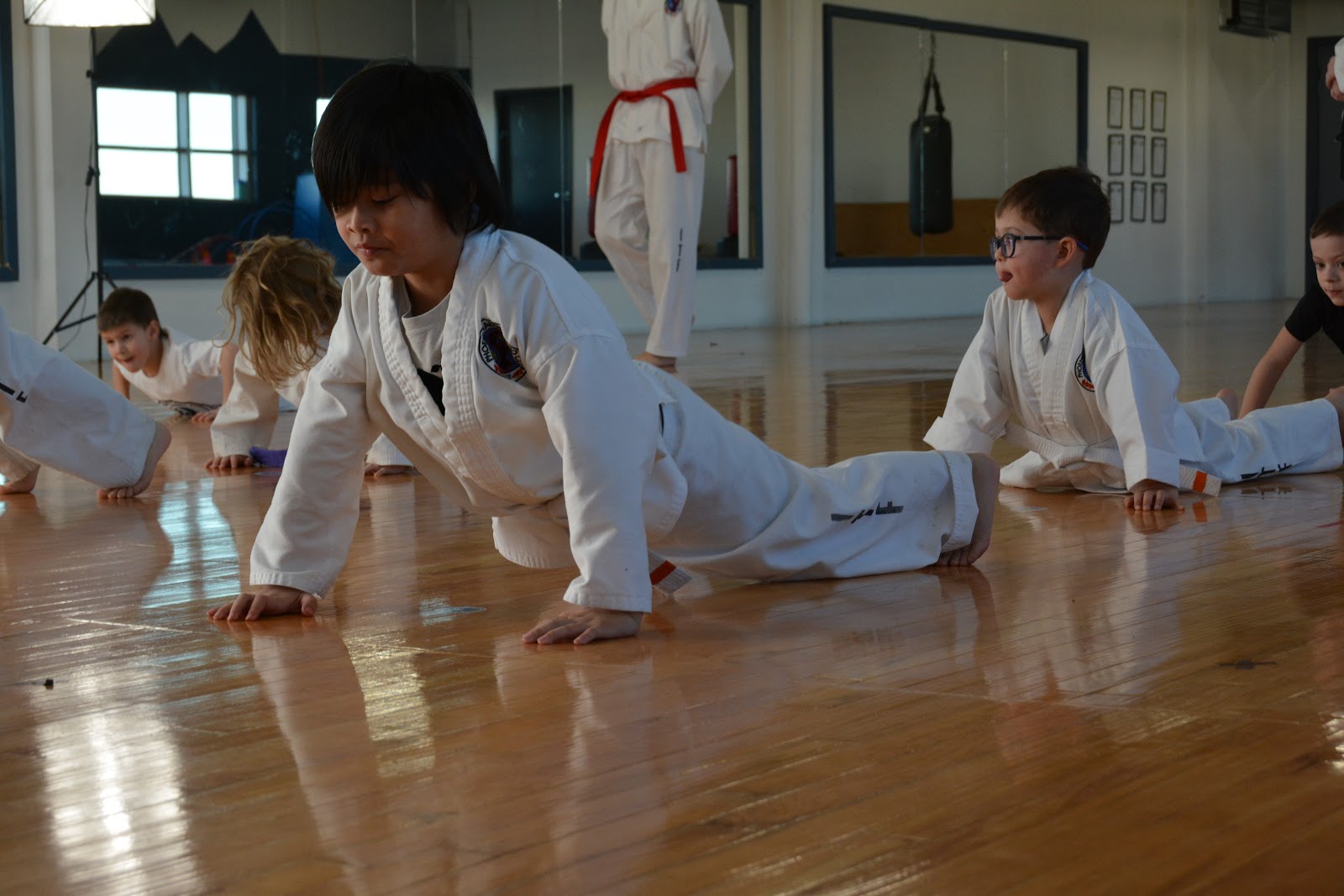
Moreover, cultural centers are partnering with local schools and organizations to create inclusive programming for children. Storytime sessions where autistic storytellers read books that reflect neurodivergent experiences, or art classes that encourage self-expression through unconventional mediums, are just a few examples of how these institutions are shaping the next generation of inclusive thinkers. These programs not only benefit autistic children but also educate neurotypical children about the value of diversity, fostering empathy and understanding from an early age.
The Future of Cultural Centers: Toward a Neurodiverse Cultural Landscape
The transformation of cultural centers into neurodiversity-affirming spaces is still in its early stages, but the momentum is undeniable. As more institutions recognize the importance of accessibility and inclusion, we can expect to see even more innovative approaches to serving neurodivergent communities. This might include the development of neurodiversity consultants who advise cultural centers on best practices, or the creation of digital platforms that make cultural content more accessible to those who struggle with traditional in-person experiences.
There is also a growing movement to integrate neurodiversity into the very fabric of cultural institutions, from the architecture of buildings to the training of staff. Sensory-friendly design principles, such as the use of natural lighting, sound-dampening materials, and flexible spaces, are becoming standard in new cultural projects. Staff training programs are emphasizing the importance of neurodiversity awareness, ensuring that employees are equipped to create welcoming environments for all visitors. These changes signal a broader cultural shift toward recognizing and valuing neurodiversity in every aspect of society.
As cultural centers continue to evolve, they have the potential to become leaders in the neurodiversity movement, not just as venues for events but as catalysts for systemic change. By prioritizing accessibility, centering autistic voices, and fostering community, these institutions are not only enriching the cultural landscape but also contributing to a more inclusive and equitable world. The journey toward a neurodiverse cultural landscape is ongoing, but with each step, we move closer to a society where every individual, regardless of neurological wiring, can find a place to belong.
In the end, the celebration of neurodiversity is not just about accommodating differences—it is about embracing them as essential threads in the tapestry of human experience. Cultural centers, with their unique ability to inspire, educate, and connect, are perfectly positioned to lead this celebration. Through their efforts, they remind us that diversity is not a challenge to overcome but a strength to be cherished, and that every mind, in all its complexity, deserves a space to shine.