The history of autism is a tapestry woven with scientific breakthroughs, societal shifts, and evolving perspectives on neurodiversity. From the groundbreaking observations of Leo Kanner to the vibrant advocacy of the neurodiversity movement, the journey of understanding autism has been both profound and transformative. This narrative traces the evolution of autism from its early conceptualization to the modern era, where acceptance and inclusion are reshaping the narrative. Along the way, we’ll explore the key milestones, the shifting paradigms, and the human stories that have shaped our collective understanding of autism.
Autism, once shrouded in mystery and misconception, has emerged as a focal point in discussions about neurodiversity and human cognition. The path to comprehension has been nonlinear, marked by periods of enlightenment and regression. Yet, through each phase, the voices of autistic individuals have grown louder, demanding recognition and respect. This article delves into the historical arc of autism, highlighting the pivotal moments that have redefined its perception and the ongoing efforts to foster a more inclusive world.
The Genesis of Autism: Kanner’s Landmark Observations
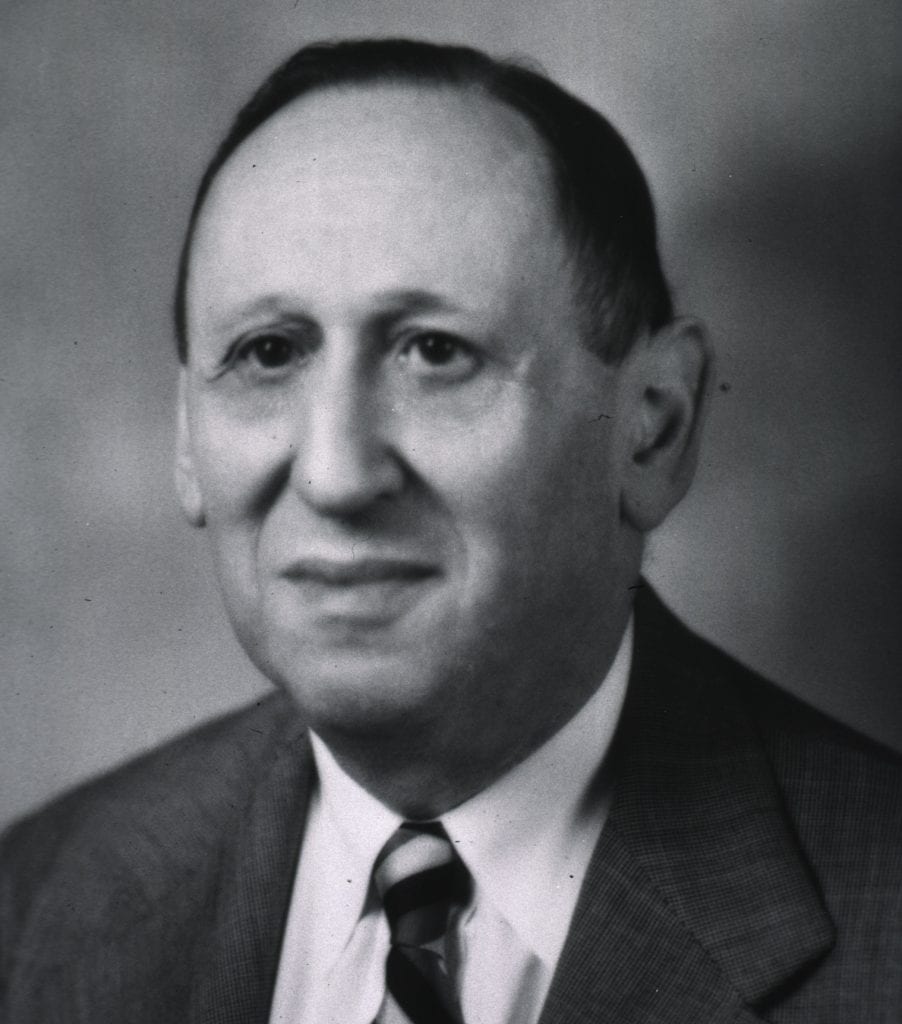
In 1943, Austrian-American psychiatrist Leo Kanner published a seminal paper titled Autistic Disturbances of Affective Contact, which laid the foundation for modern autism research. Kanner’s observations of 11 children—each exhibiting a constellation of behaviors such as social withdrawal, repetitive movements, and an insistence on sameness—challenged the prevailing psychiatric dogma of the time. His work introduced the term “autism,” derived from the Greek autos (self), to describe a condition characterized by an inward-turning of the self.
Kanner’s descriptions were revolutionary, yet his interpretations were not without controversy. He posited that autism stemmed from “refrigerator mothers”—a theory that blamed cold, detached parenting for the condition. This hypothesis, though later debunked, cast a long shadow over autism discourse, stigmatizing families and delaying progress. Despite these flaws, Kanner’s observations provided the first clinical framework for understanding autism, paving the way for future research.
The 1950s and 1960s saw a gradual shift in perspective, as researchers began to question the environmental causes of autism. The work of Bernard Rimland, a psychologist and father of an autistic son, was instrumental in this shift. Rimland’s 1964 book Infantile Autism: The Syndrome and Its Implications for a Neural Theory of Behavior challenged Kanner’s maternal blame theory and proposed a biological basis for autism. This marked a turning point, steering the conversation toward neurological and genetic factors.
The Medicalization of Autism: From Syndrome to Spectrum
The latter half of the 20th century witnessed the medicalization of autism, as diagnostic criteria became more refined and standardized. The publication of the Diagnostic and Statistical Manual of Mental Disorders (DSM-III) in 1980 was a watershed moment, formally recognizing autism as a distinct condition. This period also saw the emergence of the “autism spectrum,” a concept that acknowledged the vast diversity in autistic experiences—from nonverbal individuals to those with high support needs.
However, the medicalization of autism was a double-edged sword. While it brought legitimacy and access to services, it also reinforced the idea of autism as a “disorder” in need of fixing. The rise of behaviorist interventions, such as Applied Behavior Analysis (ABA), reflected this perspective. ABA, while beneficial for some, became synonymous with compliance-based training, often at the expense of autistic autonomy. The tension between intervention and acceptance began to take center stage.
By the 1990s, autism research had expanded exponentially, with genetic studies uncovering potential links to chromosomal abnormalities. The identification of the FOXP2 gene, associated with language development, and the discovery of rare genetic mutations in autistic individuals hinted at the biological complexity of the condition. Yet, despite these advances, the public perception of autism remained mired in stereotypes—portrayed as either a tragedy to be overcome or a superpower to be celebrated.
The Neurodiversity Paradigm: A Shift in Perspective
The dawn of the 21st century brought a seismic shift in how society views autism. The neurodiversity movement, championed by autistic self-advocates, redefined autism not as a defect to be cured, but as a natural variation of human neurology. Coined by sociologist Judy Singer in the late 1990s, neurodiversity advocates that cognitive differences, including autism, are part of the rich tapestry of human diversity, akin to biodiversity in nature.
This paradigm shift was fueled by the voices of autistic individuals, who began to articulate their experiences in their own words. Online platforms, such as blogs and social media, became powerful tools for advocacy, allowing autistic people to challenge stereotypes and demand representation. The #ActuallyAutistic movement, for instance, highlighted the importance of centering autistic voices in discussions about autism, rather than relying on non-autistic interpretations.
The neurodiversity movement also intersected with broader social justice movements, emphasizing the intersectionality of autism with race, gender, and disability. Autistic people of color, for example, face unique challenges, including delayed diagnoses and cultural misunderstandings. Similarly, autistic women and girls are often overlooked due to gendered stereotypes about social behavior. The movement’s emphasis on intersectionality has broadened the conversation, ensuring that autism is understood within the context of broader societal inequalities.
Autism in Popular Culture: From Awareness to Acceptance
The representation of autism in popular culture has mirrored the evolution of public understanding. Early portrayals, such as Dustin Hoffman’s character in Rain Man (1988), framed autism as a tragic yet extraordinary condition, reinforcing the savant stereotype. While groundbreaking for its time, such depictions often reduced autistic individuals to one-dimensional caricatures.
In recent years, however, there has been a surge in authentic representation. Shows like Atypical (2017–2021) and The Good Doctor (2017–present) have attempted to depict autism with nuance, though they have faced criticism for their reliance on non-autistic actors and writers. Meanwhile, films like Loop (2020) and Life, Animated (2016) have centered autistic voices, offering a more intimate and accurate portrayal of the condition.
Literature has also played a crucial role in shaping public perception. Books like The Reason I Jump by Naoki Higashida and NeuroTribes by Steve Silberman have bridged the gap between academic research and lived experience. These works have not only educated the public but also empowered autistic individuals to see their experiences reflected in print. The rise of autistic authors and creators has further enriched the narrative, ensuring that stories about autism are told with authenticity and depth.
The Future of Autism: Toward Inclusion and Empowerment
As we look to the future, the trajectory of autism advocacy points toward greater inclusion and empowerment. The push for self-determination has led to significant policy changes, such as the recognition of autism as a disability under the Americans with Disabilities Act and the UN Convention on the Rights of Persons with Disabilities. These legal frameworks have paved the way for better access to education, employment, and healthcare for autistic individuals.
Yet, challenges remain. The prevalence of autism continues to rise, with recent estimates suggesting that 1 in 36 children in the U.S. is autistic. This increase has sparked debates about overdiagnosis and the potential role of environmental factors. Meanwhile, the demand for services far outstrips the supply, leaving many autistic individuals and their families without adequate support.
The future of autism will be shaped by the ongoing dialogue between science, policy, and lived experience. Research into early intervention, assistive technologies, and personalized support holds promise for improving quality of life. At the same time, the neurodiversity movement’s emphasis on acceptance and accommodation will continue to challenge societal norms, pushing for a world where autistic individuals are valued for who they are, not just for what they can achieve.
The history of autism is a testament to the power of human resilience and the enduring quest for understanding. From Kanner’s initial observations to the vibrant advocacy of today, the journey has been one of both struggle and triumph. As we move forward, it is essential to embrace the full spectrum of autistic experiences, recognizing that diversity is not a deficit but a strength. In doing so, we honor the legacy of those who came before us and create a future where every autistic individual can thrive.

This image captures the essence of Kanner’s era, where the seeds of autism research were first planted. The sepia-toned aesthetic evokes the historical weight of his discoveries, while the subtle inclusion of autistic children in the background underscores the human stories behind the science.

This contemporary image reflects the progress of the neurodiversity movement, where acceptance and celebration of difference take center stage. The use of bright colors and dynamic composition conveys the energy and optimism of the movement, while the inclusion of diverse individuals highlights its intersectional roots.