
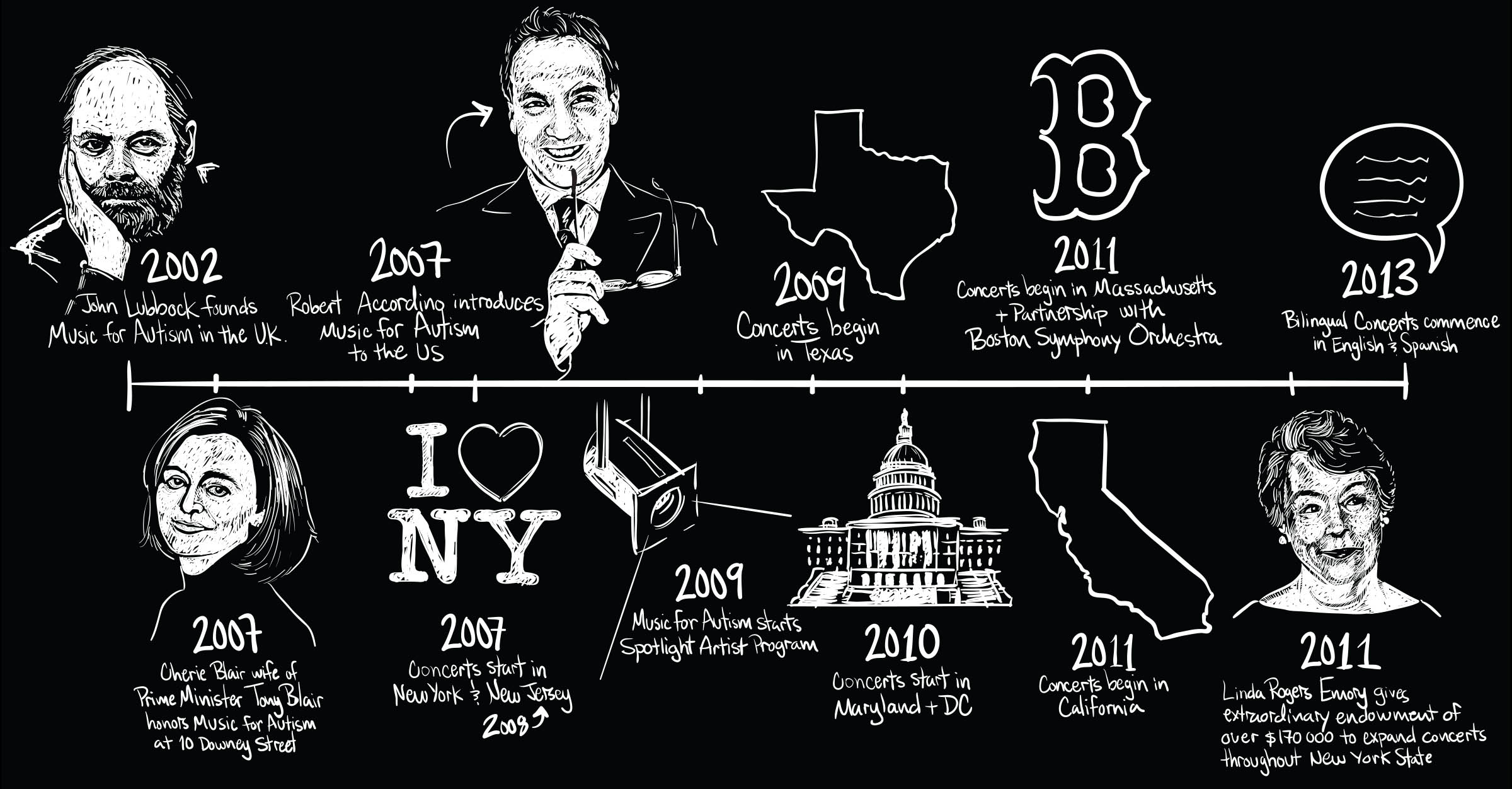
In the vast symphony of human expression, few instruments resonate as profoundly as music. It transcends language, culture, and even cognition, weaving emotions into melodies that echo through the chambers of the soul. For those navigating the intricate landscape of autism, music is more than an art form—it is a bridge, a sanctuary, and a catalyst for connection. This article embarks on a journey through the harmonious intersection of autism and music, exploring how songs and artists are not just creating sounds, but orchestrating transformations in perception and understanding.
Imagine a world where silence is not absence, but a canvas waiting to be painted with vibrations. For individuals on the autism spectrum, music often serves as that canvas, offering a medium through which emotions, thoughts, and identities can be expressed with clarity and depth. It is a realm where the rigid structures of societal norms dissolve into fluidity, allowing for a unique form of communication that bypasses the barriers of conventional language. The power of music in autism lies not merely in its ability to soothe or entertain, but in its capacity to illuminate pathways to self-discovery and societal inclusion.
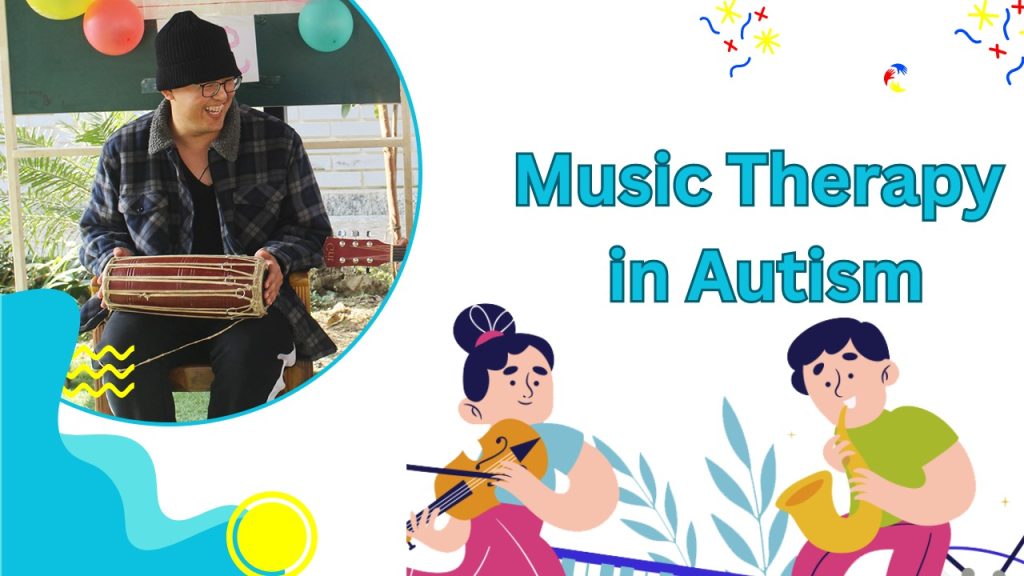
The Alchemy of Sound: How Music Transforms Perception
Music is an alchemical force, capable of transmuting chaos into order, confusion into clarity, and isolation into belonging. For individuals with autism, who often experience the world with heightened sensory intensity, music can act as a stabilizing force. The rhythmic patterns and predictable structures of music provide a sense of order in a world that may otherwise feel overwhelmingly unpredictable. This is not merely anecdotal; research has shown that music therapy can enhance communication skills, reduce anxiety, and improve social interactions among autistic individuals.
Consider the case of a nonverbal child who, through music, finds a voice. A simple melody or a rhythmic beat can unlock a floodgate of expression, allowing them to convey emotions and needs that might otherwise remain trapped within. Music becomes a language of its own, one that does not rely on the nuances of tone or the complexities of syntax. Instead, it speaks in the universal tongue of rhythm, pitch, and timbre. This transformative potential is not limited to children; adults on the spectrum also find solace and empowerment in music, using it as a tool for self-expression and emotional regulation.
The therapeutic power of music extends beyond individual experiences. It fosters a sense of community, bringing together autistic individuals and neurotypical peers in shared spaces of creativity and collaboration. Music therapy sessions often become microcosms of inclusion, where differences are celebrated rather than diminished. In these spaces, the act of creating music together becomes a metaphor for the broader societal shift toward acceptance and understanding.
Artists Who Compose Beyond Boundaries
The world of music is rich with artists who, whether intentionally or intuitively, create works that resonate deeply with autistic listeners. These artists often possess a unique sensitivity to sound, a trait that aligns closely with the sensory experiences of many on the autism spectrum. Their music transcends the ordinary, offering a listening experience that is both immersive and introspective.
Take, for example, the ethereal compositions of an artist known for their minimalist piano pieces. The repetitive motifs and gradual evolutions in their music create a sense of predictability and comfort, qualities that many autistic individuals find soothing. The music does not demand immediate interpretation or emotional response; instead, it invites the listener to dwell in the moment, to savor the textures of sound without pressure. This approach mirrors the autistic experience of time and perception, where the present moment holds a depth and richness that is often overlooked in the rush of modern life.
Another artist, celebrated for their experimental electronic soundscapes, crafts music that is a labyrinth of sound. For autistic listeners, these intricate layers can be a source of fascination, offering a playground for the mind to explore at its own pace. The music does not conform to traditional structures; instead, it evolves organically, much like the thoughts and emotions of an autistic individual. This lack of rigid form can be liberating, allowing listeners to project their own meanings onto the music, to find solace in its ambiguity.
It is not just the music itself that resonates, but the stories behind it. Many autistic artists and musicians have taken to platforms to share their journeys, using their art as a means of advocacy and education. Their work challenges stereotypes, proving that autism is not a limitation but a different lens through which the world can be viewed. These artists are not just creating music; they are composing narratives of resilience, creativity, and authenticity.
Songs That Speak in Silence
Certain songs have an almost mystical ability to resonate with autistic individuals, transcending the boundaries of language and culture. These songs often share common traits: repetitive structures, soothing melodies, and lyrics that speak to universal experiences of difference and belonging. They become anthems for those who feel misunderstood, offering a sense of validation and connection.
Consider a song that employs a simple, looping melody, its lyrics a gentle reminder that it is okay to be different. The repetition of the chorus acts as a comforting mantra, a reminder that one is not alone in their experiences. For autistic listeners, such songs can be a lifeline, a source of comfort in moments of overwhelm or isolation. The music does not demand immediate engagement; instead, it allows the listener to absorb its message at their own pace, to find solace in its familiarity.
Other songs delve into the complexities of the autistic experience, exploring themes of sensory overload, social challenges, and the search for identity. These songs are not just about autism; they are about humanity in all its diversity. They challenge listeners to step outside their comfort zones, to empathize with experiences that may be foreign to them. In doing so, they foster a deeper understanding of the autistic perspective, paving the way for a more inclusive society.
The power of these songs lies in their ability to evoke emotions without relying on conventional narrative structures. They speak in the language of sound, using rhythm, harmony, and silence to convey meaning. For autistic listeners, this can be a profound experience, one that validates their emotions and experiences in a way that words alone cannot.
The Role of Music in Autism Advocacy
Music is not just a form of expression; it is a tool for advocacy. Artists and musicians on the autism spectrum are using their platforms to raise awareness, challenge stereotypes, and promote acceptance. Their work is a testament to the power of art as a catalyst for social change.
Through benefit concerts, charity singles, and collaborative projects, autistic artists are bringing their voices to the forefront of the conversation about neurodiversity. Their music becomes a bridge between the autistic community and the wider world, fostering dialogue and understanding. These initiatives are not just about raising funds; they are about reshaping perceptions, about proving that autism is not a deficit but a difference that enriches the tapestry of human experience.
Music festivals and events dedicated to neurodiversity are also gaining traction, offering spaces where autistic individuals can showcase their talents and connect with others who share their experiences. These events are more than just gatherings; they are celebrations of diversity, proof that the arts are a universal language that transcends cognitive and sensory differences.
The role of music in autism advocacy extends beyond the stage. It infiltrates classrooms, therapy sessions, and community centers, becoming a tool for education and inclusion. Music therapy programs are increasingly being integrated into autism support services, offering autistic individuals a means of expression and connection that complements traditional therapies. These programs are not just about teaching music; they are about teaching empathy, communication, and self-advocacy.
A Future Harmonized by Understanding
The relationship between autism and music is a testament to the power of art to transform lives. It is a reminder that differences are not deficits, but unique perspectives that enrich our collective experience. As society continues to evolve, the role of music in fostering inclusion and understanding will only grow in importance.
In the years to come, we can expect to see even greater collaboration between autistic artists and the broader music community. These partnerships will not only produce groundbreaking music but will also challenge societal norms, proving that neurodiversity is a strength to be celebrated. The songs and artists that resonate with autistic listeners today are just the beginning of a much larger symphony, one that will continue to evolve and inspire for generations to come.
The future of autism and music is not just about creating more inclusive spaces; it is about redefining what it means to belong. It is about recognizing that the world is not a monolith, but a mosaic of experiences, each one contributing to the richness of human culture. Music, with its ability to transcend boundaries and connect hearts, is leading the way.
As we move forward, let us remember that the most profound melodies are not those that conform to rigid structures, but those that embrace the beauty of diversity. Let us listen, not just with our ears, but with our hearts, and allow the music to guide us toward a future where everyone, regardless of their cognitive makeup, can find their voice and their place in the world.












