Conversation is a cornerstone of human connection, yet for many individuals with autism spectrum disorder (ASD), engaging in this seemingly effortless exchange can present profound challenges. Observers often note that people with autism might appear aloof or uninterested during conversations, sparking curiosity and sometimes misunderstanding. Beneath this surface observation lies a complex interplay of neurological, cognitive, and social factors shaping how individuals with autism perceive and navigate verbal interactions.
Understanding the Nuances of Social Communication in Autism
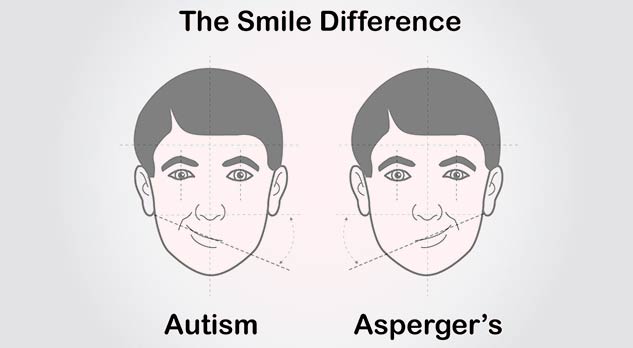
At the heart of conversation lies social communication—a dynamic process involving verbal and nonverbal cues, timing, and shared understanding. Autism frequently disrupts these subtleties. Those on the spectrum may demonstrate atypicalities in interpreting facial expressions, gestures, or tone of voice, which are critical components for fluid dialogue.
The social reciprocity that underpins most conversations—the natural ebb and flow of giving and receiving—is often altered. This can manifest as difficulties in initiating topics, sustaining dialogue, or appropriately responding to others’ conversational bids. Rather than a lack of interest, these variations reflect neurological diversities in processing social information.

Cognitive Processing Differences and Their Impact
Underlying the conversational challenges are distinctive cognitive processing patterns associated with autism. For example, enhanced focus on detail and literal interpretation can lead to misunderstandings when dealing with idioms, figurative language, or metaphorical expressions. This often results in a preference for direct and concrete exchanges.
Moreover, working memory constraints can inhibit the ability to juggle multiple conversational threads simultaneously, causing delays or disruptions in turn-taking. Pragmatic language skills—the social use of language—may develop unevenly. While vocabulary and grammar might be intact or superior, deploying language effectively in social contexts requires navigating unspoken rules that may feel intangible or inconsistent.
The Role of Sensory Sensitivities in Conversational Engagement
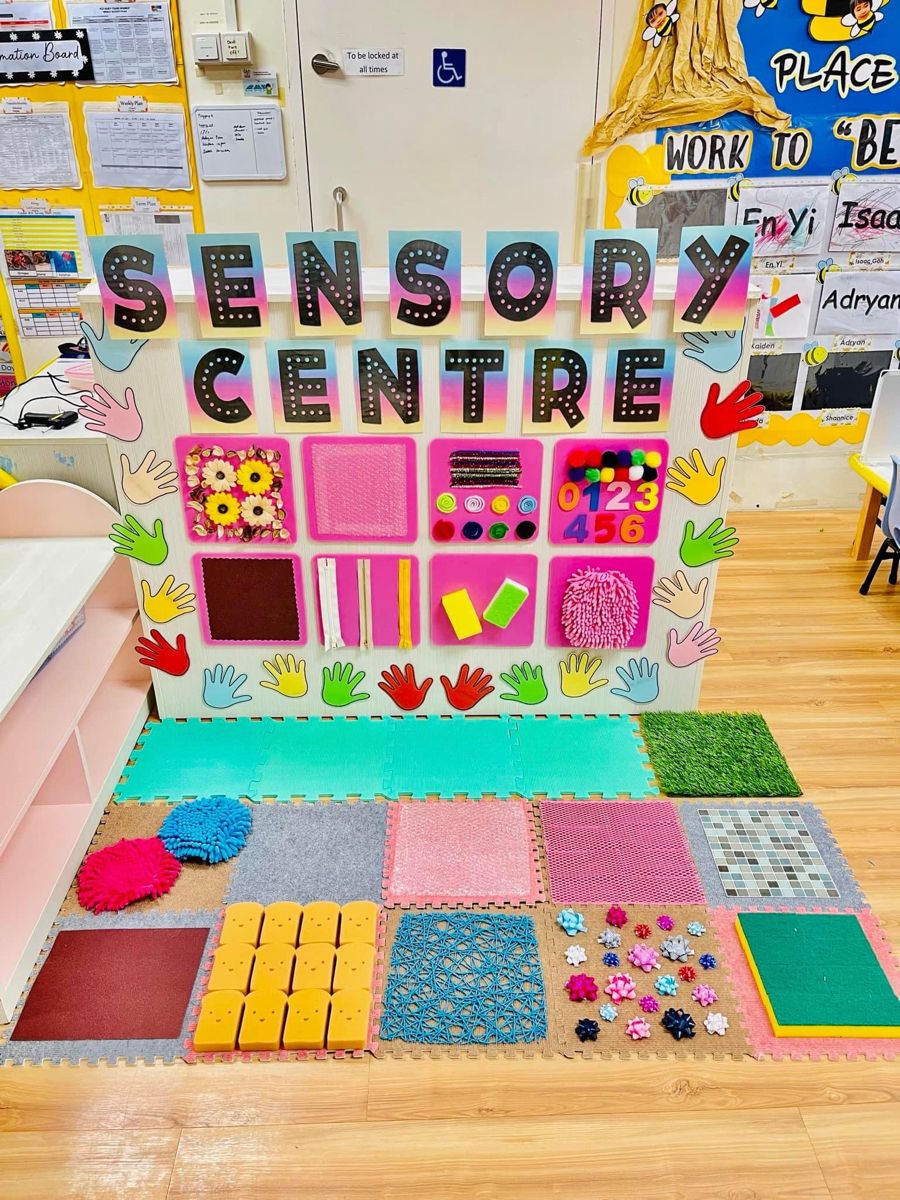
Sensory processing differences intrinsic to autism further complicate communication. Sensory overload from ambient noise, visuals, or tactile stimuli can overwhelm an individual, diminishing their capacity to focus on verbal exchanges. This often leads to withdrawal or reduced eye contact, which observers might misread as disinterest or disengagement.
Such sensory considerations add layers to the conversational experience, transforming what is typically effortless for neurotypical individuals into a cognitively and emotionally taxing endeavor. The anticipation of sensory discomfort can engender anxiety, further compromising spontaneous verbal interaction.
Executive Functioning and Social Navigation
Executive functioning—the mental skills enabling planning, flexibility, and impulse control—plays a pivotal role in navigating conversations. Many individuals with autism encounter challenges in this domain, impacting their ability to adapt to changing topics or unexpected social cues.
This rigidity can manifest as perseveration on preferred subjects or scripts, limiting conversational diversity. Simultaneously, difficulties with inhibitory control may cause interruptions or difficulty in judging appropriate moments to speak. Such disparities contribute to the perception of atypical conversational styles, demanding patience and understanding from interlocutors.

The Intrinsic Fascination with Patterns and Interests
A common observation is the profound intensity with which many individuals with autism engage in conversations surrounding their areas of special interest. This deep enthusiasm can enrich dialogue but also dominate exchanges, sometimes making mutual engagement challenging. This fascination stems from intrinsic neurological wiring that favors pattern recognition and deep focus.
Far from being mere fixation, these interests often provide a vital avenue for social connection. When carefully nurtured, they can serve as bridges to expanding conversational skills, allowing shared experiences to unfold naturally. Understanding and valuing these passions is essential to appreciating the full spectrum of communicative abilities within autism.
Supporting and Enhancing Conversation Skills
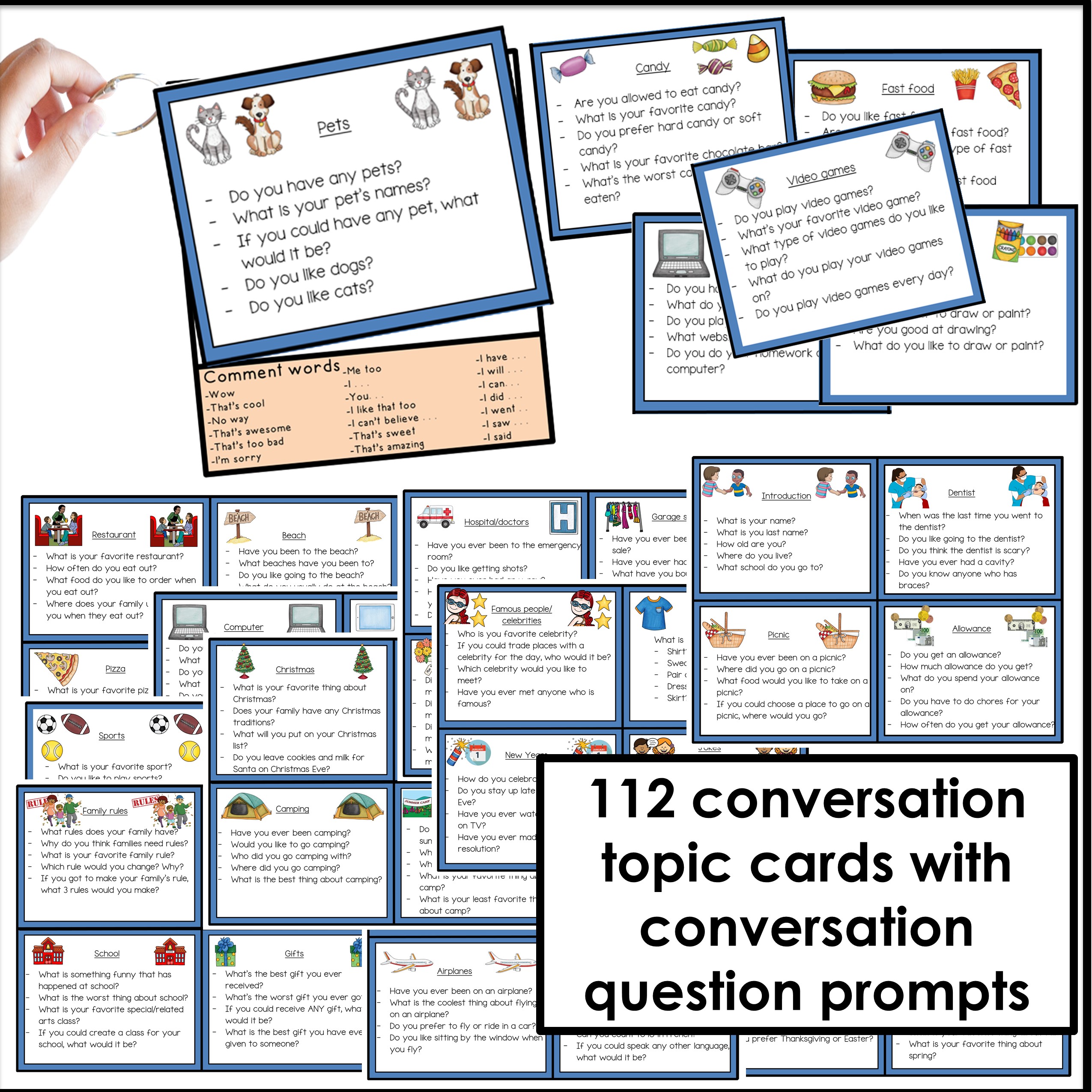
Interventions and supports tailored to individual profiles have demonstrated efficacy in fostering conversation skills among people with autism. Strategies such as visual supports, structured social skills training, and role-playing can concretize abstract social rules, facilitating comprehension and application in real-world contexts.
Augmentative and alternative communication (AAC) devices also provide essential tools for those with limited verbal abilities, broadening opportunities for meaningful exchange. Furthermore, therapeutic approaches emphasizing pragmatic language development work to bridge gaps in understanding implied meanings, perspective-taking, and emotional reciprocity.
Embracing Neurodiversity in Communication
Ultimately, appreciating how autism affects conversation skills demands a shift from deficit-focused perspectives toward embracing neurodiversity. The ways in which individuals with autism communicate may differ markedly from neurotypical norms but are no less valid or meaningful.
Recognizing these unique conversational frameworks enriches societal discourse and encourages inclusive environments wherein diverse communicative expressions are valued. Such an enlightened approach paves pathways for deeper empathy and more authentic connections, transcending traditional communication paradigms.
In summation, the intricate ways autism influences conversation skills reveal not a simple obstacle but a richly textured alternative mode of social interaction shaped by cognitive, sensory, and neurological factors. Understanding and supporting these variations nurture not only improved communication but also broader acceptance of human diversity.