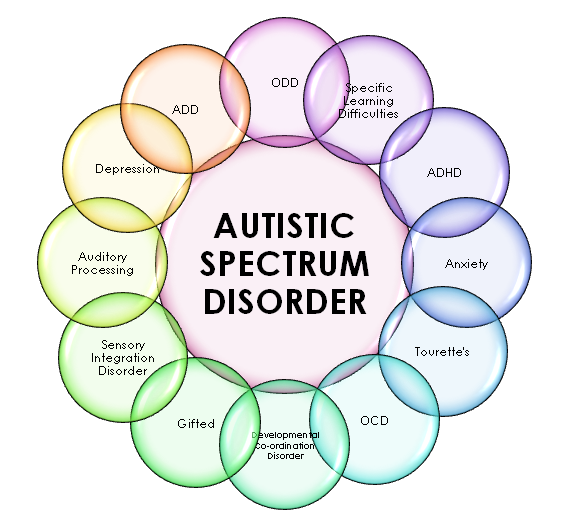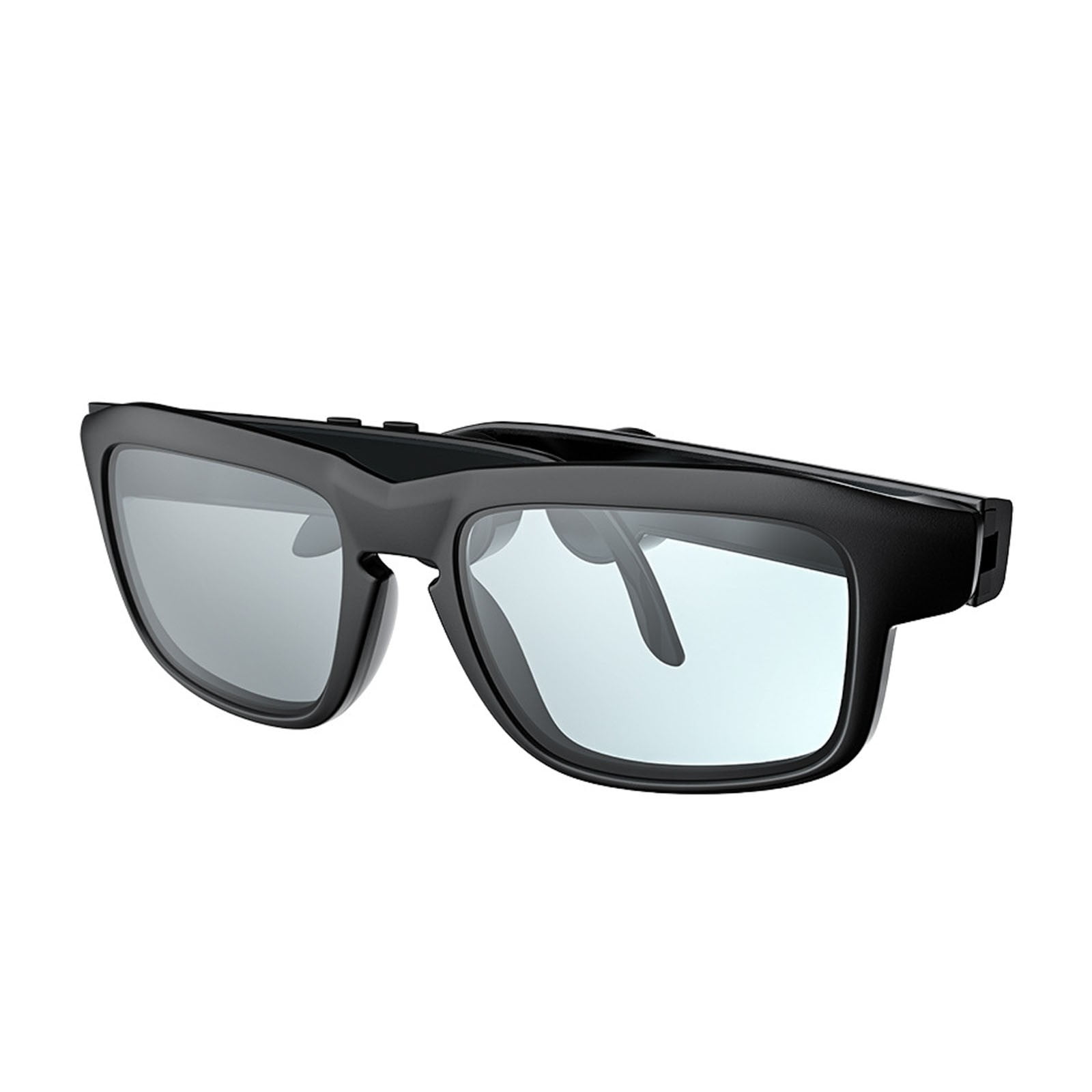
In a world where perception is often filtered through the prism of societal norms, the act of wearing glasses transcends mere functionality. For individuals on the autism spectrum, frames become more than corrective lenses—they are a bridge between the kaleidoscopic chaos of the external world and the intricate, often overwhelming, landscape of the inner self. Glasses, in this context, are not just accessories; they are armor, art, and a silent manifesto of identity. The quest for the perfect pair is not merely about clarity or style—it is about finding a frame that harmonizes with the unique contours of one’s sensory and emotional existence. This journey, though deeply personal, is one that many share, and it begins with understanding the delicate interplay between autism and the frames that shape both vision and perception.
The Sensory Symphony: Why Frames Matter More Than You Think
Imagine standing in a room where every sound is a thunderclap, every texture a sandpaper abrasion, and every flicker of light a strobe in a nightclub. For many autistic individuals, the world is a sensory overload, a cacophony of stimuli that can be both exhilarating and exhausting. Glasses, in this symphony of sensation, serve as a conductor’s baton—ordering chaos, softening edges, and allowing the wearer to focus on what truly matters. The right frames can mitigate the glare of fluorescent lights, the weight of a heavy frame pressing against temples, or the distraction of reflections dancing across lenses. They are not just tools for vision correction; they are instruments of comfort, finely tuned to the wearer’s sensory preferences. A pair of glasses that rests lightly on the nose, with lenses that filter blue light, or a frame that avoids pressure points can transform an overwhelming environment into one that feels navigable, even serene.
Yet, the significance of frames extends beyond their functional role. They are a tactile extension of the self, a physical boundary that defines personal space in a world that often invades it. The weight of a frame, the texture of its material, the way it catches the light—all these elements contribute to a sensory dialogue between the wearer and their surroundings. For someone who experiences the world with heightened sensitivity, the right pair of glasses can feel like a second skin, a seamless extension of their being. It is no wonder, then, that the search for the perfect frame is often as much about emotional resonance as it is about optical precision.
The Aesthetic Alchemy: Crafting Identity Through Frames
Glasses are not merely functional objects; they are canvases upon which identity is painted. For autistic individuals, who may navigate a world that struggles to understand their unique perspectives, frames become a form of self-expression—a way to communicate without words. The right pair can convey confidence, creativity, or even a quiet rebellion against conventional norms. Whether it’s the bold lines of a geometric frame, the understated elegance of tortoiseshell, or the playful whimsy of a cat-eye silhouette, glasses are an extension of personality, a visual shorthand for the wearer’s inner world.
Consider the metaphor of a chameleon, an animal that changes its appearance to blend into its environment. For autistic individuals, glasses can serve a similar purpose—not to hide, but to adapt. A pair of frames that reflects one’s personality can act as a social passport, signaling to the world that the wearer is both complex and intentional in their choices. It is a subtle act of defiance against the pressure to conform, a declaration that one’s style is as unique as their mind. In this light, the search for the perfect frame is not just about comfort or clarity; it is about crafting an aesthetic that feels authentic, a visual language that speaks before words ever could.
Moreover, the act of choosing glasses can be a deeply therapeutic process. It is an opportunity to explore creativity, to experiment with shapes and colors that resonate on a personal level. For someone who may feel constrained by societal expectations, the freedom to select a frame that feels like “home” can be empowering. It is a small but significant act of self-advocacy, a way to reclaim agency in a world that often dictates how one should present themselves.
The Practical Labyrinth: Navigating the World of Frames
Of course, the journey to finding the perfect pair of glasses is not without its challenges. The market is awash with options, each promising comfort, style, or durability, but few that truly understand the unique needs of autistic individuals. The key lies in navigating this labyrinth with intention, armed with knowledge and a clear sense of what works best for one’s sensory and aesthetic preferences.
First, consider the material of the frame. For those with tactile sensitivities, lightweight metals like titanium or hypoallergenic plastics may be preferable, as they avoid the irritation of heavy or rough textures. The temples—the arms of the glasses that rest over the ears—are another critical factor. Adjustable temples can provide a customized fit, reducing the discomfort of pressure points. Similarly, nose pads that are soft and flexible can prevent the annoyance of slipping or digging into the skin.
Lens technology also plays a pivotal role. Photochromic lenses, which darken in response to sunlight, can eliminate the need to switch between regular and sunglasses, reducing the cognitive load of managing multiple pairs. Blue light filters are another consideration, especially for those who are sensitive to digital screens or fluorescent lighting. For individuals who experience visual distortions or light sensitivity, polarized lenses can offer a calmer, more controlled visual experience.
But perhaps the most overlooked aspect of frame selection is the process itself. For autistic individuals, the act of trying on glasses in a bustling store can be overwhelming. The noise, the bright lights, the social interactions—all of these can create a sensory minefield. Online retailers that offer virtual try-on tools or detailed measurements can be a godsend, allowing the wearer to explore options from the comfort of their own space. Some brands even offer customization services, allowing for adjustments in frame width, temple length, and lens curvature to ensure a perfect fit.
The Social Tapestry: Glasses as a Bridge and a Barrier
Glasses, for all their practical and aesthetic significance, also exist within a social context. They are symbols that carry weight, often shaping how others perceive the wearer. For autistic individuals, this can be a double-edged sword. On one hand, glasses can serve as a social cue, signaling to others that the wearer may have specific needs or preferences. On the other, they can also invite unwanted attention, questions, or even assumptions about one’s abilities or personality.
Yet, glasses can also be a bridge—a way to connect with others who share similar experiences. Online communities, support groups, and even social media platforms have become spaces where individuals discuss their journeys with frames, sharing recommendations and celebrating the unique appeal of their choices. In these spaces, glasses become more than just accessories; they are a shared language, a way to find camaraderie in a world that often feels isolating.
There is also a quiet rebellion in the act of wearing glasses, particularly for those who have spent years feeling invisible or misunderstood. A bold frame can be a statement of defiance, a way to assert one’s presence in a world that may overlook or misinterpret them. It is a reminder that even in a society that values conformity, there is beauty in difference—and that beauty is worth celebrating, one frame at a time.
Conclusion: The Frame as a Metaphor for Life
In the end, the search for the perfect pair of glasses is more than a practical endeavor; it is a metaphor for the broader journey of self-discovery and acceptance. Glasses, like life, are not one-size-fits-all. They must be tailored, adjusted, and sometimes even discarded in favor of something that feels truer. For autistic individuals, the right frame can be a lifeline—a way to navigate a world that often feels too bright, too loud, or too confusing. It is a reminder that comfort and style are not mutually exclusive, that identity can be both functional and beautiful, and that the act of choosing what to wear on one’s face is, in many ways, an act of choosing how to face the world.
So, whether you are someone who sees the world through a lens of sensory sensitivity or simply someone who appreciates the artistry of a well-crafted frame, remember this: glasses are more than tools for vision. They are instruments of harmony, canvases of identity, and silent companions in the journey of self-expression. And in a world that often demands conformity, they are a testament to the beauty of being unapologetically, uniquely you.