In the labyrinth of parenthood, where every turn presents a new challenge or revelation, the bond between a parent and child with autism is not merely a thread—it is a lifeline, woven with patience, understanding, and an unyielding commitment to connection. Autism, a spectrum as vast as the stars, reshapes the contours of family dynamics, demanding a reimagining of how love is expressed and received. Yet, within this complexity lies an opportunity: the chance to cultivate a relationship that is not just functional but profoundly enriching, a bond that transcends the ordinary and embraces the extraordinary. This journey is not about fixing what is broken but about discovering the hidden harmonies in a symphony of differences.
The Uncharted Territory of Autism: A Parent’s Compass
Autism is not a monolith; it is a constellation of traits, each as unique as the individual who embodies them. For parents, this means navigating a landscape where the usual landmarks—verbal cues, social norms, and predictable behaviors—may be absent or distorted. The challenge is not in the absence of a roadmap but in the willingness to chart one’s own course. Parents must become cartographers of the heart, learning to read the subtle signals of their child’s world. A child who avoids eye contact may not be disinterested; they might be overwhelmed by the sensory storm of human connection. A meltdown is not defiance; it is a cry for help in a world that feels incomprehensible. Recognizing these nuances is the first step toward fostering a relationship that is both resilient and responsive.
The metaphor of a garden comes to mind—a space where growth is not linear but cyclical, where some seeds sprout quickly while others take years to bloom. Autism is like this garden: it requires a gardener’s intuition, an understanding that some plants need more shade, others more sun, and all need time to flourish. Parents must embrace this role, not as rigid architects of their child’s development but as nurturers who adapt to the rhythms of their child’s being.
Language Without Words: The Art of Silent Communication
In a world that often privileges verbal eloquence, children with autism may communicate in ways that are subtle, unconventional, or even imperceptible to the untrained eye. Yet, their language is no less valid—it is merely a different dialect of humanity. The parent’s task is to become fluent in this dialect, to listen not just with ears but with every fiber of their being.
Consider the child who lines up toys with meticulous precision or the one who hums a tune that seems to soothe their restless spirit. These are not mere habits; they are forms of self-expression, a child’s way of making sense of a chaotic world. Parents who attune themselves to these behaviors unlock a treasure trove of insight. A shared ritual, like a bedtime story told in a particular cadence, can become a bridge between two worlds. The key is to meet the child where they are, not where society expects them to be.
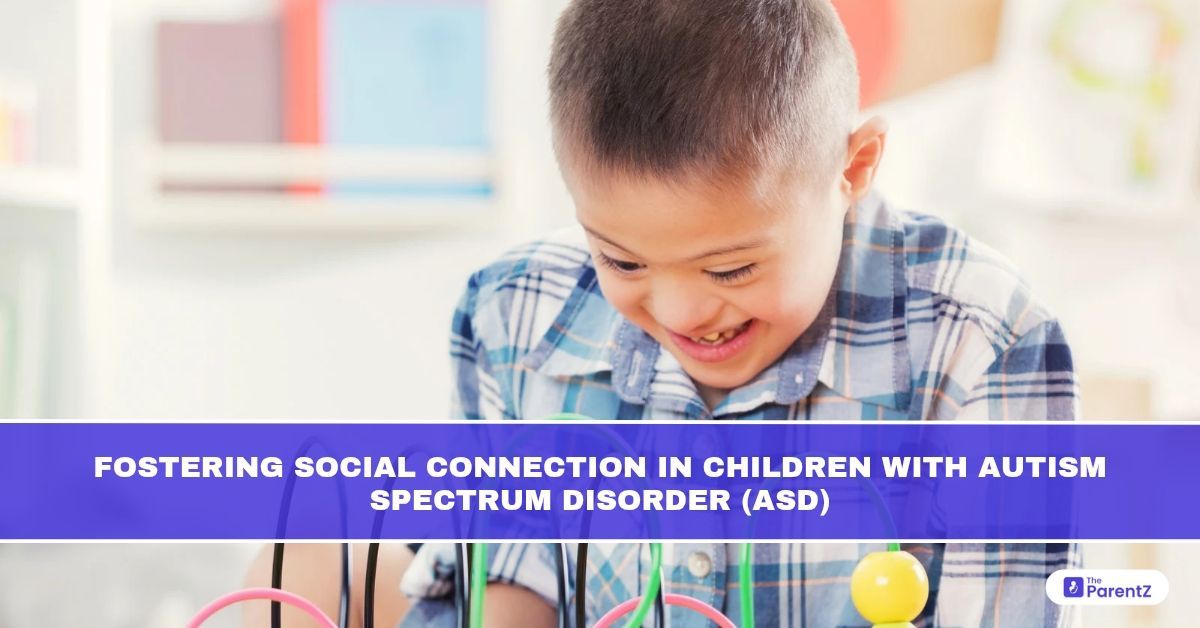
This silent communication extends beyond words into the realm of touch, movement, and even silence itself. A parent’s gentle hand on a shoulder, a rhythmic rocking motion, or a shared gaze can convey volumes. The challenge lies in shedding the expectation of traditional dialogue and instead embracing a form of connection that is tactile, intuitive, and deeply personal. It is in these moments that the parent-child bond transcends the need for language, becoming a language of its own.
The Sensory Symphony: Harmonizing with a Child’s Unique Rhythm
Autism often brings with it a heightened sensitivity to sensory input—a world that is too loud, too bright, or too overwhelming. For parents, this means learning to conduct a symphony of sensations, where each note must be played with precision to avoid discord. A child who flinches at the sound of a vacuum cleaner may find solace in noise-canceling headphones, while another who craves deep pressure might benefit from a weighted blanket. These are not luxuries; they are tools for survival and connection.
The sensory world of a child with autism is not a flaw to be corrected but a landscape to be understood. Parents must become conductors, orchestrating environments that cater to their child’s sensory needs while gently expanding their tolerance for new experiences. A walk in the park might begin with just a few minutes, gradually increasing as the child becomes more comfortable. A meal might start with a single preferred food, slowly introducing new textures and flavors. This is not about forcing adaptation but about creating a safe space for exploration.
Yet, the sensory symphony is not one-sided. Parents, too, must attune themselves to their own sensory needs, recognizing when they are overwhelmed and when they need to recalibrate. A parent who is exhausted by the relentless demands of caregiving cannot be fully present for their child. Self-care, in this context, is not selfishness—it is an act of love. It ensures that the parent can continue to be the steady hand guiding their child through the cacophony of life.
Routine as a Lighthouse: The Power of Predictability
In a world that often feels unpredictable, routine becomes a lighthouse, a beacon of stability that guides both parent and child through the storm. Children with autism frequently thrive in structured environments, where the boundaries of time and space provide a sense of security. Yet, routine is not a cage; it is a framework that allows for flexibility within its confines.
Consider the morning ritual—a predictable sequence of events that begins the day on a calm note. The same breakfast, the same route to school, the same bedtime story. These repetitions are not monotonous; they are anchors. They allow the child to anticipate what comes next, reducing anxiety and freeing up mental energy for growth. Parents, too, benefit from this structure, as it provides a rhythm to their days and a sense of control in a world that often feels chaotic.
However, routine must also allow for spontaneity. Life is not a script to be followed rigidly; it is a living, breathing entity that demands adaptation. The key is to balance predictability with openness, to create a rhythm that is both comforting and dynamic. A sudden change in plans—a canceled outing, a new activity—can be introduced gradually, with preparation and reassurance. This teaches resilience, showing the child that while some things are constant, others can be flexible.
Celebrating the Unconventional: Finding Joy in the Unexpected
The parent-child relationship with autism is not a story of challenges overcome but of joys discovered in unexpected places. It is in the child who finds solace in the repetitive motion of a spinning top, the parent who learns to see the world through their child’s eyes, and the shared laughter over a silly joke that only the two of them understand. These moments are not minor victories; they are the essence of connection.
Parents must learn to celebrate the unconventional milestones—the first time their child initiates a hug, the moment they express a need without prompting, the quiet pride in their eyes when they accomplish something new. These are not lesser achievements; they are triumphs in their own right. The parent who recognizes and honors these moments fosters a relationship built on mutual respect and admiration.
It is also important to challenge societal perceptions of success. A child who does not speak may communicate volumes through art, music, or movement. A parent who does not fit the mold of the “perfect caregiver” may find their own unique way to nurture their child. The goal is not to conform but to thrive, to create a bond that is as individual as the people who share it.
The Ever-Evolving Dance: Growing Together
Parenthood is not a static journey; it is a dance that evolves with each passing year. The parent of a toddler with autism may one day find themselves guiding a teenager through the complexities of adolescence, where the challenges shift but the core bond remains. This evolution is not a loss but a transformation—a deepening of the relationship that reflects the growth of both parent and child.
As the child matures, their needs and desires will change. What once brought comfort—a favorite toy, a particular routine—may no longer hold the same appeal. Parents must remain attuned to these shifts, adapting their approach while staying rooted in the love that binds them. This is not a task for the faint of heart; it requires patience, resilience, and an unwavering belief in the power of connection.
The dance of parenthood with autism is not always graceful. There will be missteps, moments of frustration, and days when the music seems to fade into silence. But in those moments, it is the bond between parent and child that keeps the rhythm alive. It is the quiet understanding that no matter how the dance changes, the connection remains.
In the end, the parent-child relationship with autism is a testament to the resilience of the human spirit. It is a story of love that defies convention, of connection that transcends words, and of joy found in the most unexpected places. It is not a journey for the faint of heart, but for those who embark on it, the rewards are immeasurable—a bond that is as unique as the individuals who share it, and as enduring as the love that fuels it.