Autism and Independent Living: Skills for Success
Navigating the labyrinth of adulthood is a rite of passage that demands dexterity, resilience, and an uncanny ability to adapt to the unpredictable currents of life. For individuals on the autism spectrum, this journey often unfolds like a symphony composed of unique rhythms and harmonies, where the melody of independence is played against the backdrop of societal expectations. The transition to independent living is not merely a leap into the unknown; it is a carefully orchestrated dance between autonomy and support, where each step forward is both a triumph and a testament to personal growth. The key to success lies not in conforming to a rigid mold of societal norms, but in embracing the idiosyncratic strengths that autism brings to the table—turning challenges into stepping stones and obstacles into opportunities for innovation.
Imagine independence as a garden. For some, it blooms effortlessly under the sun, while for others, it requires a gardener’s patience and a keen understanding of the soil’s peculiarities. Autism, with its spectrum of abilities and challenges, adds a layer of complexity to this cultivation. Yet, within this complexity lies the potential for a garden that is uniquely vibrant, where the flowers of self-reliance bloom in hues unseen by the average eye. The journey toward independent living is not about erasing the differences that define autism but about nurturing them into strengths that can weather any storm.
The Foundation of Independence: Self-Awareness and Routine
At the heart of independent living lies the bedrock of self-awareness—a compass that guides individuals through the terrain of daily life. For those on the autism spectrum, self-awareness is not a passive discovery but an active excavation, a process of uncovering one’s strengths, triggers, and coping mechanisms. It is the realization that one’s quirks are not flaws but facets of a distinct identity. This awareness becomes the cornerstone upon which routines are built, and routines, in turn, become the scaffolding that supports the edifice of independence.
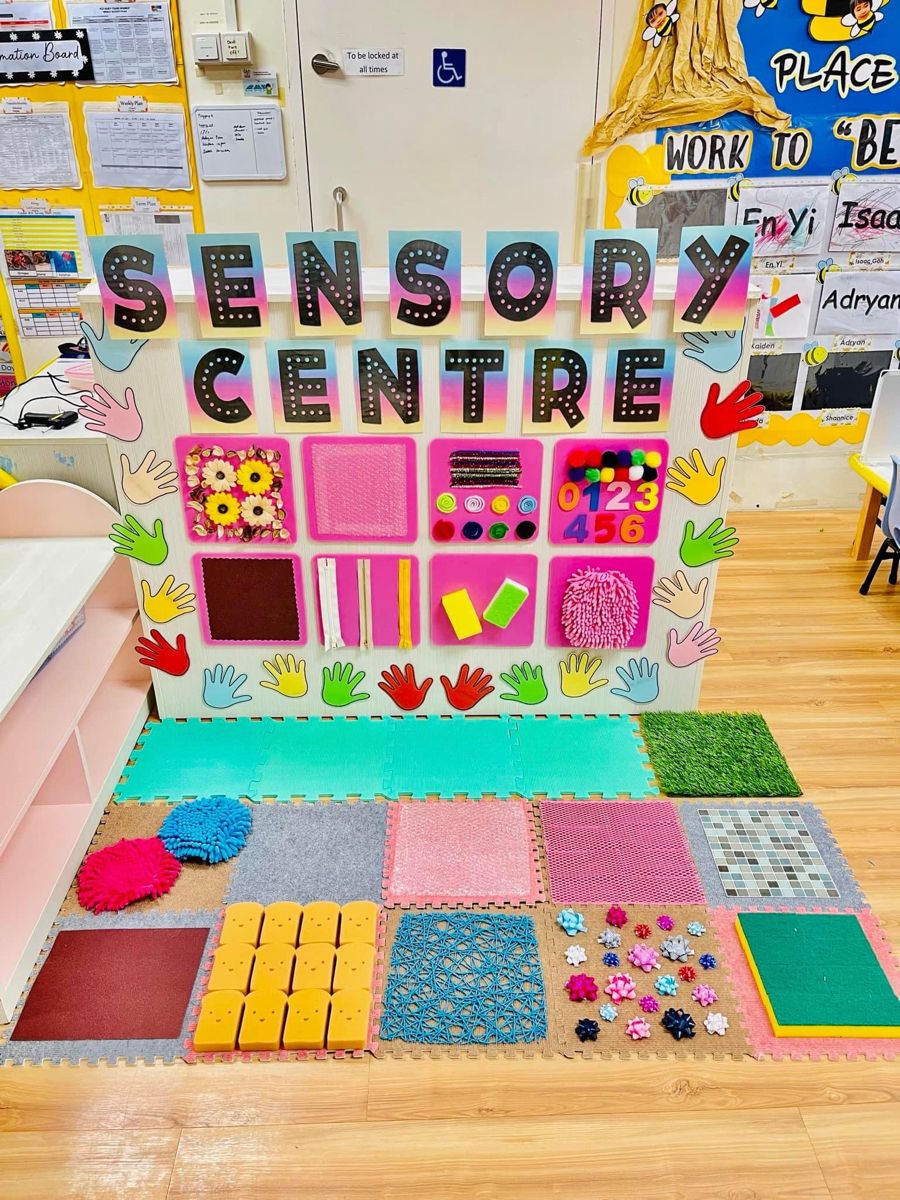
Routines are the silent conductors of life’s orchestra, ensuring that each note is played in harmony with the next. For individuals with autism, routines are not just habits; they are lifelines. They provide predictability in a world that often feels chaotic, offering a sense of control and security. A morning routine, for instance, might begin with a sensory check-in—touching a textured object to ground oneself, followed by a series of predictable steps: brushing teeth, making the bed, and preparing a favorite breakfast. These rituals are not mundane; they are acts of rebellion against the unpredictability of life, a declaration that one’s day will unfold on their terms.
Yet, routines are not rigid chains that bind; they are flexible frameworks that can adapt to the ebb and flow of life. The key is to strike a balance between structure and spontaneity, allowing room for growth while maintaining the stability that routines provide. For those with autism, this balance is not a destination but a dynamic equilibrium, a dance between the known and the unknown.
Mastering the Art of Daily Living: Practical Skills
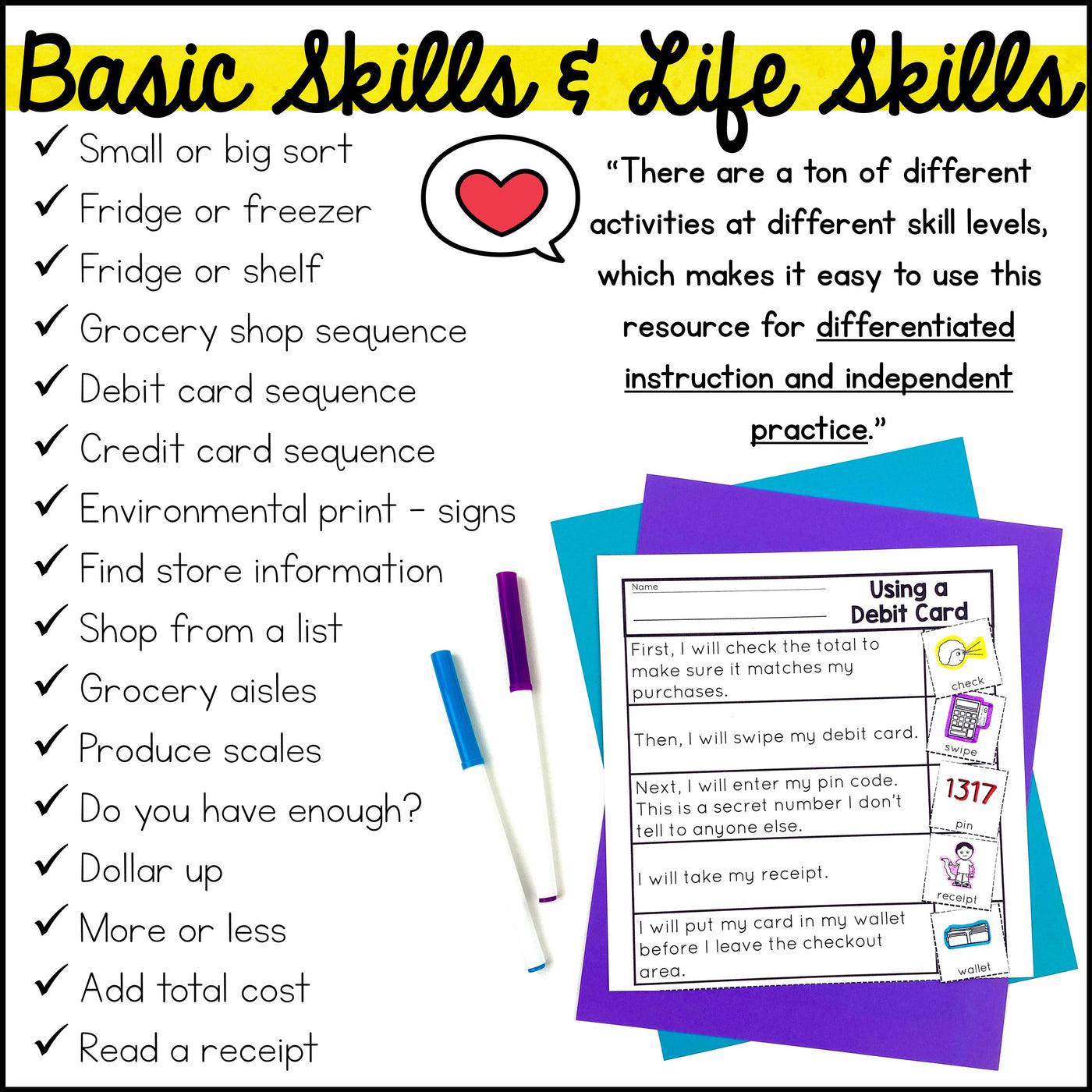
Independent living is a mosaic composed of countless practical skills, each piece contributing to the larger picture of self-sufficiency. For individuals on the autism spectrum, these skills are not merely tasks to be completed but challenges to be conquered, each one a milestone on the path to empowerment. Cooking, cleaning, budgeting, and time management are not chores; they are acts of defiance against the stereotype that autism equates to helplessness.
Cooking, for instance, is more than the act of preparing a meal; it is a sensory experience, a test of patience, and a celebration of creativity. For someone with autism, the kitchen can be a sanctuary where the sizzle of a frying pan and the aroma of spices blend into a symphony of independence. The challenge lies not in the complexity of the task but in the sensory overload that often accompanies it. Overcoming this requires a tailored approach—perhaps using noise-canceling headphones to muffle the cacophony of the kitchen or breaking down recipes into manageable steps. The goal is not perfection but progress, a steady march toward mastery.
Budgeting, too, is an art form, one that demands a keen understanding of numbers and a disciplined approach to spending. For individuals with autism, financial literacy can be a double-edged sword—some may excel in logical reasoning and pattern recognition, making them adept at managing finances, while others may struggle with the abstract nature of money. The solution lies in breaking down financial concepts into tangible, visual aids, such as color-coded charts or digital apps that simplify the process. The act of budgeting becomes less about numbers and more about empowerment, a tangible expression of control over one’s life.
The Social Labyrinth: Navigating Relationships and Communication
Independence is not a solitary endeavor; it is a journey that often intersects with the complex web of human relationships. For individuals with autism, the social landscape can feel like a labyrinth, where the walls shift unpredictably and the exits are obscured by miscommunication and misunderstanding. Yet, within this labyrinth lies the potential for profound connections, where friendships and partnerships are forged not in spite of differences but because of them.
Communication, the lifeblood of relationships, is a skill that can be honed with practice and intention. For those with autism, verbal and non-verbal cues may not come naturally, but they can be learned like a second language. The key is to approach communication with a sense of curiosity and adaptability, recognizing that each interaction is an opportunity to refine one’s social toolkit. For instance, a person might use visual aids, such as social stories or scripts, to navigate conversations, turning the unpredictable into the predictable. The goal is not to mimic neurotypical behavior but to find one’s unique voice, a blend of authenticity and adaptability.
Relationships, too, require a delicate balance of give and take. For individuals with autism, friendships may not follow the conventional script, but they can be just as meaningful. The challenge lies in finding those who appreciate the nuances of one’s personality, who see the world through a similar lens. These relationships are not built on superficial connections but on shared interests, mutual respect, and a willingness to embrace differences. They are the threads that weave the fabric of a fulfilling life, a reminder that independence does not mean isolation.

Overcoming Barriers: Advocacy and Support Systems
The path to independent living is rarely a straight line; it is a journey fraught with barriers, both visible and invisible. For individuals with autism, these barriers can manifest as societal stigma, inaccessible environments, or a lack of tailored support. Overcoming them requires not only personal resilience but also a robust support system, one that advocates for inclusion and accessibility.
Advocacy is the act of speaking up for oneself and others, a powerful tool in dismantling the barriers that stand in the way of independence. For individuals with autism, advocacy can take many forms—from educating peers about neurodiversity to negotiating accommodations in the workplace. The key is to approach advocacy with a sense of empowerment, recognizing that one’s voice has the power to effect change. Support systems, too, play a crucial role in this journey. Whether it’s family, friends, or professional services, these systems provide the scaffolding that allows individuals to take risks, make mistakes, and grow.
Yet, support is not a crutch; it is a catalyst. The goal is not to rely on others indefinitely but to use the support as a springboard toward greater independence. This might involve gradually reducing reliance on external assistance, learning to advocate for oneself, and building a network of peers who share similar experiences. The journey is not about going it alone but about finding the right balance between support and self-reliance.
The Unseen Strengths: Leveraging Autism as a Superpower
Autism is often framed as a set of challenges to be overcome, but it is also a source of unique strengths, a wellspring of creativity, focus, and innovation. For individuals on the spectrum, these strengths can be harnessed to create a life that is not only independent but also extraordinary. The key is to reframe the narrative, to see autism not as a limitation but as a lens through which the world is viewed differently—and often more vividly.
Consider the individual who thrives in a structured environment, where routines provide a sense of security and predictability. This person might excel in roles that require attention to detail, such as data analysis or quality control, where their ability to spot patterns and anomalies becomes an asset. Or perhaps the person who communicates through art, using visual mediums to express ideas that words cannot capture. These strengths are not just coping mechanisms; they are superpowers, tools that can be wielded to navigate the world with confidence and purpose.
The journey toward independent living is not about erasing the differences that define autism but about celebrating them. It is about recognizing that the path to success is not a straight line but a winding road, one that is uniquely tailored to the individual. For those on the spectrum, independence is not a destination but a continuous evolution, a process of growth and discovery that is as unique as the person themselves.
The garden of independence, with its vibrant blooms and resilient roots, is a testament to the power of embracing one’s differences. It is a reminder that the journey toward self-sufficiency is not about conforming to a mold but about sculpting a life that is authentically one’s own. For individuals with autism, this journey is not just about surviving the labyrinth of adulthood; it is about thriving within it, turning challenges into opportunities and obstacles into stepping stones. The result is a life that is not only independent but also extraordinary—a life that is as unique as the individual who lives it.