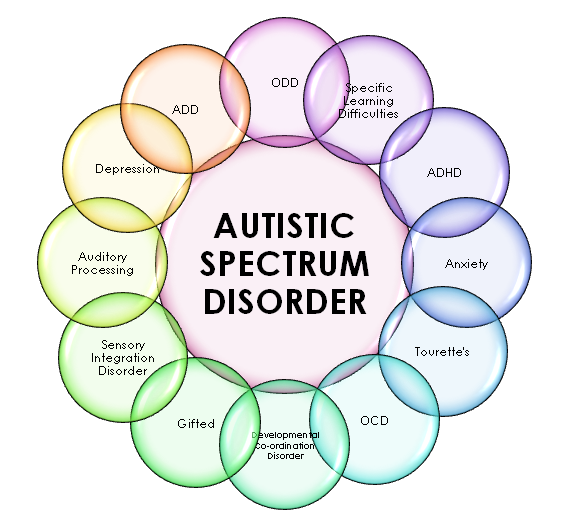
Autism and hormonal imbalances often intersect in ways that are as subtle as they are profound. For individuals on the spectrum, the tumultuous waves of puberty, the cyclical storms of PMS, and the transformative tides of menopause can feel like uncharted territories—territories where the body’s chemistry dictates emotions, behaviors, and even self-perception. These hormonal shifts are not merely physiological events; they are pivotal moments that can reshape the autistic experience, revealing layers of vulnerability and resilience alike. What if the key to understanding these transitions lies not just in the mind, but in the delicate dance between neurology and endocrinology?
Consider the adolescent autistic individual navigating puberty. The surge of hormones like estrogen and testosterone can amplify sensory sensitivities, intensify emotional responses, and disrupt established routines. What was once a manageable environment may suddenly feel overwhelming, as the body’s internal signals become louder, more insistent. The hormonal upheaval doesn’t just alter mood—it can distort the very lens through which the world is perceived. For those who already grapple with social nuances and communication challenges, these changes can feel like an invisible barrier, one that grows taller with each hormonal fluctuation. Yet, within this chaos lies an opportunity: a chance to reframe the autistic experience not as a static condition, but as a dynamic interplay of biology and identity.
The Hormonal Crucible of Puberty: When Autism Meets Adolescence
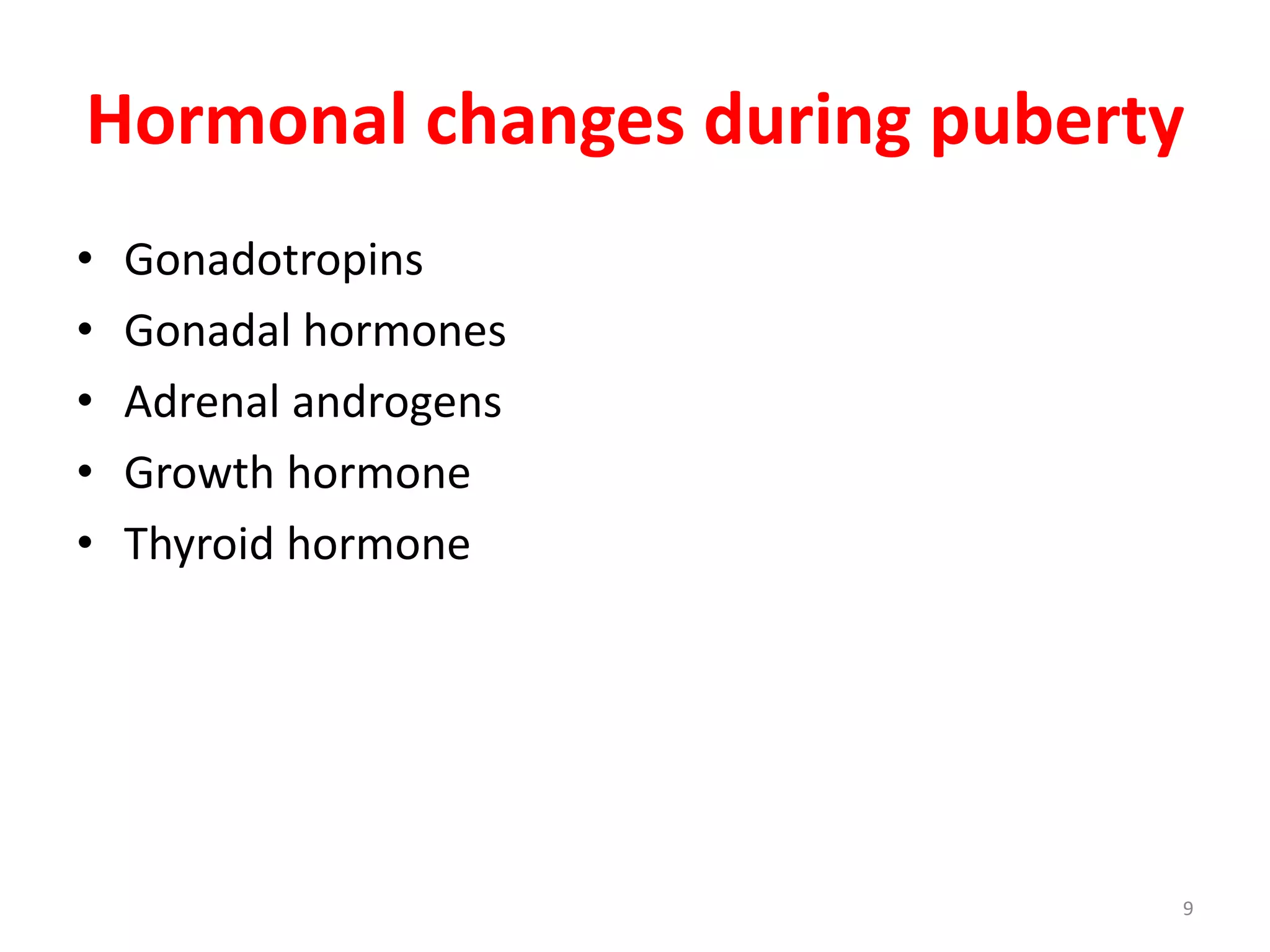
Puberty is a biological revolution, a period where the body’s endocrine system orchestrates a symphony of change. For autistic adolescents, this symphony can quickly devolve into cacophony. The hypothalamic-pituitary-gonadal (HPG) axis, responsible for triggering puberty, becomes hyperactive, flooding the system with hormones that heighten emotional reactivity and sensory processing. The result? A heightened vulnerability to meltdowns, shutdowns, and social withdrawal. What was once a predictable routine may now feel like a minefield of unpredictability, where even minor disruptions trigger outsized responses.
The interplay between autism and puberty is not one-dimensional. Hormones like estrogen and testosterone don’t just influence mood—they can alter the way sensory information is processed. A fabric that once felt comfortable may now feel abrasive; a sound that was background noise may now feel like a shriek. This sensory amplification is not merely an inconvenience; it can erode self-confidence and exacerbate feelings of alienation. For autistic teens, the challenge is not just managing hormonal changes, but reconciling them with an identity that may already feel fragmented.
Yet, this period also holds the potential for growth. The hormonal surges of puberty can catalyze self-awareness, pushing autistic individuals to explore coping mechanisms and advocate for their needs. Support systems—whether through therapy, peer networks, or adaptive strategies—become lifelines, helping to navigate the turbulent waters of adolescence. The key lies in recognizing that puberty is not a setback, but a chapter in a larger narrative of self-discovery.
PMS and Autism: The Cyclical Storm Within
For autistic individuals who menstruate, premenstrual syndrome (PMS) can feel like a monthly reckoning. The hormonal fluctuations that precede menstruation can amplify autistic traits, turning what was once manageable into an overwhelming challenge. Irritability, sensory overload, and emotional dysregulation become more pronounced, as if the body is amplifying the autistic experience to a crescendo. This cyclical pattern is not just a matter of mood swings—it’s a physiological reality that demands attention and understanding.
The relationship between PMS and autism is complex. Hormones like progesterone and estrogen influence neurotransmitter systems, including serotonin and dopamine, which are already implicated in autistic cognition. When these hormones surge and plummet, the result can be a perfect storm of sensory hypersensitivity, social withdrawal, and cognitive fog. For autistic individuals, this can feel like a betrayal of the self—a reminder that their body is not entirely under their control.
Yet, this cyclical pattern also offers an opportunity for insight. Tracking hormonal cycles can help autistic individuals anticipate and mitigate challenges. Tools like symptom diaries, adaptive routines, and hormonal therapies can provide stability in an otherwise unpredictable landscape. The goal is not to eliminate the hormonal influence, but to coexist with it—to find harmony in the chaos.
Menopause and Autism: The Uncharted Territory of Midlife
Menopause is often framed as a period of decline, a time when the body’s reproductive capabilities wane. For autistic individuals, however, menopause can feel like a second adolescence—one where the body’s chemistry undergoes yet another transformation. The decline in estrogen and progesterone can exacerbate autistic traits, making sensory sensitivities more pronounced and emotional regulation more challenging. What was once a manageable routine may now feel like a labyrinth of unpredictability.
The hormonal shifts of menopause can also reshape self-perception. For autistic individuals who have spent years adapting to their environment, the changes brought on by menopause can feel like a loss of control. The body that once provided a sense of stability may now feel foreign, its signals more erratic and less predictable. This can lead to feelings of isolation, as if the autistic experience is being rewritten without consent.
Yet, menopause is not just an ending—it’s a transition. For autistic individuals, this period can be an opportunity to redefine self-care, to explore new coping mechanisms, and to embrace a different kind of resilience. Hormone replacement therapy (HRT), adaptive routines, and community support can all play a role in navigating this uncharted territory. The goal is not to reverse the changes, but to find meaning in them—to recognize that the autistic experience is not static, but a lifelong journey of adaptation and growth.
Navigating the Intersection: Strategies for Hormonal Harmony
Understanding the interplay between autism and hormonal imbalances is the first step toward finding balance. For autistic individuals, the key lies in recognizing the cyclical nature of these challenges and developing strategies to mitigate their impact. This might involve tracking hormonal cycles, adjusting routines, or seeking support from healthcare providers who understand the unique needs of the autistic community.
Sensory accommodations can also play a crucial role. For those experiencing heightened sensitivities during hormonal fluctuations, creating a sensory-friendly environment can provide a much-needed respite. This might mean adjusting lighting, reducing noise, or incorporating calming textures into daily life. The goal is to create a sanctuary—a space where the body’s signals can be managed without overwhelming the senses.
Community support is another vital component. Connecting with others who share similar experiences can provide validation and insight, helping autistic individuals feel less alone in their journey. Whether through support groups, online forums, or advocacy organizations, finding a community that understands the intersection of autism and hormonal imbalances can be transformative.
The Bigger Picture: Redefining Autism Through a Hormonal Lens
The relationship between autism and hormonal imbalances is not just a matter of biology—it’s a testament to the complexity of human experience. By recognizing the role that hormones play in shaping autistic traits, we can move beyond the idea of autism as a static condition and embrace it as a dynamic interplay of neurology, endocrinology, and identity.
This shift in perspective is not just academic—it’s transformative. It invites us to see autistic individuals not as victims of their biology, but as resilient navigators of a complex landscape. It challenges us to rethink the way we approach support, advocacy, and self-care, recognizing that the autistic experience is not monolithic, but a tapestry of individual journeys.
Ultimately, the intersection of autism and hormonal imbalances is a reminder that we are all shaped by forces beyond our control. The goal is not to eliminate these forces, but to find harmony within them—to recognize that our bodies, our minds, and our identities are not separate entities, but a cohesive whole. In this understanding lies the potential for growth, resilience, and self-acceptance.
The journey is not easy, but it is worth taking. For autistic individuals navigating the tumultuous waters of hormonal change, the path forward is not about overcoming biology, but about learning to dance with it. And in that dance lies the promise of a more nuanced, more compassionate understanding of what it means to be autistic.