Embarking on the journey of higher education is a rite of passage for many young adults, a transformative odyssey that reshapes identities and redefines futures. For autistic students, this transition is not merely a step but a leap into uncharted territory, where the echoes of past routines collide with the cacophony of new expectations. Yet, within this challenge lies an extraordinary opportunity—a chance to cultivate resilience, harness unique strengths, and carve out a path that aligns with one’s authentic self. The transition to college for autistic individuals is not about conforming to a rigid mold but about reimagining what success looks like in an environment that, until recently, often overlooked their needs. This narrative explores the multifaceted experience of autistic students navigating higher education, from the initial tremors of uncertainty to the triumphant realization that their differences are not obstacles but catalysts for innovation and growth.
The first semester of college is often described as a baptism by fire, a period where the illusion of safety in familiar surroundings dissolves into the stark reality of independence. For autistic students, this transition can feel like being handed a map where the landmarks are unfamiliar and the roads are unpaved. The sensory overload of crowded lecture halls, the unpredictability of social interactions, and the relentless pace of academic demands can quickly become overwhelming. Yet, it is precisely in these moments of discomfort that growth occurs. Autistic students often possess a remarkable capacity for deep focus and pattern recognition, traits that can translate into academic excellence when given the right support. The key lies in fostering environments that not only accommodate their needs but celebrate their strengths, transforming what might seem like a disadvantage into a superpower.
The Labyrinth of Sensory Overload: Navigating the Unseen Barriers
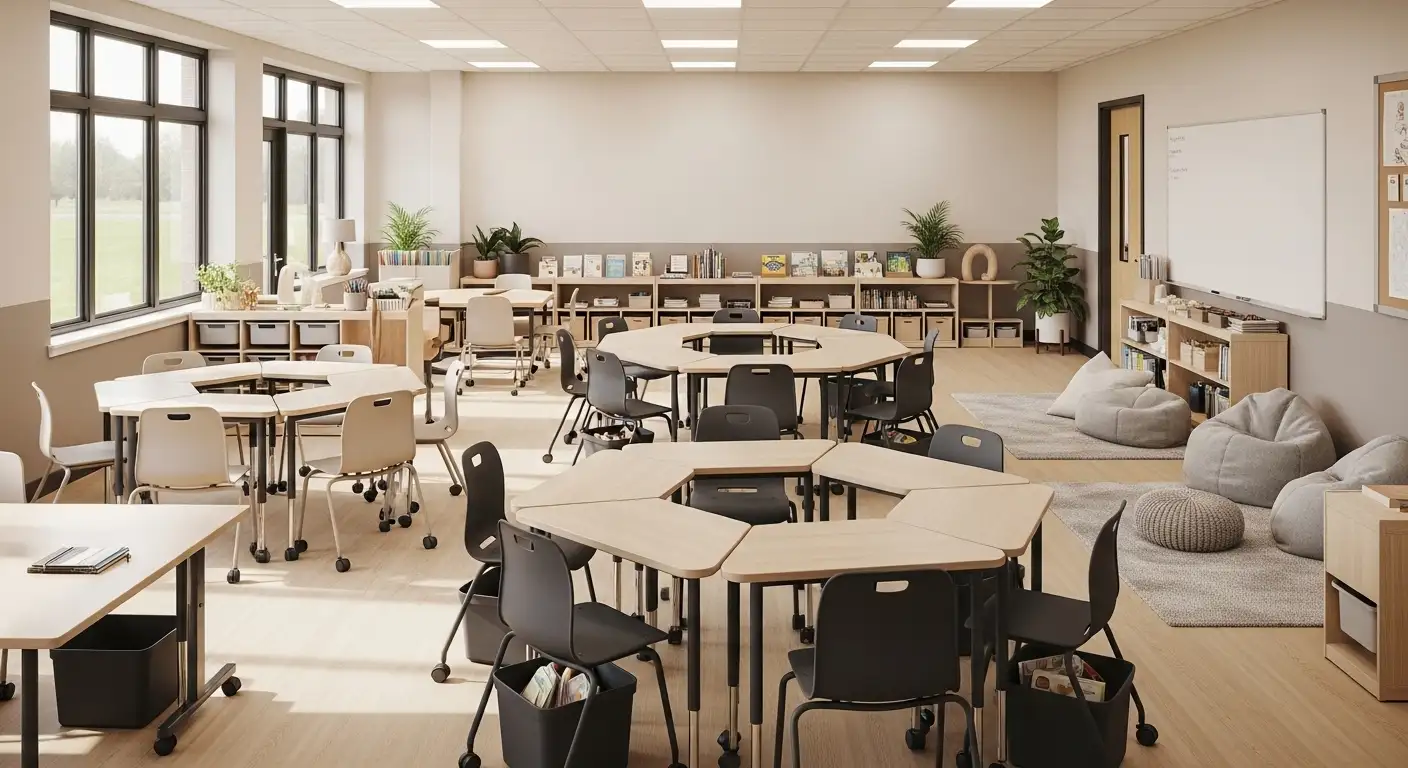
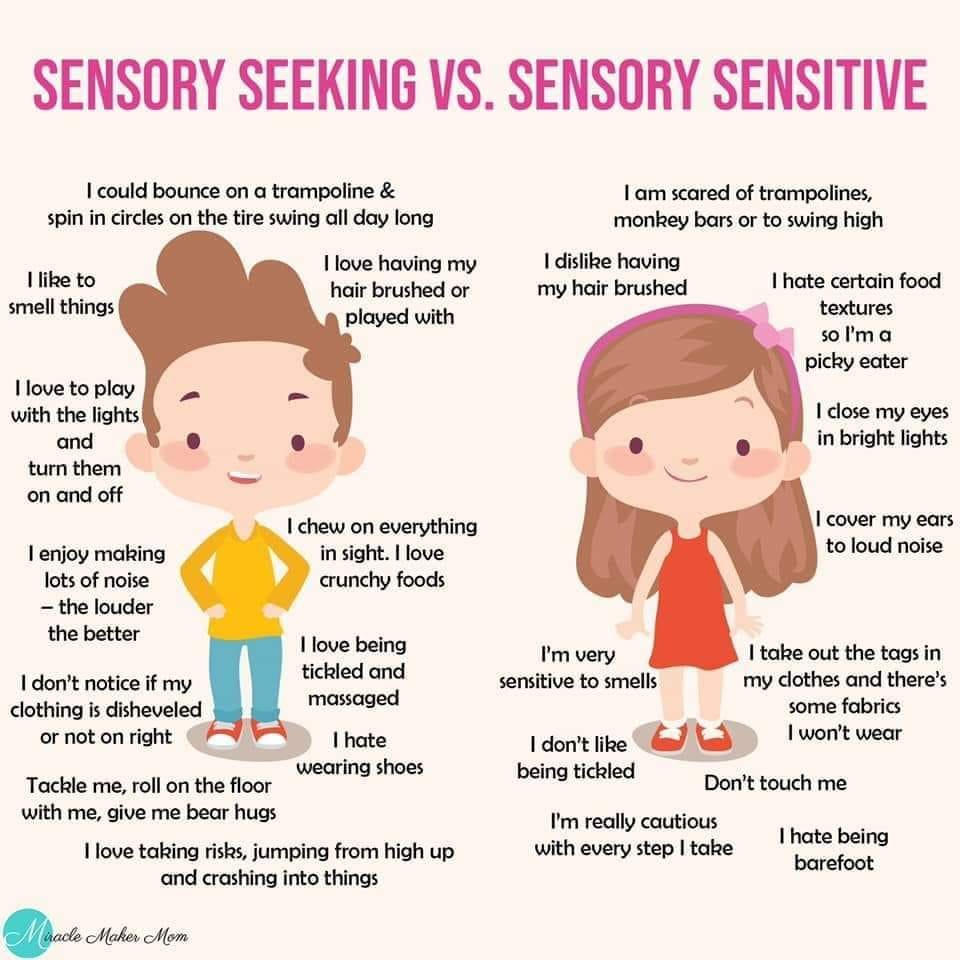
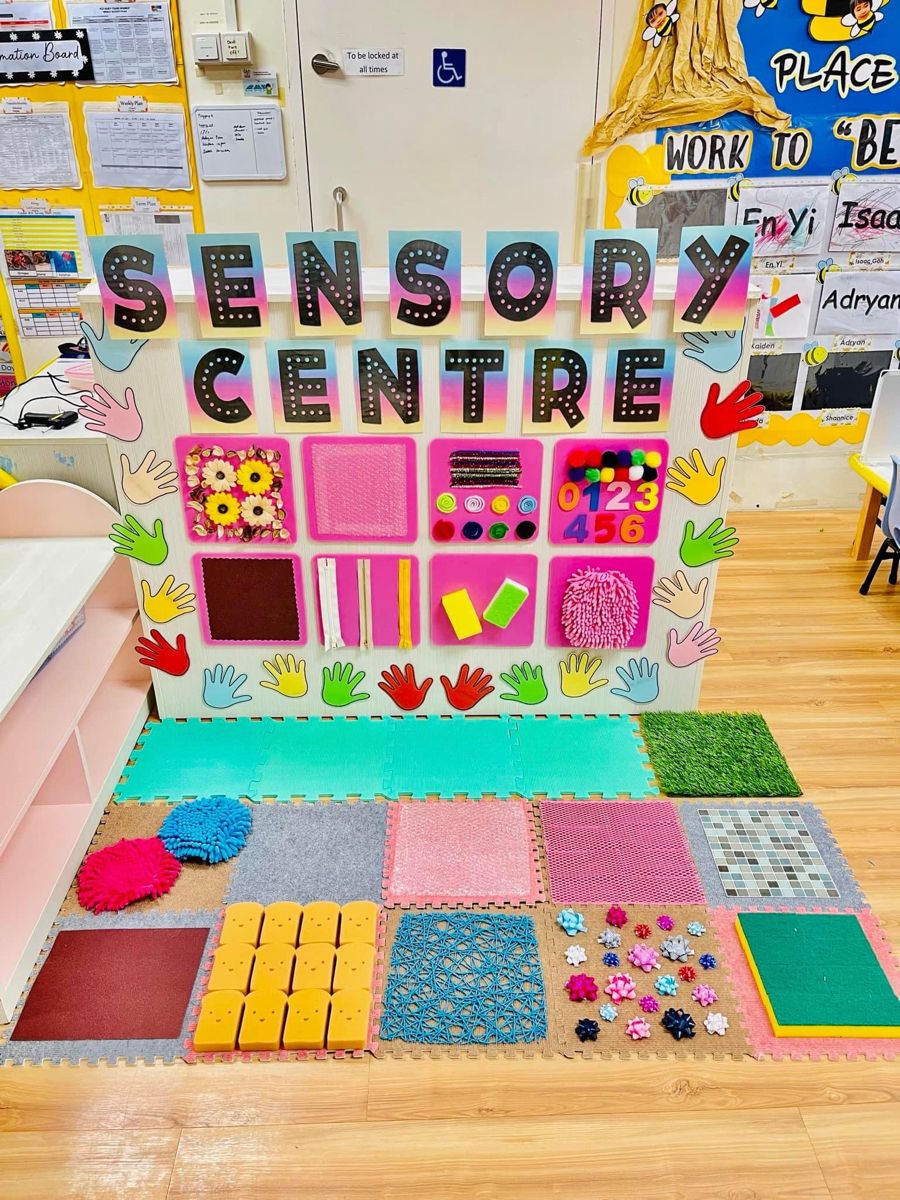
Imagine walking into a room where every sound is amplified, every light flickers like a strobe, and the air hums with an unidentifiable static. This is the daily reality for many autistic students in college settings, where sensory stimuli are often an afterthought. The fluorescent lights of a lecture hall, the echo of footsteps in a crowded hallway, or even the texture of a cafeteria meal can become insurmountable distractions. The result? A cognitive overload that impairs focus, memory, and emotional regulation. Yet, the solution is not to eliminate these stimuli—an impossible task—but to equip students with the tools to manage them. Noise-canceling headphones, quiet study spaces, and flexible scheduling can serve as lifelines, allowing autistic students to reclaim control over their environment. The goal is not to force adaptation but to create a symphony where each instrument—each student—can play in harmony with their surroundings.
For some, the sensory challenges extend beyond the physical environment into the digital realm. Online courses, while offering flexibility, present their own set of hurdles. The glare of screens, the lag of video feeds, and the absence of nonverbal cues can exacerbate feelings of isolation. Yet, technology also offers a silver lining. Adaptive software, closed captioning, and customizable interfaces can level the playing field, turning what was once a barrier into a bridge. The takeaway? The college experience is not one-size-fits-all, and the most successful institutions are those that recognize this and adapt accordingly.
The Social Tapestry: Weaving Connections in a World of Unwritten Rules
Social interactions in college are governed by an invisible code, a set of unwritten rules that dictate everything from eye contact to small talk. For autistic students, deciphering this code can feel like trying to solve a Rubik’s Cube blindfolded. The pressure to conform—to mimic neurotypical behaviors—can be exhausting, leading to burnout or, worse, a sense of erasure. Yet, the beauty of college lies in its diversity, its capacity to bring together individuals from all walks of life. Autistic students often find solace in niche communities, whether it’s a club for neurodivergent students, a quiet corner in the library, or an online forum where they can express themselves without fear of judgment. These spaces are not just refuges; they are incubators for self-discovery, where students can explore their identities without the weight of societal expectations.
Mentorship programs play a pivotal role in this journey. Pairing autistic students with mentors who share similar experiences can demystify the college landscape, offering guidance on everything from time management to navigating group projects. The mentor-mentee relationship is not about fixing what is “broken” but about amplifying what is already there—a unique perspective, a novel approach to problem-solving. In this dynamic, the autistic student is not a project to be managed but a partner in a shared quest for growth.
Academic Rigor Meets Neurodivergent Brilliance: Redefining Success
The traditional academic model is built on a foundation of uniformity, where success is measured by standardized tests, rigid deadlines, and a one-size-fits-all curriculum. For autistic students, this model can feel like a straitjacket, stifling creativity and imposing unnecessary stress. Yet, higher education is increasingly recognizing the value of neurodiversity. Institutions that embrace Universal Design for Learning (UDL) principles are creating curricula that cater to diverse learning styles, offering multiple means of engagement, representation, and expression. This shift is not about lowering standards but about expanding the definition of excellence.
Consider the autistic student who thrives in structured, detail-oriented tasks but struggles with open-ended assignments. For them, a project with clear parameters and step-by-step instructions can unlock their potential, whereas a vague essay prompt might leave them paralyzed. Similarly, a student with exceptional pattern recognition skills might excel in STEM fields where logic and precision are paramount. The key is to move away from a deficit-based model—where differences are seen as weaknesses—to an asset-based model, where strengths are nurtured and leveraged. This approach not only benefits autistic students but enriches the entire academic community, fostering innovation and collaboration.
Assistive technologies are another game-changer. Text-to-speech software, graphic organizers, and mind-mapping tools can help students process information in ways that align with their cognitive strengths. For example, a student who struggles with reading comprehension might use an audiobook to absorb the material, while another might rely on visual aids to organize their thoughts. The goal is not to replace traditional methods but to offer alternatives that empower students to engage with the material on their own terms.
The Invisible Curriculum: Mastering the Art of Self-Advocacy
College is not just about earning a degree; it’s about mastering the art of self-advocacy. For autistic students, this means learning to articulate their needs, set boundaries, and navigate bureaucratic systems—a skill set that is often absent from high school curricula. The process begins with self-awareness: understanding one’s strengths, challenges, and triggers. From there, it’s about building the confidence to communicate these insights to professors, advisors, and peers. This is no small feat. Many autistic students fear being perceived as “difficult” or “demanding,” leading them to suffer in silence rather than ask for accommodations. Yet, self-advocacy is not a luxury; it’s a necessity in a system that is not inherently designed for neurodivergent minds.
The process of requesting accommodations can feel like navigating a labyrinth, with each office having its own set of rules and procedures. Autistic students often need guidance to decode this system, whether it’s through disability services, peer mentors, or online resources. The most effective accommodations are those that are proactive rather than reactive. For instance, a student with executive dysfunction might benefit from extended deadlines, while another with sensory sensitivities might need a private testing space. The goal is to create a safety net that catches students before they fall, allowing them to focus on learning rather than survival.
Yet, self-advocacy extends beyond formal accommodations. It’s about recognizing when to push back against unfair expectations, whether it’s a professor who dismisses a student’s concerns or a roommate who invades personal space. It’s about knowing when to say no—whether to social events that drain energy or assignments that trigger anxiety. This is where resilience is forged, in the quiet moments of courage where students learn to trust their instincts and stand up for themselves.
The Ripple Effect: How Autistic Students Enrich the College Ecosystem
The presence of autistic students in college classrooms does more than diversify the student body; it transforms the entire ecosystem. Neurodivergent minds bring unique perspectives, challenging conventional wisdom and sparking innovative solutions. Consider the student who notices a flaw in a professor’s argument that others overlook, or the group project where an autistic student’s meticulous attention to detail saves the day. These contributions are not just valuable; they are essential in a world that demands creativity and adaptability.

The college experience is not a solitary journey but a collective one, where each student’s presence shapes the environment for others. Autistic students, with their honesty and direct communication styles, can model authenticity in a world that often rewards performative behavior. They can teach their peers the value of patience, the importance of clear communication, and the beauty of thinking differently. In this way, the transition to college is not just about individual growth but about fostering a culture of inclusivity and mutual respect.
The journey of an autistic student in higher education is a testament to the power of resilience and the importance of redefining success. It is a story of turning challenges into opportunities, of finding strength in difference, and of building communities where everyone can thrive. As colleges continue to evolve, they must embrace this narrative—not as a side story but as a central plotline in the broader tale of higher education. The future of academia depends on it.
The transition to college for autistic students is not a story of overcoming adversity but of reimagining possibility. It is a reminder that the most profound transformations often begin in the unlikeliest of places—in the quiet corners of a library, in the hum of a lecture hall, in the shared struggles and triumphs of a diverse community. As these students step into their new roles, they do more than earn degrees; they reshape the world, one mind at a time.