
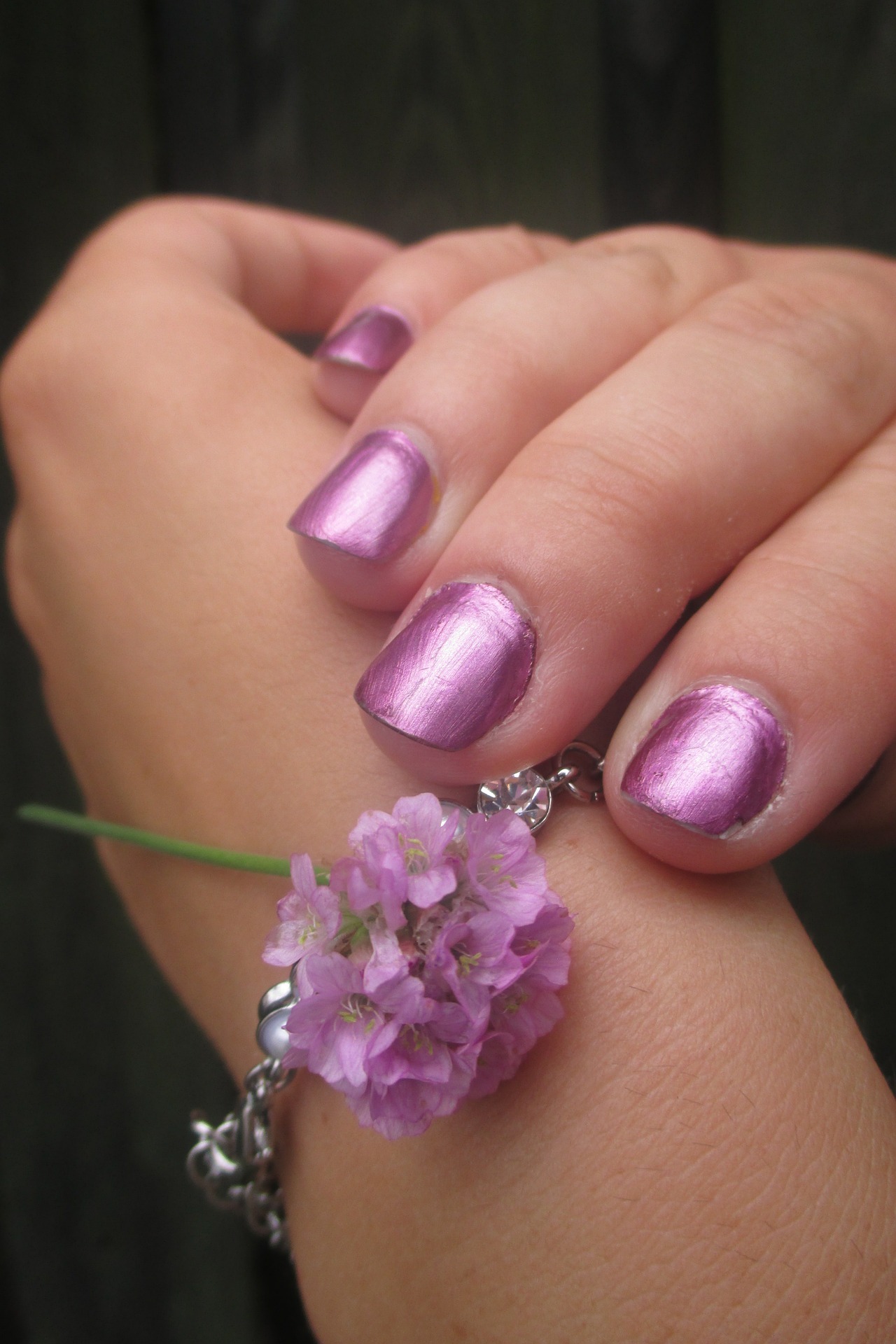
Autism and nail care may seem like an unlikely pairing, yet for many individuals on the spectrum, the act of receiving a manicure or pedicure can be a transformative experience. The tactile sensations, rhythmic movements, and structured environment of a salon offer a unique sensory landscape—one that can either soothe or overwhelm. For autistic individuals, whose sensory processing often differs from neurotypical patterns, these services present an opportunity to engage with touch in a controlled, predictable manner. The fascination with nail care extends beyond aesthetics; it becomes a form of self-regulation, a tactile meditation, or even a creative outlet where precision and repetition take center stage. Understanding this connection requires delving into the sensory intricacies of autism and how structured grooming rituals can provide both comfort and empowerment.
The Sensory Symphony of Nail Care
For autistic individuals, sensory input is not merely perceived—it is experienced in layers. The texture of lotion, the pressure of a file against nails, the sound of clippers snipping, and the visual symmetry of polished nails all contribute to a symphony of sensations. Unlike neurotypical individuals who may filter out extraneous stimuli, autistic individuals often absorb these details with heightened intensity. A manicure or pedicure, when approached with intention, can become a carefully curated sensory experience. The act of filing nails smooths rough edges, both literally and metaphorically, offering a sense of control in a world that often feels chaotic. The rhythmic motion of a buffer gliding over nails can mimic the repetitive motions many autistic individuals use for self-soothing, such as hand-flapping or rocking. This tactile engagement provides a grounding effect, anchoring the individual in the present moment.
However, the sensory overload of a traditional salon can be counterproductive. Fluorescent lighting, the hum of dryers, and the scent of polish fumes may trigger discomfort or even distress. The key lies in creating a sensory-friendly environment where these elements are minimized or adapted. Soft, natural lighting, quiet spaces, and fragrance-free products can transform a nail care session into a therapeutic ritual rather than a sensory assault. For some, the introduction of weighted blankets or noise-canceling headphones during the process can further enhance comfort, allowing the individual to fully immerse themselves in the tactile and visual aspects of nail care without distraction.
The Ritual of Repetition and Precision
Autistic individuals often exhibit a deep fascination with patterns, symmetry, and repetitive actions. Nail care, with its emphasis on uniformity and meticulous detail, aligns perfectly with these intrinsic preferences. The process of shaping nails, applying polish in precise strokes, and admiring the finished result taps into a desire for order and predictability. Unlike broader grooming routines that may feel arbitrary, nail care offers a tangible, measurable outcome—smooth, symmetrical nails that reflect both effort and skill. This ritualistic aspect can be deeply satisfying, providing a sense of accomplishment and mastery over one’s appearance.

The precision required in nail care also appeals to the autistic mind’s tendency toward hyperfocus. When engaged in a task that demands attention to detail, autistic individuals often enter a state of flow where time seems to dissolve. The act of painting nails, for instance, requires steady hands and a steady gaze, channeling energy into a singular, absorbing activity. This focus can be meditative, offering a respite from the overwhelming stimuli of daily life. For those who struggle with executive function or task initiation, the structured nature of nail care provides a clear, step-by-step process that is easier to navigate than more open-ended grooming routines.
Navigating Social Expectations and Self-Expression
Beyond the sensory and ritualistic aspects, nail care for autistic individuals can also serve as a form of self-expression in a world that often imposes rigid social norms. The act of choosing nail colors, designs, or even the decision to keep nails short or long becomes a way to assert autonomy over one’s body and identity. For those who may feel misunderstood or constrained by societal expectations, nail art can be a silent yet powerful form of communication. A bold color might signal confidence, while intricate designs could reflect creativity and individuality. The salon, when approached as a safe space, becomes a studio where personal narratives are painted onto nails, one stroke at a time.
However, the social expectations surrounding nail care—such as the pressure to conform to trends or the assumption that everyone desires long, polished nails—can create additional layers of complexity. Autistic individuals may feel conflicted between their own preferences and external judgments. A sensory-friendly salon experience should prioritize the individual’s comfort over aesthetic trends, allowing them to explore nail care on their own terms. Whether that means opting for short, unpolished nails for tactile comfort or embracing vibrant, unconventional designs for creative expression, the focus should remain on what feels authentic and empowering to the individual.
Practical Tips for Sensory-Friendly Nail Care
Creating a positive nail care experience for autistic individuals begins with preparation and communication. Before the appointment, it can be helpful to visit the salon in advance to assess its sensory environment. Questions about lighting, noise levels, and product ingredients should be addressed to ensure the space aligns with the individual’s needs. Bringing familiar items, such as a favorite lotion or a comfort object, can also ease the transition into the salon setting. For those who are new to nail care, starting with a simple, low-sensory service—such as a basic manicure without polish—can help build confidence and familiarity with the process.
During the appointment, clear communication between the client and the nail technician is essential. Describing preferences in detail, such as the desired pressure during massage or the avoidance of certain textures, ensures the experience is tailored to the individual’s comfort. Some autistic individuals may benefit from breaking the session into smaller segments, allowing for breaks to regroup or adjust to sensory input. For example, filing nails might be followed by a short pause before applying polish, giving the individual time to process the sensations without feeling rushed. The use of tools like vibrating nail buffers or textured massage tools can also enhance the experience, providing additional sensory input that is both stimulating and soothing.
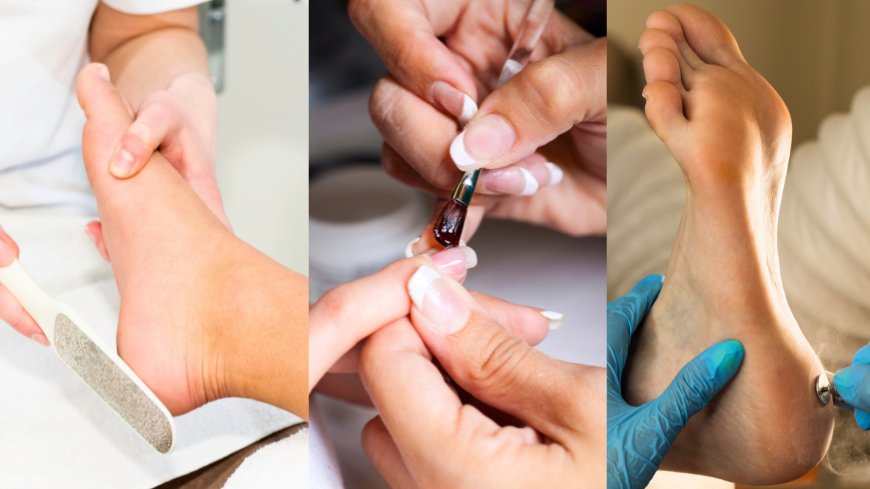
Aftercare is equally important in maintaining the benefits of the experience. For some, the lingering sensation of polish or the memory of the salon’s ambiance can be comforting long after the appointment ends. Keeping a small kit of nail care essentials at home—such as cuticle oil or a gentle buffer—allows the individual to replicate the sensory experience independently. For those who find the tactile feedback of polished nails pleasurable, maintaining a fresh manicure or pedicure can serve as a daily reminder of self-care and personal agency.
The Deeper Fascination: Why Nail Care Resonates
The allure of nail care for autistic individuals extends beyond its practical or aesthetic benefits; it taps into a fundamental need for control, creativity, and connection. In a world where unpredictability often reigns, the structured, tactile nature of nail care offers a rare opportunity to impose order. The act of transforming nails from rough and uneven to smooth and polished can symbolize a broader process of self-refinement and care. For some, the fascination lies in the transformation itself—a before-and-after narrative that mirrors personal growth and resilience.
There is also an undeniable element of ritual in nail care, a practice that has been woven into human culture for centuries. The act of adorning oneself with paint or adornments is a universal form of expression, one that transcends language and neurotype. For autistic individuals, this ritual takes on added significance, becoming a bridge between the internal and external self. The nails, as a visible canvas, allow for silent communication—a way to share aspects of identity without words. In this light, nail care is not merely a grooming task but a form of storytelling, where each stroke of polish or scrape of a file etches a narrative onto the body.
The deeper fascination with nail care may also stem from its ability to evoke a sense of mastery. The autistic mind often thrives on systems and rules, and nail care provides a structured framework where success is measurable. A well-executed manicure or pedicure is a testament to patience, precision, and perseverance. For those who may struggle with other aspects of self-care or social interactions, the tangible results of nail care offer a rare source of validation and pride. It is a reminder that even in a world that can feel overwhelming, there are moments of beauty and control to be found in the smallest details.
In embracing nail care as a sensory-friendly and empowering practice, autistic individuals are not merely adhering to beauty standards—they are reclaiming agency over their bodies and their experiences. The salon, when approached with intention and sensitivity, can become a sanctuary where touch is celebrated, creativity is nurtured, and self-expression flourishes. For those who find solace in the rhythmic cadence of a file against nails or the vibrant hues of polished digits, nail care is more than a routine; it is a celebration of individuality, resilience, and the quiet joys of sensory harmony.












