In the intricate mosaic of autism spectrum disorder, sensory seeking behaviors have often been misunderstood or superficially addressed. Yet, these behaviors unveil a nuanced portrait of how individuals on the spectrum interact with their environment, often with profound implications for communication, learning, and emotional regulation. A closer examination of sensory seeking behaviors promises a transformative perspective—one that transcends mere observation and begins to unravel what these behaviors truly signify.
Understanding Sensory Seeking: Beyond the Surface
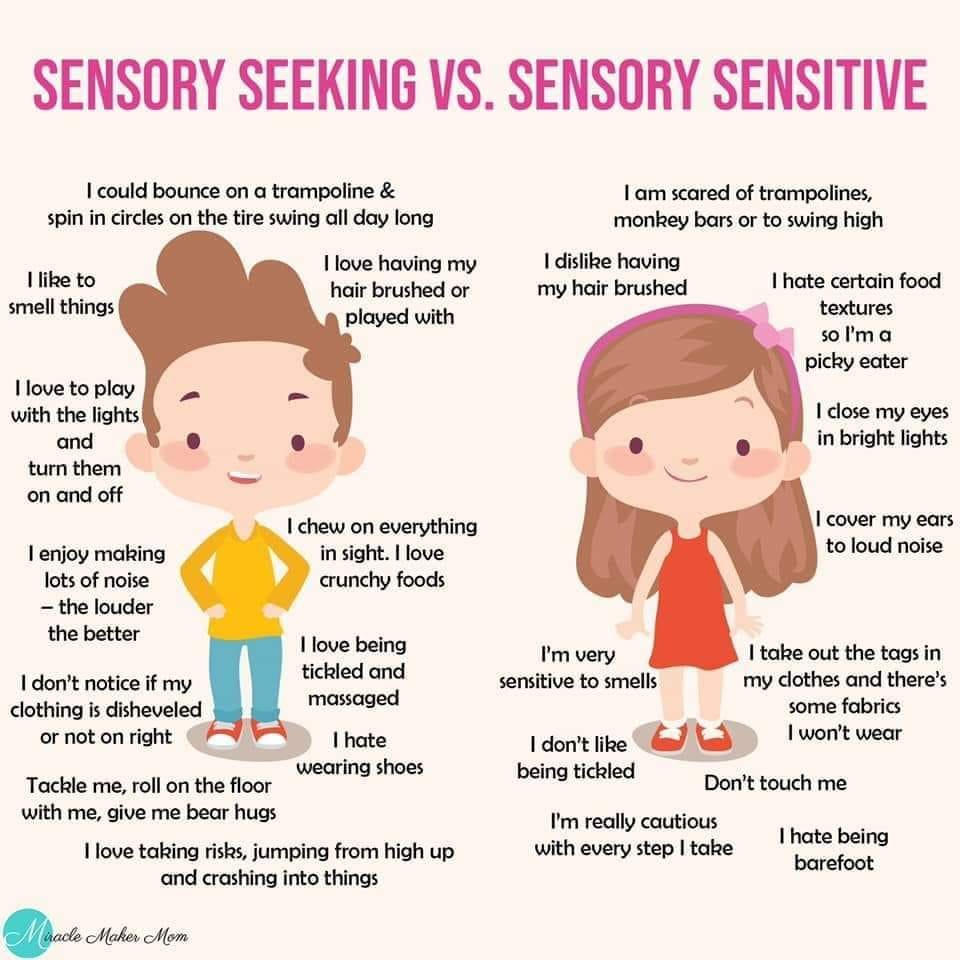
Sensory seeking refers to the active pursuit of sensory input, driven by the brain’s imperative to regulate and modulate its sensory experiences. Unlike sensory avoidance—where one recoils or withdraws from stimuli—sensory seekers immerse themselves in tactile, auditory, visual, proprioceptive, or vestibular sensations. This pursuit is not mere whimsy; it is a calculated, often subconscious, mechanism to achieve sensory equilibrium.
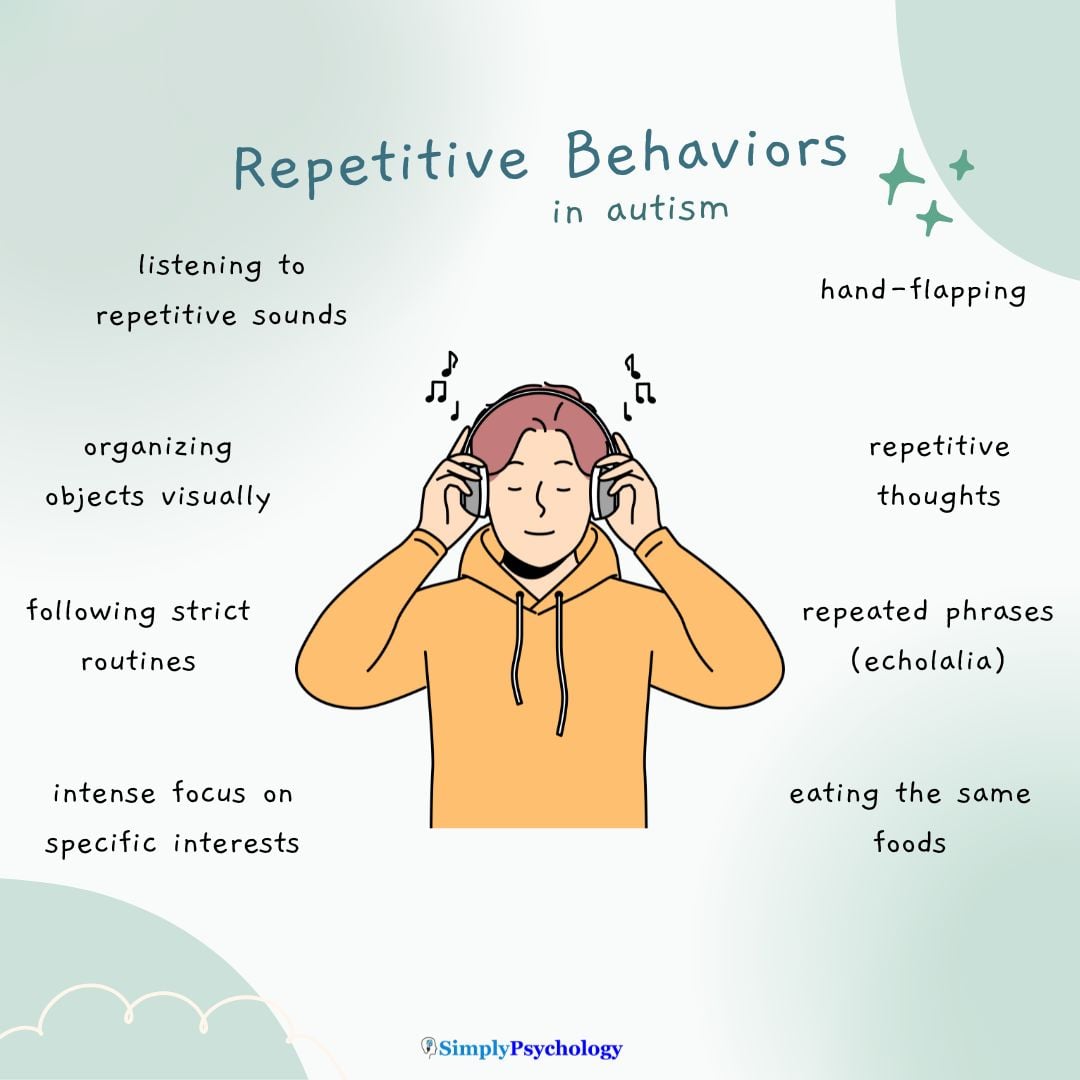
Imagine an individual spinning repetitively or tapping a surface continuously. To an uninformed observer, these may appear as repetitive or disruptive actions with no discernible purpose. However, these behaviors often serve as self-regulatory strategies. They can function as an internal thermostat, calibrating sensory input in environments that might otherwise feel overwhelming or under-stimulating.

The Neuroscience Behind Sensory Seeking
Emerging advancements in neuroscience shed light on why sensory seeking behaviors manifest so prominently among those with autism. The brain’s sensory processing centers operate differently, leading to either hyposensitivity or hypersensitivity to stimuli. In cases of hyposensitivity, the nervous system craves augmented sensory input to reach an optimal level of arousal.
This craving manifests as persistent engagement in activities that provide intense sensory feedback—whether it be the brisk swings on a playground, the rhythmic drumming of fingers, or the visual stimulation from spinning objects. Neurologically, this is not random but an adaptive response to imbalance in sensory input processing.
Deciphering the Language of Sensory Seeking
Viewing sensory seeking behaviors through the prism of language provides a profound shift in perspective. These behaviors are an individual’s nonverbal communication, signaling unmet sensory needs or emotional states. They can be considered an implicit dialogue, a way to express discomfort, joy, curiosity, or a desire for connection.
For caregivers and educators, learning to interpret this sensory “lexicon” is crucial. Instead of suppressing these actions, understanding what the individual seeks can guide appropriate support. For instance, a child who persistently touches textured objects may find tactile exploration soothing, or it may help them organize chaotic internal sensory feedback. Recognizing this transforms intervention from correction into collaboration.

The Spectrum Within Sensory Seeking
Sensory seeking is not a monolith. It spans a spectrum within itself, varying by sensory modality and individual experience. Some may pursue vigorous proprioceptive input through jumping or crashing into soft objects, while others may indulge in intense visual stimming, such as flashing lights or watching spinning wheels.
Moreover, these behaviors fluctuate with context, mood, and physiological state. Sensory seekers may appear calm and engaged in a sensory-rich environment but become agitated and overwhelmed when deprived of their preferred stimuli. This dynamic nature makes sensory seeking both a challenge to manage and a vital clue to understanding underlying needs.
Implications for Intervention and Support
Interventions grounded in sensory integration principles have pioneered new avenues for supporting sensory seekers. Instead of attempting to extinguish these behaviors, effective strategies emphasize providing safe, structured opportunities for sensory exploration, ensuring access to sensory diets tailored to individual profiles.
Occupational therapy often plays a pivotal role in identifying which sensory inputs calm or stimulate, crafting personalized protocols that empower autonomy and self-regulation. This paradigm shift invites a respectful acknowledgment of sensory seeking as a legitimate and crucial component of neurological diversity, rather than a problem to be eradicated.
Future Directions: Embracing Sensory Seeking as Strength
The trajectory of research and clinical practice increasingly highlights sensory seeking behaviors as potential strengths rather than deficits. These behaviors reflect resilience and adaptability, evidencing how autistic individuals navigate their sensory worlds uniquely.
Recognizing and harnessing sensory seeking can enhance creativity, focus, and wellbeing. For example, gentle rocking or rhythmic tapping might not only soothe but enhance concentration during challenging tasks. Encouraging environments that validate sensory exploration can cultivate innovation and self-efficacy.
As society expands its understanding of neurodiversity, sensory seeking behaviors beckon us to rethink normative assumptions about sensory processing. They invite compassionate curiosity and a commitment to crafting environments that honor diverse sensory experiences.
In conclusion, sensory seeking behaviors in autism transcend mere challenges or quirks. They embody a complex interplay between the individual and their sensory landscape—a dance of adaptation and expression. Embracing this reality opens doors to richer communication, improved interventions, and, ultimately, a more inclusive appreciation of human difference.