Have you ever truly considered how profoundly a single perspective can alter your entire worldview? When faced with the daily realities of raising an autistic child, one quickly realizes that the world is not merely a static place; it is a kaleidoscope of experiences, sensations, and emotions, often viewed through a lens unlike one’s own. This journey is not always smooth, but it is invariably transformative. It challenges assumptions, invites patience, and cultivates a newfound appreciation for nuances previously ignored or misunderstood.
Embracing Neurodiversity: A Paradigm Shift
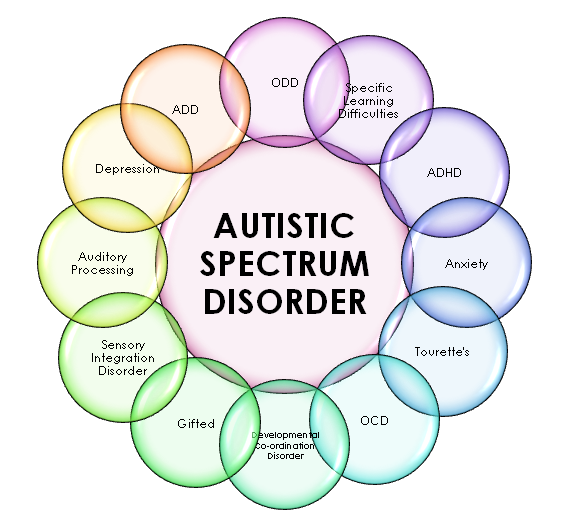
At first glance, autism can seem like an enigma—a complex code begging to be deciphered through behavior and communication. But what if instead of seeing autism as a puzzle to solve, it is regarded as a divergent mode of perception? This shift from a deficit-based viewpoint to one that values neurodiversity opens the door to profound empathy. It encourages recognizing and celebrating different cognitive frameworks rather than imposing normative expectations.
Through my child’s eyes, I encountered a world abundant with intricate patterns, unexpected associations, and potent sensitivity to sensory stimuli. What I once perceived as “odd” or “disruptive” behavior gradually revealed itself to be a manifestation of a rich, internal landscape—one that communicates in a language of details and rhythms unique to their being.

The Challenge of Communication: Listening Beyond Words
Communication is often hailed as the cornerstone of connection, yet for many autistic individuals, the conventional modes of communication are not always accessible or comfortable. This challenges caregivers to cultivate alternative methods—attuning to subtle cues, nonverbal signals, and unconventional expressions.
This necessity to listen beyond words fosters an acute mindfulness and presence. One learns that silence can carry meaning; a fleeting glance or a shared interest in a specific object can become profound connectors. This indirect dialogue nurtures patience and compels a slower, more deliberate engagement with the world.
The Art of Routine and Predictability: Security in Structure
Repetitive behaviors and routines often misunderstood as restrictive become, in fact, sources of stability. For an autistic child, predictability offers a sanctuary from sensory overload and a volatile environment. Embracing this insight reshapes the understanding of flexibility—not as adherence to spontaneity but as adaptive responsiveness.
Incorporating structure into daily life becomes less about control and more about creating a scaffold that supports growth and well-being. Flexibility is redefined to accommodate the balance between routine and the small moments of novelty which bring excitement without discomfort.
The Sensory World: Heightened Perception or Overwhelming Barrage?
One of the most significant revelations is the appreciation of sensory experiences through heightened perception. Sounds, textures, lights, and smells might evoke pleasure or distress in intensified ways. Recognizing these sensory sensitivities is crucial to fostering an environment where comfort can flourish.
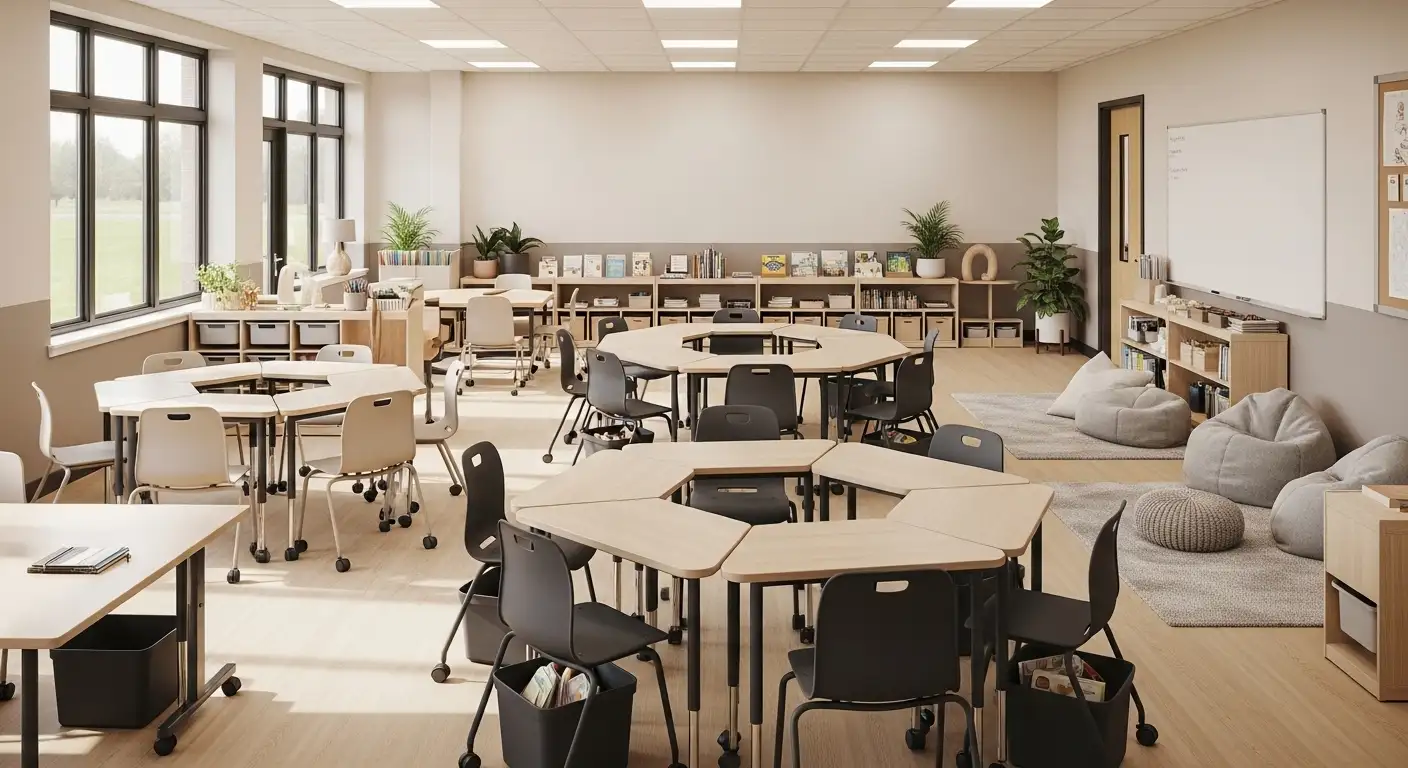
This sensory orchestration is less about limitations and more about diversity in experiential intake. It calls for thoughtful design in living spaces, adaptive clothing choices, and mindful activity scheduling—all tailored toward harmony between external stimuli and internal processing.

The Gift of Focus: Depth Over Breadth
With autism often comes the ability to deeply focus—a trait that challenges the conventional emphasis on multitasking and rapid information processing prevalent in modern society. This concentrated attention enables mastery and intricate understanding of specific interests or activities.
Witnessing such intense focus has reshaped my appreciation for perseverance and specialization. It highlights the value of slow, deliberate exploration and the beauty embedded in patient dedication. This insight urges a reconsideration of educational and social structures to accommodate and nurture such profound engagement rather than suppress it.
Emotional Landscape: Redefining Expression and Connection
Emotions are not always readily visible or expressed in expected ways, and this can lead to misinterpretation. Nonetheless, the emotional richness of an autistic child is undeniable. Learning to recognize alternative manifestations of joy, frustration, affection, and anxiety demands keen observation and genuine respect.
This journey dismantles stereotypical views of emotion as always overt or dramatic. Instead, it embraces subtlety, quiet resilience, and authenticity. The process of decoding emotions strengthens bonds and enhances communication strategies, allowing love and understanding to thrive beyond verbal articulation.

Redefining Success: Small Victories and New Metrics
Standardized definitions of achievement often falter in their relevance when applied to an autistic child’s journey. Success needs reimagining—not as conformity to societal norms but as personal growth, resilience, and happiness. Celebrating small victories, whether a social interaction, a new skill, or an independent decision, cultivates encouragement and empowerment.
This transformation promotes a more inclusive vision of potential, acknowledging diverse pathways to fulfillment and contribution. It urges patience from society and a broadening of horizons in educational and professional arenas.
Conclusion: A Continual Revelation
Learning to see the world through my autistic child’s eyes has been an unending revelation. It is a profound lesson in humility, adaptation, and unconditional love. Each day presents new insights, challenges preconceived notions, and enriches my understanding of human complexity.
Ultimately, this perspective invites everyone to embrace diversity—not simply tolerate difference—thus weaving a more compassionate, vibrant tapestry of human connection. To truly see differently is to appreciate the infinite ways existence can be experienced, valued, and celebrated.