Autism and retirement may seem like distant concepts, yet they intersect in ways that demand thoughtful preparation. As individuals on the autism spectrum approach later life, the need for long-term care planning becomes increasingly urgent. This isn’t merely about financial security—it’s about ensuring dignity, autonomy, and quality of life in environments tailored to unique needs. The journey toward retirement for autistic adults is often fraught with systemic gaps, societal misconceptions, and a lack of specialized resources. Yet, within these challenges lies an opportunity to redefine what aging looks like for neurodivergent individuals, one that prioritizes individualized support over institutionalized care.
For many autistic adults, retirement isn’t a distant milestone but a reality shaped by decades of navigating a world that wasn’t designed for them. The transition from structured employment or daily routines to unstructured retirement can be disorienting, particularly when sensory sensitivities, communication differences, and social expectations remain unaddressed. Without deliberate planning, the golden years may instead become a period of isolation, financial strain, or inadequate care. The key to avoiding this lies in proactive long-term care planning—one that accounts for medical, emotional, and logistical needs long before they become crises.
The Unique Challenges of Aging with Autism
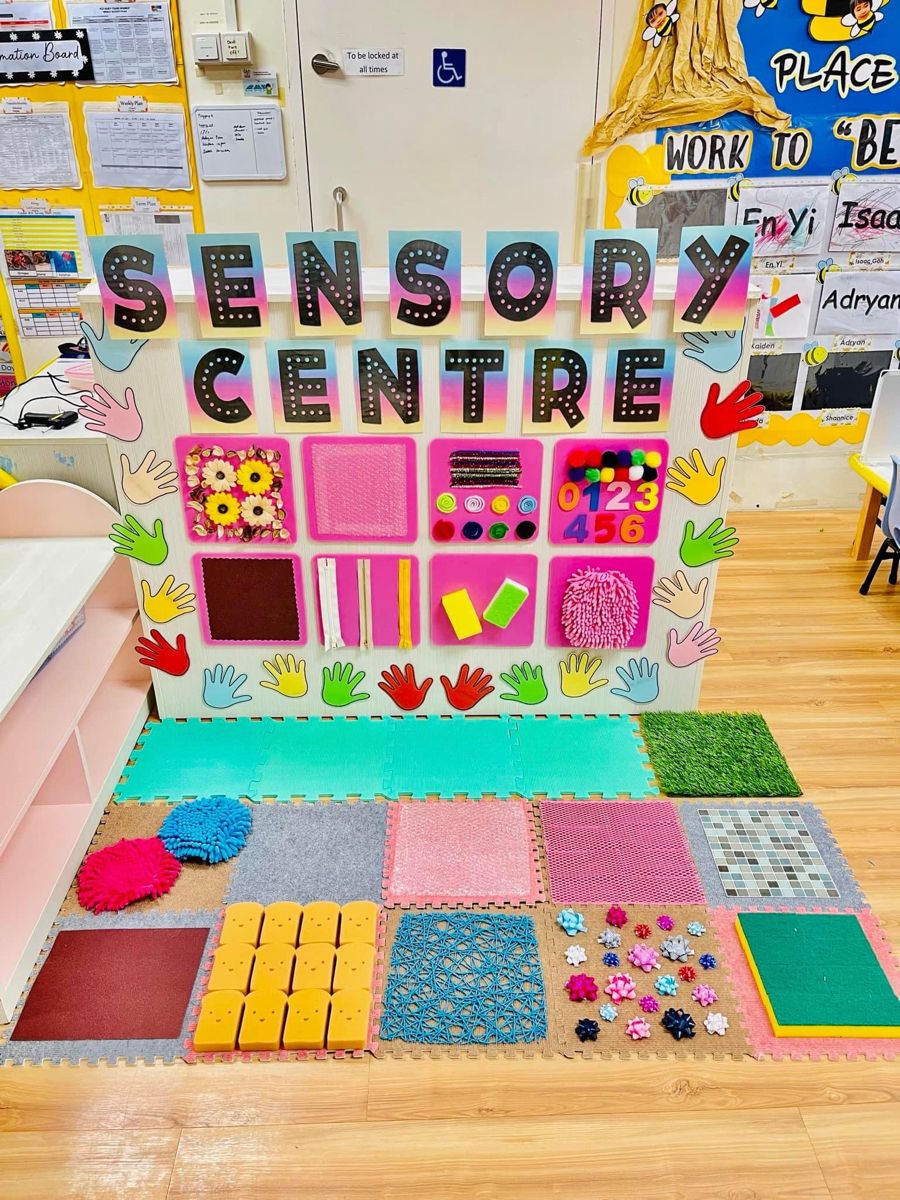
Autism is not a monolith, and its manifestations evolve over a lifetime. What begins as a childhood diagnosis often transforms into a complex interplay of strengths and vulnerabilities in adulthood. Sensory processing differences, which may have been manageable in structured environments, can intensify with age, making certain living spaces unbearable. The cacophony of a bustling retirement community, the fluorescent lighting of a nursing home, or even the texture of institutional bedding may trigger distress that was previously overlooked.
Moreover, autistic adults frequently face higher rates of co-occurring conditions such as epilepsy, gastrointestinal disorders, and mental health challenges like anxiety and depression. These comorbidities complicate retirement planning, as they require specialized medical attention that standard long-term care facilities may not provide. The absence of trained staff who understand neurodivergent communication styles—whether verbal, nonverbal, or reliant on assistive technologies—can lead to misdiagnoses, inappropriate interventions, or outright neglect. The result is a paradox: a population that has spent decades advocating for inclusion now faces the prospect of exclusion in their most vulnerable years.
Financial preparedness adds another layer of complexity. Many autistic adults rely on government benefits like Supplemental Security Income (SSI) or Medicaid, which come with strict asset and income limits. Saving for retirement without jeopardizing eligibility requires strategic planning, often involving special needs trusts or pooled trusts. Yet, even those with financial resources may struggle to find caregivers or housing options that align with their needs. The market for neurodivergent-friendly retirement communities remains sparse, leaving families to cobble together solutions that are as unique as the individuals they serve.
Designing Neurodivergent-Friendly Retirement Spaces
The ideal long-term care environment for an autistic adult is one that balances safety with self-determination. This means moving beyond the one-size-fits-all model of traditional retirement homes and toward customizable, sensory-conscious living arrangements. Picture a residence where walls are painted in muted, non-reflective tones to minimize visual overload. Where lighting is adjustable, dimmable, or even circadian-rhythm synchronized to mimic natural daylight. Where soundproofing reduces auditory distractions, and communal areas offer quiet zones for retreat.
Architectural design plays a pivotal role in mitigating sensory challenges. Open floor plans with clear, uncluttered pathways can prevent the disorientation that often accompanies spatial confusion. Private, customizable bedrooms allow individuals to personalize their space with familiar textures, colors, or even virtual reality setups that provide comfort. Outdoor areas should incorporate nature-inspired elements—soft greenery, water features, or enclosed gardens—to offer therapeutic benefits without overwhelming stimulation. The goal is not to create a sterile, clinical environment but a home that feels like a sanctuary.
Staff training is equally critical. Caregivers must be versed in neurodivergent communication, recognizing that a lack of eye contact or delayed responses does not equate to a lack of understanding. They should be trained to interpret unconventional cues, whether it’s a specific hand gesture, a change in vocal tone, or a pattern of repetitive movements that signals distress. Additionally, these professionals should understand the importance of routine and predictability, as disruptions can trigger meltdowns or shutdowns. Flexibility in care plans—allowing for individual preferences in meal times, social interactions, and daily activities—can make the difference between a thriving retirement and one marked by chronic stress.
The Role of Technology in Long-Term Autism Care
Advancements in assistive technology are revolutionizing long-term care for autistic adults, offering solutions that enhance independence and reduce reliance on human caregivers. Wearable devices, for instance, can monitor vital signs, detect seizures, or alert caregivers to signs of anxiety through biometric data. Smart home systems allow individuals to control their environment with voice commands or touchless interfaces, minimizing the need for physical interaction with potentially overwhelming stimuli. Apps designed for nonverbal communication can bridge gaps between residents and staff, ensuring that needs are met even when traditional speech is not an option.
Virtual reality (VR) is another frontier with transformative potential. For autistic adults who struggle with social interactions, VR can provide a low-pressure environment to practice communication skills, navigate public spaces, or even explore new hobbies. Telehealth platforms enable remote consultations with specialists, reducing the logistical burdens of in-person visits. Meanwhile, AI-driven tools can analyze behavioral patterns over time, helping caregivers anticipate needs before they escalate into crises. The integration of these technologies doesn’t just streamline care—it empowers autistic individuals to retain agency over their lives, even as their support needs evolve.
Yet, technology is not a panacea. Accessibility remains a barrier for many, particularly those in lower-income brackets or rural areas where high-speed internet and cutting-edge devices are out of reach. There’s also the risk of over-reliance on automation, which can strip away the human touch that is so vital for emotional well-being. The challenge lies in striking a balance—leveraging innovation where it enhances quality of life without losing sight of the fundamental need for connection and compassion.
Navigating Legal and Financial Complexities
Long-term care planning for autistic adults is as much a legal and financial endeavor as it is a personal one. The maze of government benefits, trusts, and insurance policies can be daunting, but it’s a maze that must be navigated with precision. Special needs trusts, for example, allow families to set aside funds for an individual’s care without disqualifying them from means-tested benefits like Medicaid. These trusts can be structured to cover a wide range of expenses, from adaptive equipment to specialized therapies, ensuring that resources are used efficiently and ethically.
Guardianship and power of attorney are other critical considerations. For autistic adults who may struggle with decision-making, legal frameworks must be established to protect their rights while ensuring their needs are met. Supported decision-making agreements, which involve a network of trusted individuals who assist in making choices, offer an alternative to full guardianship. These agreements respect autonomy while providing the scaffolding needed to navigate complex systems. It’s a delicate balance—one that requires collaboration between legal professionals, family members, and the individual in question.
Insurance is another layer of complexity. Many long-term care policies exclude coverage for neurodivergent conditions, leaving families to foot the bill for specialized services. Advocacy efforts are underway to push insurers toward more inclusive policies, but in the meantime, families must explore hybrid solutions. This might include combining private insurance with Medicaid waivers, tapping into community-based programs, or even crowdfunding for essential resources. The financial burden is real, but with strategic planning, it’s possible to mitigate its impact.
The Importance of Community and Advocacy
No amount of planning can replace the power of community. For autistic adults, social connections—whether with peers, family, or advocates—can be a lifeline in retirement. Peer support groups tailored to neurodivergent individuals provide a space to share experiences, exchange coping strategies, and combat isolation. These groups can be virtual or in-person, but their value lies in the shared understanding that comes from living with similar challenges.
Advocacy organizations play a crucial role in bridging gaps between autistic adults and the resources they need. Groups like the Autistic Self Advocacy Network (ASAN) and the Arc advocate for policy changes that prioritize neurodivergent-friendly long-term care options. They push for legislation that mandates sensory-friendly design in residential facilities, funds research into aging with autism, and ensures that caregivers receive proper training. By amplifying the voices of autistic adults, these organizations challenge the narrative that neurodivergence is a burden to be managed rather than a diversity to be accommodated.
Families, too, must become advocates—not just for their loved ones but for systemic change. This might involve lobbying local governments for affordable housing initiatives, partnering with architects to design inclusive living spaces, or volunteering to train caregivers in neurodivergent-specific care. The work is ongoing, but it’s work that can transform not just individual lives but entire communities. After all, a society that plans thoughtfully for its neurodivergent members is a society that plans thoughtfully for all its members.
Retirement for autistic adults is not a destination but a journey—one that requires foresight, flexibility, and an unwavering commitment to dignity. The challenges are real, but so are the opportunities to create a future where aging is not a source of anxiety but a chapter of fulfillment. By addressing sensory needs, leveraging technology, navigating legal complexities, and fostering community, we can redefine long-term care as a pathway to thriving, not just surviving. The goal is not to force autistic adults into preconceived notions of retirement but to craft a model that honors their uniqueness at every stage of life.